Luxury Goods and the Power of Branding
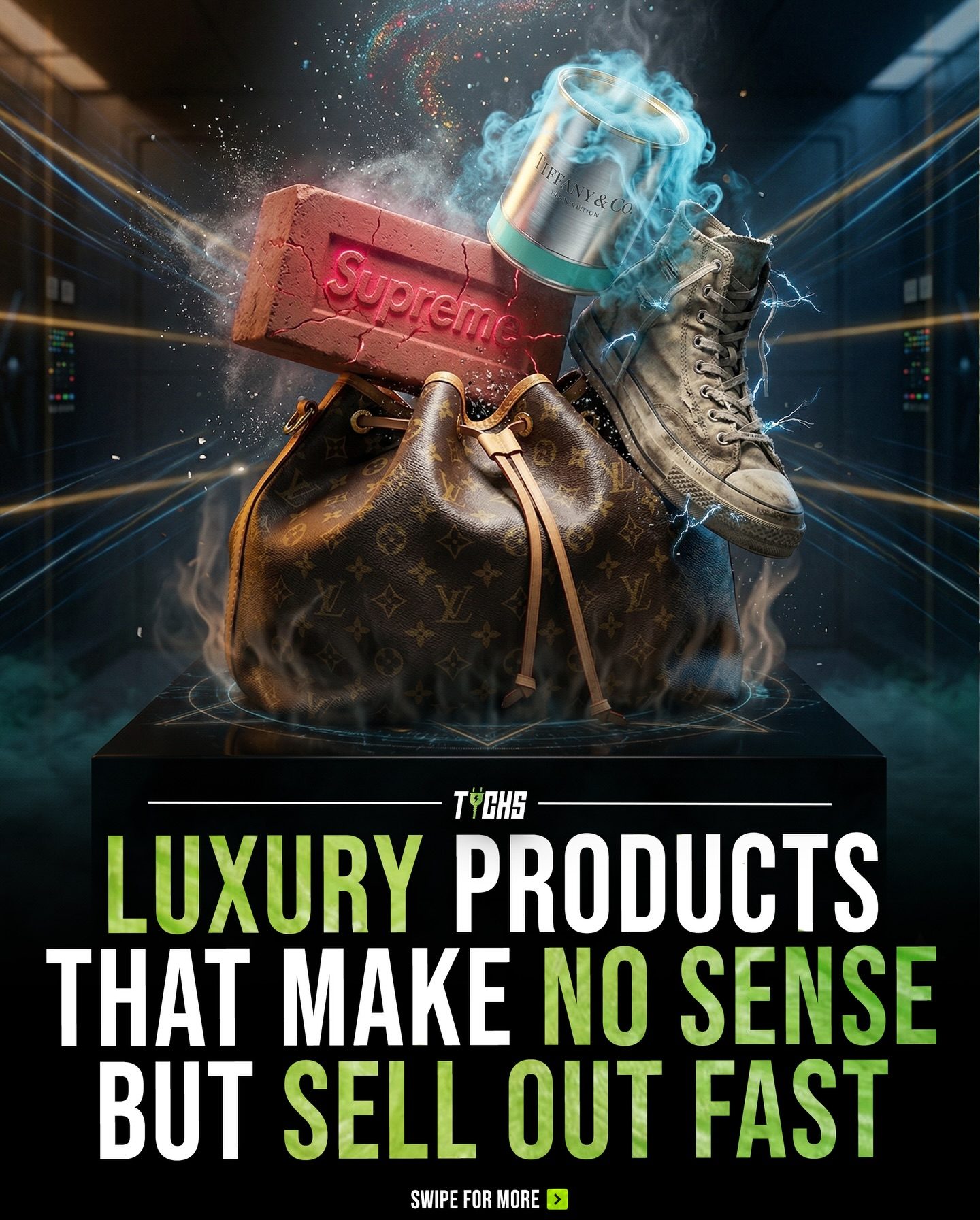
In the world of high-end products, ordinary objects can become extraordinarily valuable simply due to branding and perception. This phenomenon is evident in various luxury items, such as a Supreme brick, a Prada paperclip, and a Tiffany & Co. tin can, which are priced at hundreds or even thousands of dollars. These items highlight how branding and hype can transform everyday objects into coveted luxury goods, often regardless of their practical utility.
Why This Matters
The concept of luxury goods is deeply rooted in the idea of exclusivity and storytelling. Brands leverage these elements to create a sense of value that extends far beyond the actual cost of production. This is particularly evident in products that defy conventional logic but still command high prices. Understanding this dynamic can provide insights into consumer behavior and the mechanisms that drive high-end markets.
The Power of Branding and Hype
The Supreme Brick
One of the most striking examples of this phenomenon is the Supreme brick. This ordinary construction material, priced at $30, demonstrates how hype culture can elevate even the simplest items to premium status. The Supreme brand, known for its streetwear and skateboarding culture, has created a sense of exclusivity around its products. This exclusivity, combined with the brand's strong cultural influence, makes the Supreme brick a sought-after item, despite its mundane nature.
The Prada Paperclip
Another fascinating example is the Prada paperclip, priced at $185. This minimal object, typically used for organizing papers, becomes a luxury item simply by bearing the Prada logo. The high price tag reflects the brand's reputation and the perceived value associated with owning a Prada product. This example underscores how branding can transform even the most basic items into luxury goods, solely based on consumer perceptions and the brand's identity.
Tiffany & Co.'s Tin Can
The Tiffany & Co. tin can, priced at $1,000, is another example of how branding can drive value. This item, which is essentially a container, becomes a luxury good due to its association with the prestigious Tiffany & Co. brand. The brand's reputation for luxury and its strong emotional appeal make the tin can a desirable item, despite its simple function.
Other Luxury Items
The list of seemingly absurd luxury items extends beyond these examples. Brands like Chanel and Balenciaga have also ventured into unusual product offerings. For instance, Chanel sold a boomerang for $1,325, while Balenciaga released heavily destroyed shoes for $1,790. Even items like Louis Vuitton garbage bags, which are essentially disposable, are sold at extreme prices. These examples further illustrate how luxury is often about storytelling, exclusivity, and brand identity rather than actual utility.
Insights from Luxury and Consumer Behavior
The intersection of luxury brands and hype culture reveals important insights into consumer behavior. Brands create a sense of exclusivity and desirability through limited releases, high price points, and strategic marketing. This approach capitalizes on the psychological appeal of owning a unique, high-end product. Consumers are willing to pay premium prices for these items because they perceive them as status symbols and luxury goods.
Practical Tips for Understanding Luxury Goods
Recognize the Power of Branding
Understanding the value of luxury goods involves recognizing the power of branding. Brands create a sense of exclusivity and desirability through their marketing and product design. This perception of value can significantly influence the price and demand for luxury items.
Look Beyond Utility
When evaluating luxury goods, it's important to look beyond their practical utility. Luxury items often derive their value from brand identity, exclusivity, and storytelling. These factors can make an ordinary object command high prices.
Understand Consumer Behavior
Consumers’ willingness to pay high prices for seemingly mundane items reflects their desire for exclusivity and status. Understanding this behavior can provide insights into the dynamics of high-end markets and the factors that drive consumer demand.
Explore the Role of Hype
Hype culture plays a significant role in the perceived value of luxury goods. Brands leverage hype to create a sense of urgency and exclusivity, making their products more desirable. Recognizing the impact of hype can help in understanding why certain items command such high prices.
Important Takeaways
Branding and Perception Drive Value
Branding and perception are crucial factors in determining the value of luxury goods. Brands create a sense of exclusivity and desirability, making even ordinary objects command high prices.
Hype and Exclusivity
Hype and exclusivity are key drivers in the luxury market. Brands leverage these elements to create a sense of urgency and desirability, making their products more valuable.
Perceived Value Over Utility
Luxury goods often derive their value from perceived worth rather than actual utility. Brands use storytelling, exclusivity, and high price points to create a sense of value that extends far beyond the item's functional use.
Psychological Appeal
The psychological appeal of owning a unique, high-end product is a significant factor in consumer behavior. Brands capitalize on this appeal to create a sense of exclusivity and desirability.
Conclusion
The world of luxury goods is a fascinating realm where branding and perception can transform ordinary objects into highly coveted items. Understanding the dynamics of this market requires recognizing the power of branding, looking beyond utility, and appreciating the role of hype and exclusivity. By exploring these elements, one can gain valuable insights into consumer behavior and the factors that drive high-end markets. Whether it's a Supreme brick, a Prada paperclip, or a Tiffany & Co. tin can, these items underscore the profound impact of branding on perceived value and consumer demand.
Questions readers ask
How does branding transform ordinary items into luxury products?
Branding uses exclusivity and storytelling to create a perception of value. This transforms ordinary objects, like a Supreme brick or Prada paperclip, into high-priced luxury items. Brands achieve this by crafting a narrative that makes these items highly desirable, even if their practical use is limited.
What makes luxury goods like the Supreme brick and Prada paperclip so valuable?
These items are valuable due to the brand's influence and the hype surrounding them. Their worth is not determined by their utility, but by the exclusivity and status associated with owning a piece from a prestigious brand. The perceived value is what drives up the price, making them luxury must-haves.
How do luxury brands create a sense of exclusivity?
Luxury brands create exclusivity through limited production, high price points, and selective distribution. This makes their items difficult to obtain, enhancing their allure and desirability. Exclusivity is a key aspect of luxury branding, as it elevates the perceived value of the products.
What role does storytelling play in luxury branding?
Storytelling in luxury branding involves creating a compelling narrative around the product and the brand. This narrative often includes elements of heritage, craftsmanship, and lifestyle, which elevate the product beyond its functional use. Effective storytelling makes consumers feel connected to the brand and its values.
Why are luxury brands able to charge so much for seemingly ordinary items?
Luxury brands can charge high prices for ordinary items because they have established a strong brand identity and perceived value. Consumers are often willing to pay a premium for items that signify status, exclusivity, and association with a prestigious brand, regardless of the item's inherent utility.
What is the significance of the Supreme brick and Prada paperclip in luxury branding?
These items are iconic examples of how branding can turn ordinary objects into highly coveted luxury goods. The Supreme brick and Prada paperclip, despite their mundane nature, are sold at exorbitant prices due to the brand's influence and the perceived value that consumers place on them. These items illustrate the power of branding in luxury culture.
How does luxury branding impact consumer perception of value?
Luxury branding significantly influences consumer perception of value by associating products with prestige, exclusivity, and a particular lifestyle. Through consistent messaging and high-quality branding, consumers come to view these items as more valuable, often disregarding their functional aspects. This perception drives demand and justifies the high prices.
Recent articles
Fresh deep dives from the latest Reels we unpacked.




Comments
Be the first to comment.