Immigration and Birth Tourism
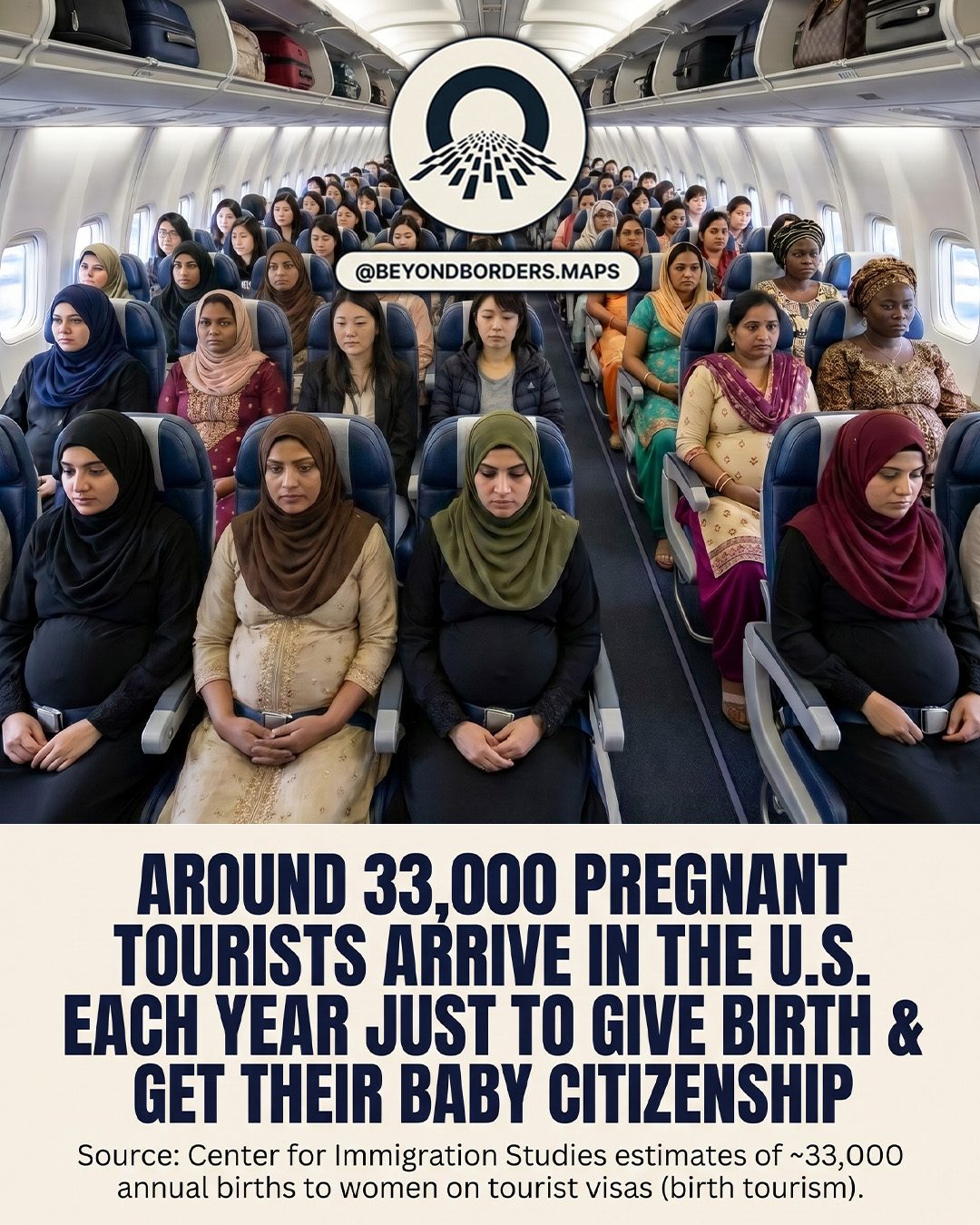
Approximately 33,000 pregnant visitors travel to the U.S. each year with the primary goal of giving birth to children who will automatically receive U.S. citizenship. This practice, known as "birth tourism," is a complex and often debated issue. The primary goal of birth tourism is to secure citizenship for children born in the U.S. to non-citizen parents.
Birth tourism involves women traveling to the U.S. on tourist visas specifically to give birth. Once the child is born on U.S. soil, they are granted automatic citizenship under the 14th Amendment, which states that anyone born in the U.S. is a citizen. This phenomenon has sparked numerous discussions and debates around immigration policy, citizenship, and the potential impacts on healthcare and social services for the United States.
Context / Why This Matters
Understanding birth tourism requires a look into broader immigration trends and policies. The U.S. has long been a popular destination for birth tourism due to its strong economy, high-quality healthcare, and perceived opportunities for the future. Beyond the immediate impact on the healthcare system, birth tourism also raises questions about the fairness of granting citizenship based on place of birth, particularly in an era of heightened border security and immigration debates.
Main Discussion
The Scope of Birth Tourism
The U.S. sees an estimated 33,000 births annually to women on tourist visas, according to the Center for Immigration Studies. This number underscores the scale of the issue and highlights the need for a comprehensive understanding of the motivations and implications of birth tourism. The actual figure might vary, but the estimate provides a significant starting point for discussions and potential policy reforms.
Motivations and Challenges
Women often engage in birth tourism due to a combination of factors, including the desire for their children to have U.S. citizenship, which can open doors to educational and economic opportunities. However, this practice also poses challenges for both the individuals involved and the U.S. healthcare system. There are ethical considerations, such as the health risks and costs associated with travel during pregnancy, as well as the potential strain on medical facilities and resources.
Motivations
The primary motivation for birth tourism is the automatic citizenship granted to children born in the U.S. This citizenship can offer significant advantages, including access to higher education, employment opportunities, and a pathway to legal residency or citizenship for the parents. For families from countries with limited opportunities, the allure of a U.S. birthright is substantial.
Challenges
However, birth tourism is not without its challenges. Women traveling to the U.S. for this purpose often face significant health risks, both during travel and childbirth. The logistics and costs associated with travel and hospital stays can be substantial, and there are legal and ethical considerations. Additionally, hospitals in the U.S. may face a financial burden due to the uncompensated care they provide to these patients, which can ultimately impact the availability and quality of resources for all patients.
Policy and Healthcare Implications
Understanding birth tourism means examining the broader implications on the U.S. healthcare system. Birth tourism can lead to increased demand for maternity and neonatal healthcare services, which can put a strain on hospitals and medical professionals. These costs can impact the overall quality and accessibility of healthcare in the U.S.
Birth tourism raises critical policy questions around immigration, the definition of citizenship, and the role of healthcare in a connected world. Policymakers must navigate the complexities of immigration laws and healthcare regulations to address the challenges and opportunities presented by birth tourism. This could involve reforms aimed at better managing tourist visas, improving healthcare access, and promoting ethical practices in the tourism industry.
Public Opinion and Reactions
Responses to birth tourism vary widely among the public, reflecting the multifaceted nature of the issue. Some view it as an ethically questionable practice that exploits loopholes in immigration and healthcare systems. Others see it as a manifestation of global economic inequality and the pursuit of opportunities for future generations. This diversity of opinions highlights the need for nuanced discussions and informed policy decisions.
Practical Tips
As a traveler or healthcare provider, being aware of the implications and regulations surrounding birth tourism can be beneficial. Here are some practical tips to consider:
For Travelers
- Understand Visa Regulations: Before planning a trip to the U.S. for birth tourism, ensure you are aware of the legal and regulatory framework. Understand the restrictions and requirements of a tourist visa and the potential legal consequences of using a visa for birth tourism purposes.
- Health Considerations: Consult a healthcare professional to assess the risks and challenges associated with pregnancy-related travel. Ensure you have access to comprehensive prenatal and postnatal care, both in your home country and in the U.S.
- Cost Considerations: Be aware of the financial implications, including travel costs, medical expenses, and potential legal fees. Plan accordingly to ensure you are prepared for all eventualities.
For Healthcare Providers
- Know Your Role: Understand the legal and ethical responsibilities of providing care to individuals participating in birth tourism. Be aware of the potential financial and logistical challenges associated with caring for these patients.
- Advocate for Policy Changes: Healthcare providers play a crucial role in shaping policy. Advocate for reforms aimed at providing equitable and accessible healthcare, addressing the financial burden on hospitals, and improving the overall quality of care for all patients.
Important Takeaways
Birth tourism is a multifaceted issue with significant implications for immigration policy, healthcare, and public opinion. Key takeaways include:
- Understanding the Scope: Approximately 33,000 pregnant women come to the U.S. each year for birth tourism, highlighting the scale and significance of the issue.
- Ethical and Policy Considerations: The practice raises important ethical and policy questions, including the fairness of granting citizenship based on place of birth and the potential strain on healthcare resources.
- Public Opinion: Responses to birth tourism vary widely, reflecting the complexity and sensitivity of the issue.
Conclusion
Birth tourism in the U.S. is a multifaceted issue with far-reaching implications. Understanding the motivations, challenges, and implications of this practice is essential to shaping informed policies and practices. Whether as a traveler, healthcare provider, or policymaker, being aware of the complexities of birth tourism can help address its challenges and promote ethical and responsible practices. For those involved in birth tourism, understanding the legal, ethical, and financial considerations is crucial. For policymakers and healthcare providers, advocating for equitable and responsible reforms can help address the broader implications and ensure better outcomes for all.
Questions readers ask
What is birth tourism and why do people engage in it?
Birth tourism refers to the practice of traveling to the U.S. specifically to give birth, enabling the child to automatically receive U.S. citizenship. People engage in this practice primarily to secure future opportunities and benefits that come with U.S. citizenship for their children, such as access to higher education and job prospects.
How many pregnant visitors arrive in the U.S. for birth tourism annually?
Approximately 33,000 pregnant visitors arrive in the U.S. each year for the purpose of birth tourism. This significant number contributes to the broader debates around immigration policy and border security.
What visa do pregnant tourists typically use for birth tourism?
Pregnant tourists typically use tourist visas, such as the B-2 visa, for birth tourism. These visas are intended for temporary visits for pleasure or medical treatment, but they are sometimes used by individuals planning to give birth in the U.S.
What are the primary challenges associated with birth tourism?
Birth tourism presents several challenges, including strain on healthcare resources, potential misuse of social services, and debates around immigration policy and border security. Additionally, it raises questions about the interpretation and application of the 14th Amendment's citizenship clause.
How does birth tourism impact U.S. healthcare and social services?
Birth tourism can place a significant burden on U.S. healthcare systems, as hospitals and medical facilities must accommodate the needs of these temporary visitors. Additionally, there may be increased demand for social services, though the long-term impacts are still under investigation.
Can children born to non-citizen parents in the U.S. receive automatic citizenship?
Yes, children born to non-citizen parents in the U.S. automatically receive U.S. citizenship under the 14th Amendment. This amendment establishes that anyone born in the U.S. is a U.S. citizen, regardless of the parents' immigration status.
What are the implications of birth tourism for U.S. immigration policy?
Birth tourism contributes to ongoing debates about U.S. immigration policy, including discussions around visa regulations, border control, and the interpretation of citizenship laws. Policymakers are continually evaluating how to address the challenges posed by this practice while balancing humanitarian considerations.
Recent articles
Fresh deep dives from the latest Reels we unpacked.




Comments
Be the first to comment.