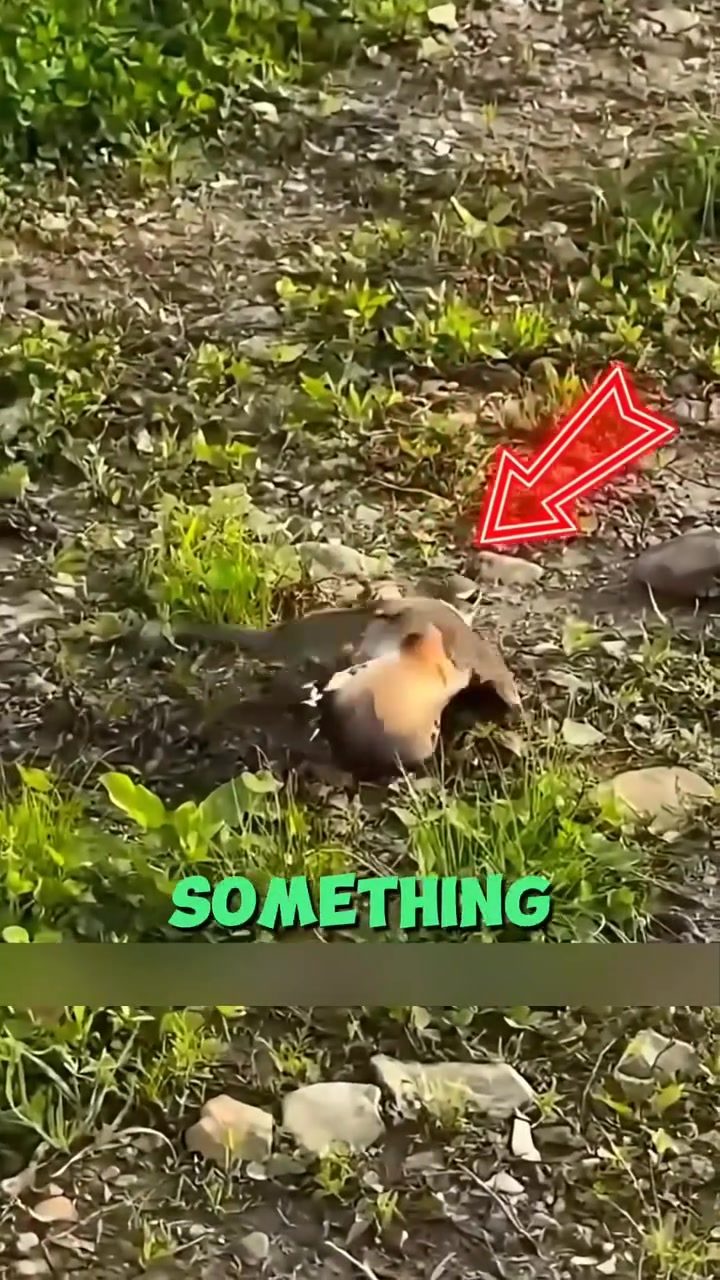
Bizarre Behavior: Birds Faking Injuries to Protect Their Young
When observing birds, it's not uncommon to witness them limping, dragging a wing, or appearing otherwise injured. Many people assume these birds are genuine victims of misfortune, but the reality is often more complex. Birds exhibiting these behaviors are typically not injured at all; they are experts at deception, using these tactics to protect their young from predators.
Why This Matters
Understanding the true nature of these behaviors can enrich our observations of birds and deepen our appreciation for the complexity of their survival strategies. This knowledge can be particularly helpful for birdwatchers, photographers, and wildlife enthusiasts. Knowing the true purpose behind these behaviors can also provide context to the scenes you see unfold in nature, allowing for a more informed appreciation of the natural world.
The Deceptive Tactics
Limping and Dragging Wings
One of the most common tactics birds use is to limp or drag a wing. This behavior is often mistaken for genuine injury, but it serves a critical purpose. When a bird, such as a killdeer or a plover, is protecting its nest, it may pretend to have a broken wing to lure potential predators away from its young. This deception is so convincing that predators, often fooled, chase the "injured" bird away from the nest.
Vocal Distress Calls
Another tactic birds use is the production of distress calls. These vocalizations are designed to mimic the sounds of a bird in genuine distress, attracting predators and drawing their attention away from the nest. Once the predator is far enough away, the bird will quickly return to its nest, leaving the predator with no immediate reward for its effort.
Acting Injured to Lure Predators
Birds that fake injuries are masters of deception. They act in such a way that predators are often drawn away from their nests, giving their young the space and time they need to survive. Once the predator is far enough away, the bird will suddenly fly off, revealing its ruse and disappearing from sight. This behavior is a testament to the ingenuity of birds in protecting their offspring.
The Incredible Squirrel Escape
While birds’ deception tactics are fascinating, squirrels too have remarkable survival strategies. The sight of a squirrel being startled and quickly running away is a common occurrence. These small, agile creatures have sharp instincts that allow them to react quickly to potential threats. Whether it's a sudden noise, a perceived threat, or an actual predator, a squirrel’s ability to react instantly and escape danger is nothing short of impressive.
Practical Tips for Observing Bird Behaviors
Birds often exhibit these deceptive behaviors, especially during breeding seasons, so it's crucial to be mindful during your observations. Here are some practical tips to help you:
Be Cautious and Quiet
Approach birds and their habitats with caution and minimal noise. Sudden movements or loud noises can startle birds and trigger their protective behaviors, which can disrupt their natural activities. You may miss out on observing natural behaviors if they are alerted to your presence.
Learn to Recognize Deceptive Tactics
Familiarize yourself with the various deceptive tactics that birds use. Recognizing these behaviors can help you avoid mistakenly interfering with a bird’s protective actions. For example, if you see a bird limping and dragging a wing, it’s likely a decoy to lure predators away from its nest. Understanding this behavior can help you appreciate the bird's strategy and avoid unnecessary interventions.
Never Intervene
Even if you suspect a bird is genuinely injured, it’s best to avoid direct intervention. Birds are experts in camouflage and deception, and what seems like an injury might be a clever ruse. Interfering can cause unnecessary stress to the bird and its young and can disrupt the natural balance of the ecosystem.
Important Takeaways
Birds and squirrels are both fascinating subjects for wildlife observation. They exhibit complex behaviors that showcase their adaptive abilities and survival instincts. Whether you are a birdwatcher, a wildlife enthusiast, or simply curious about the natural world, understanding the deceptive tactics and survival strategies of these creatures can vastly enrich your experience.
Conclusion
Birds’ deceptive behaviors, such as faking injuries to lure predators away from their nests, are a testament to nature's ingenuity. Similarly, squirrels’ quick reactions to potential threats highlight their adaptability. By understanding and appreciating these behaviors, we can gain a deeper insight into the complex world of wildlife.
Questions readers ask
Why do birds pretend to be injured?
Birds pretend to be injured as a clever strategy to protect their young. By appearing vulnerable, they attract predators away from their nests, ensuring the safety of their chicks.
What are some common signs of a bird faking an injury?
Common signs of a bird faking an injury include limping, dragging a wing, or acting lethargic. These behaviors are often exaggerated and meant to draw attention away from the nest.
How do birds benefit from this decoy behavior?
This decoy behavior benefits birds by increasing the chances of their young surviving. By leading predators away, birds can safeguard their chicks and eggs, ensuring the next generation's success.
Is it safe to approach a bird that appears injured?
It is generally not safe to approach a bird that appears injured, especially during nesting season. The bird may be using this tactic to protect its young, so it is best to observe from a distance and avoid disturbing the area.
How can birdwatchers and photographers help protect nests during this behavior?
Birdwatchers and photographers can help by maintaining a safe distance and avoiding any actions that might stress the bird. By being aware of these protective tactics, they can ensure the birds' strategies remain effective.
What should I do if I encounter a bird faking an injury?
If you encounter a bird faking an injury, the best course of action is to observe from afar and avoid any actions that might interfere with the bird's strategy. Staying quiet and still can help the bird feel less threatened and more successful in its decoy efforts.
Related deep dives
Similar reads based on topic and creator.




Recent articles
Fresh deep dives from the latest Reels we unpacked.




Comments
Be the first to comment.