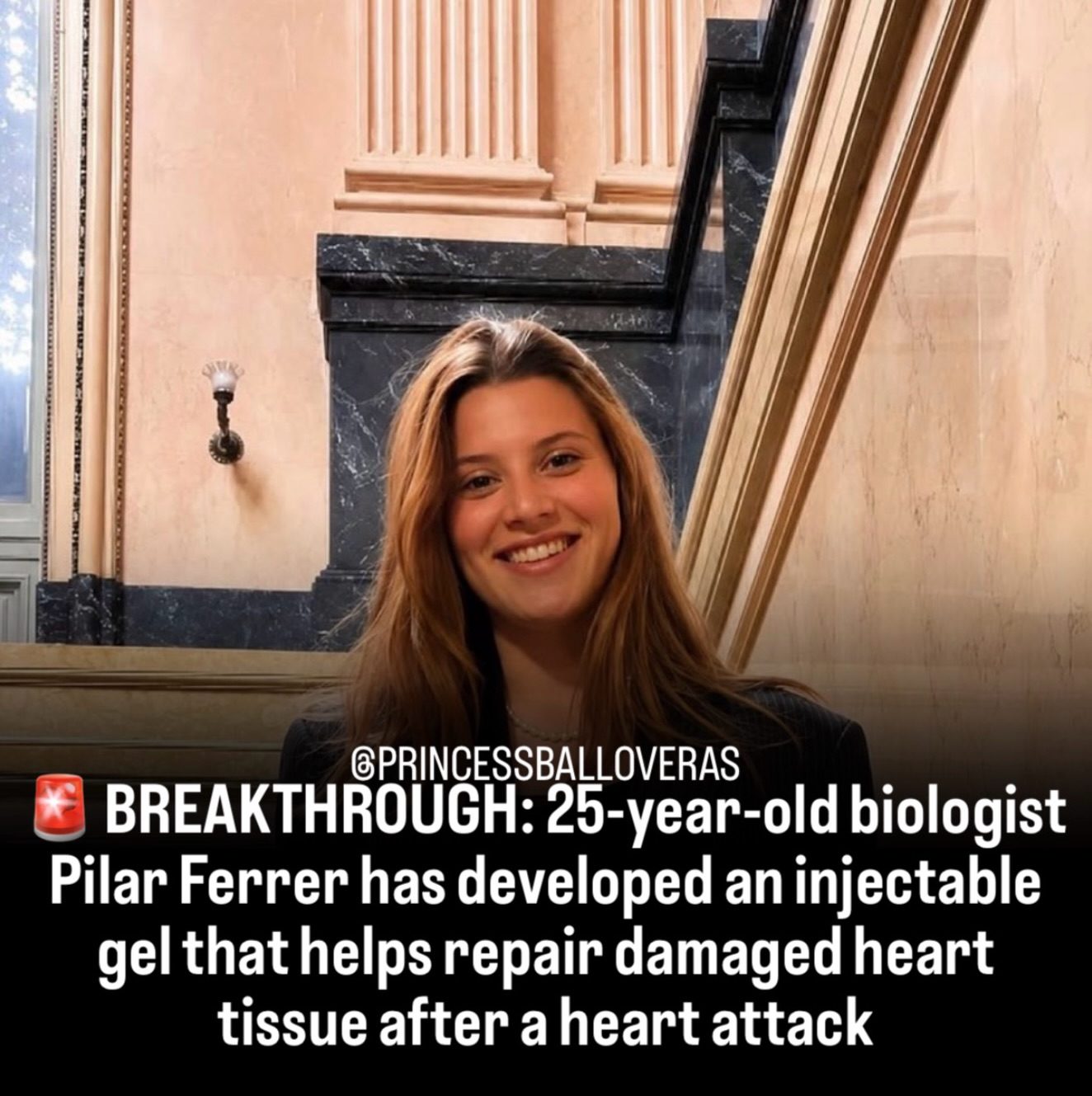
Heart Tissue Repair: A Breakthrough with Injectable Gel
Heart attacks are a leading cause of death and disability worldwide. The damage caused by a heart attack often results in lasting scar tissue, which impairs the heart’s ability to function normally. This scar tissue does not regenerate on its own, making recovery a challenging process. However, a recent breakthrough by a young biologist has sparked hope for improved outcomes in cardiac medicine.
Why This Matters
The heart is a complex organ, and any damage to it can have severe consequences. Traditional treatments for heart attacks focus on preventing further damage and managing symptoms, but they do not address the underlying issue of scar tissue. The development of an injectable gel that can help repair damaged heart tissue is a significant advancement in the field of cardiology. This innovation could potentially improve the quality of life for millions of heart attack survivors worldwide.
The Breakthrough
The Innovator
Pilar Ferrer, a 25-year-old biologist, has made a remarkable contribution to the field of cardiac medicine. Her development of an injectable gel designed to repair damaged heart tissue following a heart attack is a testament to her talent and dedication. The gel has the potential to revolutionize the way heart attacks are treated, offering a new avenue for regenerative medicine.
The Gel
The injectable gel developed by Ferrer is designed to help repair damaged heart tissue. Heart attacks often leave behind scar tissue, which can impair the heart’s ability to function normally. The gel aims to regenerate this damaged tissue, improving the heart’s overall function and potentially leading to better long-term outcomes for patients. The gel is a significant step forward in the field of cardiology, as treatments that can actively help regenerate damaged tissue are considered a major frontier in research.
The Process
The gel works by promoting the regeneration of damaged heart tissue. When injected into the affected area, the gel creates a supportive environment that encourages new tissue growth. This process helps to replace the scar tissue with healthy, functional heart tissue, improving the heart’s overall function and potentially leading to better long-term outcomes for patients.
The Impact
For Patients
For heart attack survivors, the potential benefits of this gel are immense. The ability to repair damaged heart tissue could lead to improved recovery times, reduced risk of future heart attacks, and an overall better quality of life. The gel could also reduce the need for long-term medications and invasive procedures, making it a more appealing option for patients.
For the Medical Community
The development of this gel has turned heads within the medical research community. The fact that someone so early in their scientific career is behind such a significant innovation is a source of inspiration and excitement. The gel represents a meaningful step forward in improving recovery and long-term outcomes for heart attack survivors worldwide, and if further trials confirm its effectiveness, it could become a standard treatment option in the future.
Practical Tips
Understanding Heart Health
Maintaining good heart health is crucial for preventing heart attacks and other cardiovascular diseases. Regular exercise, a healthy diet, and avoiding smoking are all important factors in keeping your heart healthy. If you have a family history of heart disease, it is especially important to be proactive about your heart health.
Recognizing the Signs of a Heart Attack
Knowing the signs of a heart attack can save your life or the life of someone else. Common symptoms include chest pain or discomfort, shortness of breath, nausea, lightheadedness, and cold sweats. If you or someone else experiences these symptoms, seek medical attention immediately.
Staying Informed
As research in the field of cardiology continues to advance, staying informed about the latest developments can help you make better decisions about your health. Keep an eye on medical journals, news articles, and other reliable sources for updates on new treatments and technologies.
Important Takeaways
The development of an injectable gel to repair damaged heart tissue is a significant breakthrough in cardiac medicine. This innovative treatment has the potential to greatly improve the lives of heart attack survivors and represents a major step forward in the field of regenerative medicine. If further trials confirm its effectiveness, it could become a standard treatment option, offering patients a new avenue for recovery and improved long-term outcomes.
Conclusion
The work of biologist Pilar Ferrer is a shining example of what can be achieved through dedication and innovation. Her development of an injectable gel to repair damaged heart tissue is a significant advancement in the field of cardiology and offers hope to millions of heart attack survivors worldwide. As research continues, it is essential to stay informed and proactive about heart health, recognizing the signs of a heart attack, and understanding the latest developments in treatment options.
Questions readers ask
How does the injectable gel developed by the biologist help repair heart tissue?
The gel is designed to target and regenerate scar tissue that forms after a heart attack. By promoting tissue regeneration, the gel aims to improve the heart's overall function and enhance long-term recovery.
What makes this injectable gel a significant breakthrough in heart attack treatment?
Unlike traditional treatments, the injectable gel focuses on repairing the underlying damage caused by heart attacks. By regenerating scarred tissue, it offers a potential solution to restore heart function, which could significantly improve patient outcomes.
Who is the biologist behind this innovative heart tissue repair solution?
The breakthrough is attributed to a young biologist named Pilar Ferrer. Her work on the injectable gel has garnered attention for its potential to revolutionize heart attack treatment.
Can the gel prevent further heart attacks?
The primary function of the gel is to repair existing damage. While it does not explicitly prevent future heart attacks, by improving heart function, it could indirectly contribute to better overall heart health and potentially reduce the risk of subsequent attacks.
How does the gel improve heart function after a heart attack?
The gel works by regenerating the scar tissue that forms after a heart attack, which impairs the heart's ability to pump blood effectively. By promoting tissue regeneration, the gel helps to restore normal heart function, leading to better performance and improved long-term outcomes.
What are the potential benefits of using this gel for heart attack patients?
Patients may experience improved heart function, enhanced recovery, and better long-term outcomes. By addressing the underlying issue of scar tissue, the gel has the potential to reduce the long-term effects of heart attacks, leading to a better quality of life for survivors.
Is the gel a standalone treatment or part of a broader therapeutic approach?
While the gel is an innovative standalone treatment, it can also be part of a broader therapeutic approach. It complements traditional treatments by focusing on repairing the damage from heart attacks, offering a holistic approach to heart attack recovery and management.
Recent articles
Fresh deep dives from the latest Reels we unpacked.




Comments
Be the first to comment.