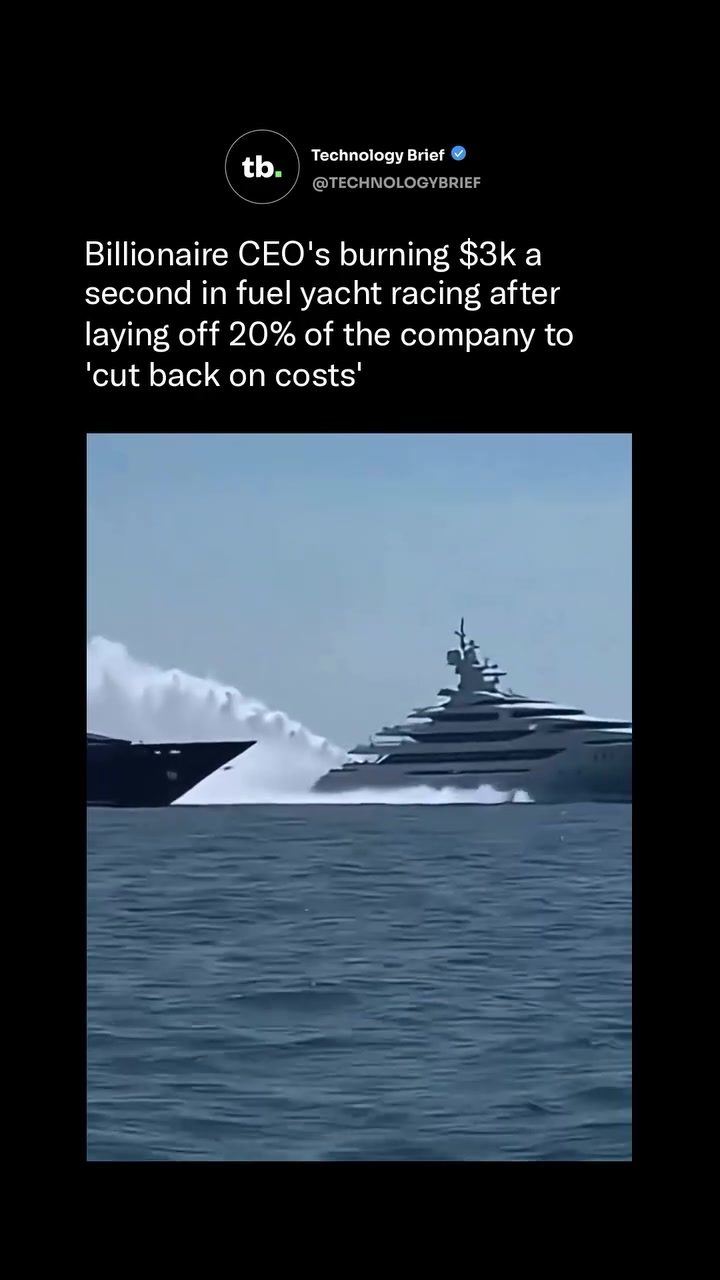
Superyacht Racing: Power, Speed, and Costs
When two superyachts race each other at full speed, the wake they leave behind can be so powerful that it can completely swamp a smaller nearby boat. These floating giants, weighing several thousand tons, can reach speeds above 30 knots. Their enormous size and speed create a wake that displaces an immense amount of water. Racing has become a global phenomenon, with major events like the Superyacht Challenge Antigua and the Giorgio Armani Superyacht Regatta showcasing the world's most expensive and luxurious vessels. The biggest yachts in the world can stretch over 100 meters in length and cost hundreds of millions of dollars to build, with annual running costs that can exceed $20 million. For those anchored close by or passing in a smaller vessel, the wake from these racing giants is less like a wave and more like a wall of water. The fuel burn alone at such racing speeds is staggering. Large superyachts can consume thousands of liters of diesel per hour under full throttle.
Why This Matters
The contrast between the extravagant spending on superyacht racing and the stark reality of corporate cost-cutting measures, such as layoffs, highlights a broader issue of wealth disparity and corporate decision-making. While billionaire CEOs indulge in high-speed racing, their companies often face significant financial pressures that lead to job cuts. These two realities collide in a way that raises questions about corporate responsibility and the distribution of wealth, especially within large organizations.
The World of Superyacht Racing
The Allure of Superyacht Racing
Superyacht racing is not just about speed and competition; it's also about luxury, exclusivity, and the thrill of owning one of the world's most magnificent vessels. These yachts are not just transportation; they are floating palaces, equipped with high-end amenities, top-notch technology, and crew members dedicated to ensuring a first-class experience.
The Economics of Superyacht Racing
The economics of superyacht racing are as impressive as the yachts themselves. The cost of building a superyacht can range from tens to hundreds of millions of dollars. Annual running costs, which include maintenance, crew salaries, and fuel, can exceed $20 million. This means that even at a standstill, these vessels are a significant financial investment.
The Environmental Cost
Superyachts, due to their size and power, have a considerable environmental footprint. Racing speeds result in vast amounts of fuel consumption, contributing significantly to carbon emissions. The environmental cost of these luxurious pursuits is often overshadowed by the glamor and excitement, but it's an aspect that the superyacht community is increasingly being called to address.
Practical Tips
For Superyacht Owners
If you own a superyacht and are considering racing, it's crucial to be mindful of the environmental impact. Explore eco-friendly fuel options and sustainable practices to mitigate the environmental cost. Furthermore, consider the safety of other vessels by choosing race locations carefully and informing nearby boats of your intentions.
For Companies
For companies, especially those led by billionaire CEOs, it's essential to balance extravagant spending with corporate responsibility. Consider the impact of layoffs and cost-cutting measures on employees and the broader community. Transparent communication and a commitment to social responsibility can help maintain trust and goodwill.
For Spectators
For those interested in superyacht racing, it's a thrilling spectacle that offers a glimpse into a world of luxury and speed. However, it's important to respect the environment and the safety of others. Watch from a safe distance, and be mindful of the wake generated by these massive vessels.
Important Takeaways
-
Superyacht Racing: It involves luxury, speed, and immense costs. The wake from racing yachts can be dangerous for smaller vessels nearby. Events like the Superyacht Challenge Antigua and the Giorgio Armani Superyacht Regatta are major events in this global circuit.
-
Economic Impact: The costs associated with superyacht racing are staggering, from building to maintenance and fuel consumption. Annual running costs can exceed $20 million, making it a significant financial investment.
-
Environmental Impact: Superyachts consume vast amounts of fuel, contributing to carbon emissions. The environmental cost of these luxurious pursuits is often overlooked but is an important consideration for the industry.
-
Corporate Responsibility: The contrast between extravagant spending on superyacht racing and corporate cost-cutting measures raises questions about wealth disparity and corporate decision-making. Companies must balance extravagant spending with social responsibility.
-
Safety: For anyone anchored nearby or passing in a smaller vessel, the wake from two racing superyachts can be dangerous. It's important to respect the safety of others and the environment.
Conclusion
Superyacht racing is a thrilling and luxurious world, but it comes with significant costs and challenges. From the immense financial investment to the environmental impact, these floating palaces represent an exclusive and high-stakes hobby. For companies, it's crucial to balance extravagant spending with corporate responsibility, especially in times of financial pressure. For spectators, it's a captivating spectacle but one that requires mindfulness of safety and environmental concerns. As the world of superyacht racing continues to evolve, these considerations will play an increasingly important role in shaping its future.
Questions readers ask
How much fuel does a superyacht consume during a race?
Superyachts can consume vast amounts of fuel during a race, with costs exceeding $3,000 per second. This translates to millions of dollars spent on fuel for a single event, making fuel consumption a significant factor in the overall expenses of superyacht racing.
What are some of the major events in the superyacht racing circuit?
The superyacht racing circuit includes prestigious events such as the Superyacht Challenge Antigua and the Giorgio Armani Superyacht Regatta. These events attract the world's most luxurious and expensive vessels, showcasing both the grandeur and the competitive spirit of superyacht owners.
What are the annual running costs of a superyacht?
Annual expenses for maintaining a superyacht can exceed $20 million. This includes not just fuel but also crew salaries, dockage fees, insurance, and maintenance, making the costs of operating a superyacht astronomical.
How fast can superyachts go during a race?
Superyachts can reach speeds above 30 knots during a race. These speeds, combined with their enormous size, contribute to the significant fuel consumption and the powerful wakes these vessels create.
What are the risks associated with superyacht racing for nearby boats?
The wake produced by a superyacht racing at full speed can be so powerful that it can completely swamp smaller boats nearby. This highlights the importance of safety measures and awareness for smaller vessels in the vicinity of superyacht racing events.
How does the cost of fuel impact the economics of superyacht racing?
Fuel is a significant expense in superyacht racing, with costs that can exceed $3,000 per second. This makes fuel efficiency and fuel price fluctuations important factors in the overall economics of these events, influencing the strategies and decisions of yacht owners and racing teams.
What are the lengths of the biggest superyachts in the world?
The largest superyachts can stretch over 100 meters in length, making them some of the most impressive and luxurious vessels on the water. These massive yachts not only impress with their size but also with their advanced engineering and design, catering to the elite clientele who participate in superyacht racing.
Related deep dives
Similar reads based on topic and creator.

Recent articles
Fresh deep dives from the latest Reels we unpacked.




Comments
Be the first to comment.