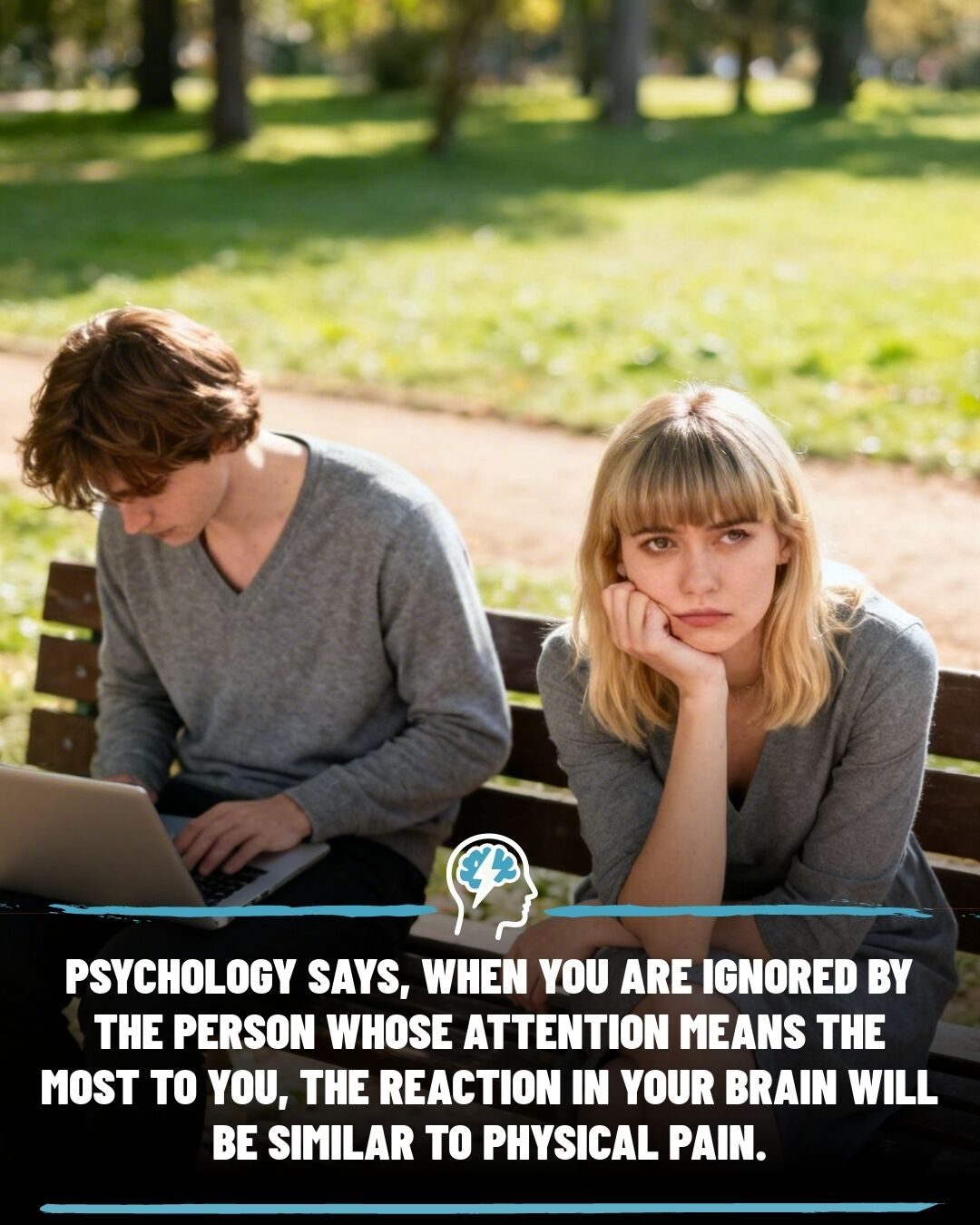
The Psychology of Being Ignored
The ache in your chest after being left out isn't just emotional—it's a real, physical sensation. Research in psychology shows that social rejection can trigger the same brain regions involved in processing physical pain. This means the hurt you feel when someone ignores you or pushes you away is more than just a figment of your imagination. It's a genuine pain-like experience that your brain registers as a distress signal.
Why This Matters
The understanding that social rejection can cause real, physical pain helps explain why heartbreak and exclusion can feel so viscerally painful. It can also validate the genuine hurt that many of us have felt, even if it is invisible. This knowledge supports the idea that meaningful connections are essential for our wellbeing, though it is just one piece of a much larger puzzle.
Understanding the Brain's Response
When participants in studies experienced social rejection, brain scans revealed activation in specific areas:
- The anterior cingulate cortex (ACC), which acts like a distress alarm.
- The secondary somatosensory cortex (S2).
- The dorsal posterior insula (dPIns).
These are the same areas that become active when you physically injure yourself, such as stubbing your toe or touching something hot.
Moreover, the body releases endogenous opioids during rejection, which are the same neurochemicals involved in responding to physical injuries.
The Studies Behind the Findings
Scientists used functional magnetic resonance imaging (fMRI) to study the brain's response to social rejection. Participants played a virtual ball-tossing game where they were deliberately excluded. Others viewed photos of ex-partners while recalling rejection experiences. Researchers then compared these brain patterns against over 500 published studies on physical pain.
The ball-tossing game
In the ball-tossing game, participants quickly understood the rules: the goal was to toss a ball to one of the other virtual players. However, at some point, the other players would stop throwing the ball to the participant, leaving them socially excluded. This exclusion led to the activation of the brain's pain centers, as mentioned earlier.
Viewing photos of ex-partners
The second method involved participants viewing photos of ex-partners while recalling rejection experiences. Again, brain scans showed increased activity in the same pain-processing regions.
Important Considerations
The results indicate that social pain is real, even if it is invisible. However, it is important to note that not everyone experiences social rejection in the same way. Individual differences can significantly impact how we regulate these responses.
Different people may have varying brain mechanisms that help dampen this distress more effectively. Some individuals may be better equipped to handle social rejection without experiencing the same level of physical pain-like sensations.
Practical Tips
Given the real, physical pain that social rejection can cause, here are some practical tips to help navigate these situations:
Be Aware of Your Emotions
Acknowledge the pain you feel when you are ignored or pushed away. Recognize that it is a real sensation, and not just an emotional response.
Practice Self-Compassion
Be gentle with yourself. Understand that the hurt is not imagined, and it is okay to feel this way. Self-compassion can help reduce the impact of social pain.
Cultivate Meaningful Connections
Focus on building and maintaining meaningful connections in your life. Surround yourself with supportive people who value your presence and attention.
Seek Support
Don't hesitate to reach out to friends, family, or a mental health professional if you find it difficult to cope with social rejection. Talking about your feelings can help alleviate some of the pain and provide a different perspective.
Develop Coping Mechanisms
Find healthy ways to cope with the pain. This could include engaging in activities you enjoy, practicing mindfulness, or engaging in physical exercise.
Important Takeaways
The key takeaways from the research on the psychology of being ignored are clear:
- Social rejection can activate the same brain regions involved in processing physical pain.
- The hurt you feel when someone ignores you or pushes you away is more than just emotional; it's a genuine pain-like experience.
- Individual differences can significantly impact how we regulate these responses.
- Understanding this connection can help validate the genuine hurt that many of us have felt, even if it is invisible.
- Meaningful connections are essential for our wellbeing.
Conclusion
Being ignored by someone you care about can cause a visceral, physical pain that is every bit as real as a stubbed toe or a burn. The brain's response to social rejection is a complex interplay of neurological activity and neurochemical release, as evidenced by fMRI studies. Recognizing and validating this pain is an important step in understanding the impact of social connections on our overall wellbeing. By cultivating meaningful relationships and practicing self-compassion, we can better navigate the challenges of social rejection.
Questions readers ask
How does being ignored activate physical pain responses in the brain?
When you are ignored or socially rejected, your brain activates the same regions involved in processing physical pain. This is due to the release of similar neurochemicals, making the emotional pain feel very real and physical.
What parts of the brain are involved in processing social rejection?
Social rejection activates regions of the brain responsible for physical pain, such as the anterior cingulate cortex and the insula. These areas help explain why the emotional pain of rejection feels so intense and real.
What can I do to mitigate the pain of social rejection?
If you are experiencing social rejection there are several suggestions: Reach out to supportive friends or family, engage in activities you enjoy, practice self-care, and consider seeking professional help if the feelings of rejection persist.
Why are social connections important for overall health?
Social connections are vital for overall health because they can help mitigate the physical pain of social rejection. Meaningful relationships provide emotional support and a sense of belonging, which can help reduce the impact of rejection and promote mental and physical wellbeing.
How does social rejection impact the body?
Social rejection can lead to a variety of physical health issues, including increased stress, weakened immune system, and even long-term effects on cardiovascular health. The emotional pain from social rejection is processed in the same brain regions as physical injury, triggering a stress response.
Can the pain from social rejection be as severe as physical injury?
Yes, the pain from social rejection can be as severe as physical injury. The brain processes both types of pain in similar regions, often making the emotional pain from rejection feel just as intense and real as physical harm.
What are the neurochemicals associated with social rejection?
Social rejection activates the release of the same neurochemicals that are involved in physical injury, such as cortisol (a stress hormone) and pro-inflammatory cytokines. These chemicals contribute to the sensation of pain and the overall stress response.
Recent articles
Fresh deep dives from the latest Reels we unpacked.




Comments
Be the first to comment.