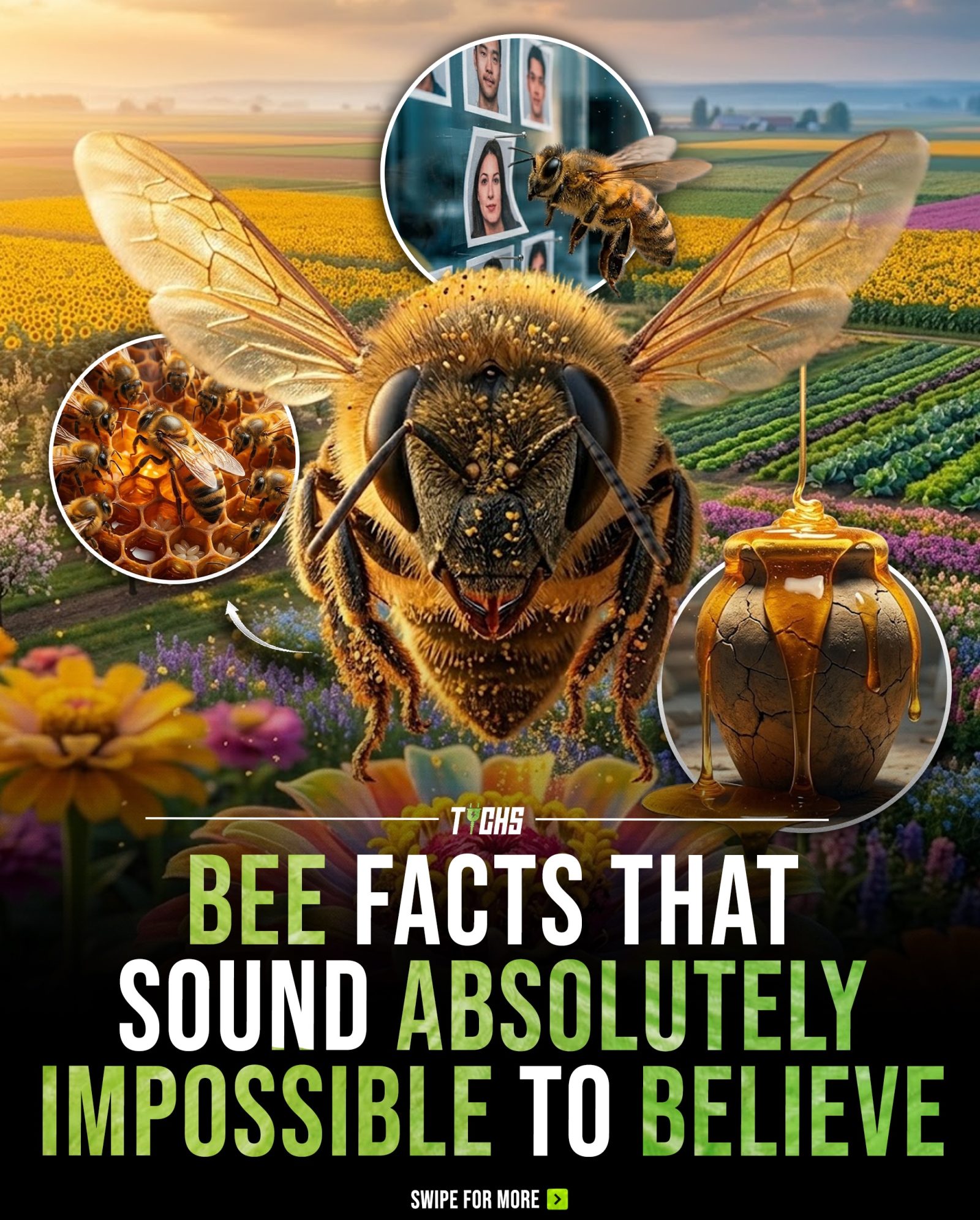
The World of Bees: Fascinating Facts and Critical Roles
Bees are tiny, yet they play an enormous role in maintaining the balance of our ecosystem. They possess remarkable abilities, from recognizing human faces and communicating through intricate dance movements to pollinating crops that feed the world. Bees are also instrumental in the production of honey, a natural sweetener cherished for its flavor and health benefits. Let's delve into the incredible world of bees, exploring their advanced abilities, the science behind honey production, and their critical role in global food production.
Why Bees Matter
Bees are essential for the health of our planet. Their role in pollination is crucial for the reproduction of many plant species, including a significant portion of the world's crops. A single bee might produce only a tiny amount of honey, but the collective effort of an entire colony results in a substantial yield, highlighting the power of teamwork and collaboration in nature. Additionally, bees are being trained by scientists to detect explosives, showcasing their highly sensitive smell receptors and versatile abilities. Understanding the intricacies of bee behavior and biology not only deepens our appreciation for these fascinating creatures but also underscores their importance in maintaining ecological balance and food security.
The Science Behind Honey Production
Honey is a natural product created by bees from the nectar of flowers. The process begins when worker bees collect nectar and store it in their honey stomachs. They then pass the nectar to other worker bees, who process it by breaking down the complex sugars into simpler ones. This process involves the addition of enzymes, which convert the nectar into honey. The bees then deposit the honey into the honeycomb, where it is further dehydrated by fanning their wings. The final product is a thick, sweet liquid that we enjoy as honey.
The Role of Worker Bees
Worker bees are the backbone of honey production. Each worker bee contributes to the collective effort by performing specific tasks. Young worker bees clean the hive and feed the larvae, while older bees perform tasks such as foraging for nectar and pollen. The division of labor ensures the efficient operation of the hive, and the process of honey production showcases the intricate coordination and teamwork within a bee colony.
The Miracle of Honey Production
A single bee produces only a tiny amount of honey in its lifetime—a mere one-twelfth of a teaspoon. This might seem insignificant, but when multiplied by the thousands of worker bees in a single colony, the combined effort results in a substantial yield. The precision and complexity of this process highlight the remarkable capabilities of bees, even in their role as honey producers.
The Versatility of Bees in Pollination
Pollination is one of the most critical roles of bees. Bees pollinate nearly a third of the world's crops, making them essential for global food production. The process involves bees collecting nectar and pollen from flowers, which in turn fertilizes the plants, allowing them to produce fruits and seeds. This mutualistic relationship between bees and plants underscores the importance of bees in maintaining biodiversity and agricultural productivity.
The Science of Pollination
Pollination is a complex process that involves the transfer of pollen from the male parts of a flower to the female parts. Bees are particularly effective pollinators due to their specialized adaptations, including:
- Hairy Bodies: The dense hair covering a bee's body helps in the collection and transport of pollen.
- Sensitive Smell Receptors: Bees can detect the scent of flowers from a considerable distance, guiding them to nectar sources.
- Complex Navigation Systems: Bees use a combination of visual cues and pheromones to navigate and communicate the location of food sources to other bees.
The Impact of Pollination
The impact of bee pollination on agriculture and the environment is immense. Many crops, including apples, almonds, and blueberries, rely on bees for pollination. Without bees, the production of these crops would be significantly reduced, leading to food shortages and economic losses. The economic value of pollination services provided by bees is estimated in the billions of dollars annually, underscoring their importance in global food production.
Bees and Explosive Detection
Believe it or not, bees have been trained by scientists to detect explosives. Their highly sensitive smell receptors make them ideal for identifying even the smallest traces of explosive chemicals. This fascinating application of bee abilities highlights their versatility and the potential for further research into their sensory capabilities.
Training Bees for Explosive Detection
Training bees to detect explosives involves conditioning them to associate the scent of explosive chemicals with a reward, such as sugar water. Over time, the bees learn to recognize the scent and are rewarded for their detection efforts. This trained behavior can then be applied to detect explosives in various settings, including airports and military zones. The potential applications of this technology are vast, and ongoing research aims to refine and expand its use.
Bees and Aging Research
Recent studies have shown that bees, particularly honeybees, exhibit behaviors and biological processes that are similar to those observed in humans. This makes them an excellent model for studying human aging and age-related diseases. By understanding the mechanisms of aging in bees, scientists hope to gain insights that could be applied to human health and longevity.
The Lifespan of a Bee
The lifespan of a bee varies depending on its role within the colony. Worker bees typically live for about 5-6 weeks during the active season, while queen bees can live for several years. The differences in lifespan highlight the unique adaptations and biological processes involved in bee development and aging.
Practical Tips for Supporting Bees
Given their critical role in the ecosystem, it's essential to support bee populations. Here are some practical tips for helping bees thrive:
- Plant Bee-Friendly Flowers: Choose flowers that are rich in nectar and pollen, such as sunflowers, lavender, and asters. Planting a variety of flowers that bloom at different times of the year ensures a continuous food source for bees.
- Create a Bee-Friendly Habitat: Provide bees with nesting sites by leaving some areas of your garden undisturbed. Bees often nest in the ground, under trees, or in dead wood.
- Avoid Pesticides: Reduce or eliminate the use of pesticides in your garden. Pesticides can harm bees and other pollinators, reducing the overall health of the ecosystem.
- Support Local Beekeepers: Purchase honey and other bee products from local beekeepers. Supporting local beekeepers helps maintain healthy bee populations and ensures the sustainability of beekeeping practices.
Important Takeaways
Bees are remarkable creatures with a wide range of abilities that contribute to the health and balance of our ecosystem. From producing honey to pollinating crops and detecting explosives, bees play a crucial role in various aspects of human life. By understanding the science behind their behavior and biology, we can better appreciate their importance and take steps to support their populations.
Conclusion
The world of bees is a fascinating and complex one, filled with remarkable abilities and critical roles. From pollinating crops to producing honey, bees are essential for maintaining the health of our planet. Their intricate behaviors and biological processes offer insights into various fields of research, from agriculture to aging studies. By supporting bee populations and understanding their importance, we can ensure the continued health and balance of our ecosystem.
Questions readers ask
What are some of the most astounding abilities that bees possess?
Bees have a range of remarkable abilities, including the capacity to recognize human faces, which aids in identifying familiar flowers and maintaining safety within their colonies. They also communicate through complex dance movements, such as the 'waggle dance,' which helps share information about food sources and water locations among colonies.
How do bees contribute to the production of honey?
For honey production, bees collect nectar from flowers and store it in their honey stomach. Upon returning to the hive, they pass the nectar to house bees, which transform it into honey by reducing water content through evaporation and adding enzymes.
What is the significance of bees in maintaining our ecosystem?
Bees are essential for pollination, which is critical for the reproduction of many plant species. They help maintain ecological balance by facilitating the growth of vegetation which provides habitats for various wildlife and contributes to the overall health of our environment, which supports food production.
Can a single bee make a significant impact?
A single bee may seem small, but it can have a substantial impact. By performing tasks like pollination and honey production, individual bees contribute to the overall productivity of the hive. Additionally, their combined efforts support the global food supply and promote biodiversity.
How are bees being used in technology and scientific research?
Bees are being trained to detect explosives and other substances, showcasing their potential in security and environmental monitoring. Additionally, researchers study bee behavior and communication methods to inspire advancements in robotics, artificial intelligence, and other technological fields.
What role do bees play in global food production?
Bees play a vital role in global food production by pollinating a wide variety of crops. This process, which involves the transfer of pollen between plants, enables the growth and reproduction of many fruits, vegetables, and nuts, which are crucial components of our diets.
How does the 'waggle dance' help bees communicate?
The 'waggle dance' is a remarkable communication method used by bees to convey information about the distance and direction of food sources and water. This intricate dance involves movements that encode precise details, guiding other bees to essential resources and helping the colony thrive.
Related deep dives
Similar reads based on topic and creator.




Recent articles
Fresh deep dives from the latest Reels we unpacked.




Comments
Be the first to comment.