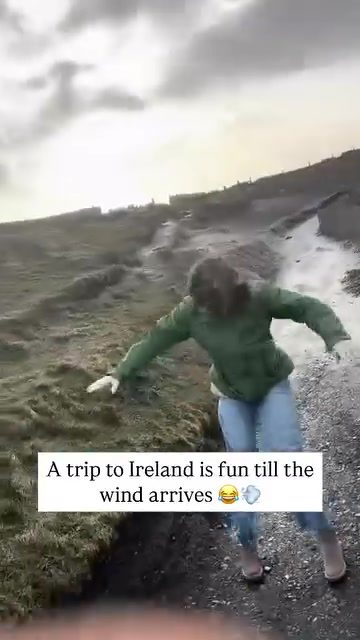
Backpacking in Ireland: Navigating the Winds
Backpacking through Ireland offers a unique blend of stunning landscapes and unpredictable weather. The strong winds are a signature of the Emerald Isle, and they can add an unexpected twist to your journey. Whether you're a seasoned traveler or planning your first trip, understanding and preparing for these winds is crucial for a safe and enjoyable experience.
Why This Matters
Ireland's winds are more than just a weather phenomenon; they shape the entire experience of traveling through the country. The winds can enhance the drama of the landscape, but they can also pose challenges, especially for backpackers who need to traverse long distances on foot. Being prepared for the winds can make the difference between a memorable adventure and a frustrating ordeal.
The Winds of Ireland
Ireland's winds are famous for their strength and unpredictability. The country's coastal location and open landscapes make it particularly susceptible to gales and squalls. These winds can create a unique atmosphere, with waves crashing against the cliffs and skies shifting rapidly from clear blue to a dramatic haze. However, they also demand a certain level of preparedness.
Wind strengths can vary significantly depending on the region. Coastal areas and mountainous regions, like the Wild Atlantic Way and the Wicklow Mountains, tend to experience the strongest gusts. In contrast, inland areas might offer some respite. Knowing the typical wind patterns in the regions you plan to visit is a vital step in planning your backpacking trip.
The Impact of Wind on Travel
Navigation and Hiking
Strong winds can affect your speed and direction while hiking. Uphill climbs and downhill descents become more complicated, and maintaining balance on slippery or uneven terrain becomes a real challenge. In extreme cases, winds can make some trails impassable. Always check the weather forecast and choose your routes accordingly.
Navigation Tools
A reliable compass and GPS are essential tools for navigating through Ireland's windy conditions. Traditional maps can also help you stay on course, but modern gadgets offer more accuracy and safety. Make sure you know how to use these tools effectively, as relying on them can be crucial in strong winds.
Windproof Gear
Investing in high-quality, windproof gear can make a significant difference. A sturdy backpack with a rain cover, windproof jackets, and pants, and waterproof footwear are non-negotiable. For longer treks, consider bringing a windproof tent and a sleeping bag designed for cold and windy conditions.
Wind-proof Accessories
Even the smallest accessories can make a big difference. A windproof hat and gloves, along with a neck gaiter, can help keep you warm and protect your extremities. Sunglasses with side shields can protect your eyes from the wind and potential debris. Additionally, windproof headphones can be a lifesaver for listening to music or podcasts without the noise of the wind constantly interfering.
The Best Time to Visit
The best time to visit Ireland for backpacking depends on your tolerance for wind and cold. Generally, late spring to early summer (May to June) and early fall (September to October) offer milder weather with fewer strong winds. Winter (November to February) is the windiest and coldest, but it also offers fewer tourists and stunning, dramatic landscapes. Summer (July to August) can be pleasant but busier with tourists.
Practical Tips
Packing Light but Smart
When backpacking in Ireland, it's essential to balance the need to pack light with the necessity to be prepared. Opt for versatile, multipurpose items that can serve multiple functions. Consider items like a compact, windproof jacket that doubles as a raincoat. This way, you can avoid carrying bulky extras and still stay protected.
Staying Dry
Waterproofing your gear is crucial. Use waterproof covers for your backpack and gear, and keep essentials like your phone and camera in waterproof cases. Waterproofing your maps and important documents can also save you a lot of trouble.
Staying Warm
Layering your clothing is key to staying warm in Ireland's windy conditions. Start with a moisture-wicking base layer, followed by an insulating layer, and finish with a windproof and waterproof outer layer. This way, you can adjust your clothing according to the temperature and wind conditions.
Planning Your Route
Plan your route in advance, taking into account the prevailing wind conditions. This can help you choose the best times and routes for your journey. Check the weather forecast regularly and adjust your plans as needed. Always have a backup plan in case the winds become too strong.
Staying Safe
Safety should always be your top priority. Let someone know your itinerary and expected return time. Carry a first-aid kit and know basic first-aid skills. Always keep an emergency shelter and food in case you get stranded. Clothes that can be seen in the distance and a whistle can also help if you need to signal for help.
Choosing the Right Accommodation
Opt for accommodations that offer shelter and warmth. Hostels, bed and breakfasts, and camping sites with wind-proof facilities can be good choices. If you're camping, choose a location that offers natural windbreaks, such as trees or hills.
Staying Hydrated and Nourished
Staying hydrated and nourished is crucial, especially when hiking in windy conditions. Carry plenty of water and energy-rich snacks. Hot drinks can also help keep you warm and hydrated. Don't forget to pack a small stove and fuel for cooking and warming up.
Local Insights
Locals can be a wealth of information. They often know the best routes, the safest places to camp, and the best times to hike. Don't hesitate to ask for advice at local shops, cafes, or hostels. Engaging with locals can also enhance your travel experience, offering a deeper understanding of the culture and landscape.
Important Takeaways
Embrace the Wind
Instead of seeing the wind as an obstacle, try to embrace it as part of the experience. The wind can make your journey more thrilling and memorable. Just remember to be prepared and adaptable.
Adaptability
Adaptability is key when backpacking in Ireland. Be ready to change your plans if the weather turns bad. Always have a backup plan and know the safe routes in case you need to make a quick getaway.
Respect the Elements
Nature in Ireland can be unpredictable and powerful. Respect the elements and always prioritize your safety. If you're unsure, seek advice from locals or experienced backpackers.
Conclusion
Backpacking in Ireland is an adventure unlike any other, with its dramatic landscapes and unpredictable winds. By understanding and preparing for the winds, you can make your journey safer, more enjoyable, and more memorable. With the right gear, knowledge, and a sense of adventure, you'll be ready to face whatever the Irish winds throw at you.
Questions readers ask
How do strong winds typically affect backpacking in Ireland?
Strong winds in Ireland can significantly impact your backpacking experience by making hiking more physically demanding, affecting your balance, and potentially causing discomfort. They can also influence your route planning, as some paths may become unsafe or impassable during high winds. Additionally, winds can affect your ability to set up camp and keep your gear secure.
What are some essential items to pack for backpacking in windy conditions in Ireland?
When backpacking in Ireland's windy conditions, pack items such as a windproof and waterproof jacket, gloves, and a hat to protect your extremities. Also, bring a lightweight, wind-resistant tent or consider using a tarp for shelter. Additionally, pack a wind-resistant stove for cooking and secure your gear with bungee cords or straps to prevent loss.
Which areas in Ireland are known for their particularly strong winds?
Ireland's western and southern coasts, including counties such as Kerry, Galway, and Clare, are known for their strong winds. The Aran Islands and the Dingle Peninsula, in particular, experience frequent and powerful gusts. These areas also offer some of the most dramatic landscapes, so it's important to be prepared for the challenges that come with the scenery.
What are some tips for hiking in strong winds in Ireland?
To navigate strong winds while hiking in Ireland, maintain a steady pace and use trekking poles to help with balance. Stay alert to changing conditions and be ready to adjust your route or find shelter if necessary. Additionally, ensure you have reliable navigation tools, as winds can sometimes obscure your visibility and obscure familiar landmarks.
How can I secure my gear while backpacking in windy conditions?
To secure your gear in windy conditions, use bungee cords, carabiners, or straps to keep items tightly attached to your backpack. Regularly check your gear to ensure it remains secure and accessible. For camping, use guy lines and stakes designed for windy conditions to keep your tent stable and use a gear loft or vestibule to keep smaller items secure.
Related deep dives
Similar reads based on topic and creator.




Recent articles
Fresh deep dives from the latest Reels we unpacked.



Comments
Be the first to comment.