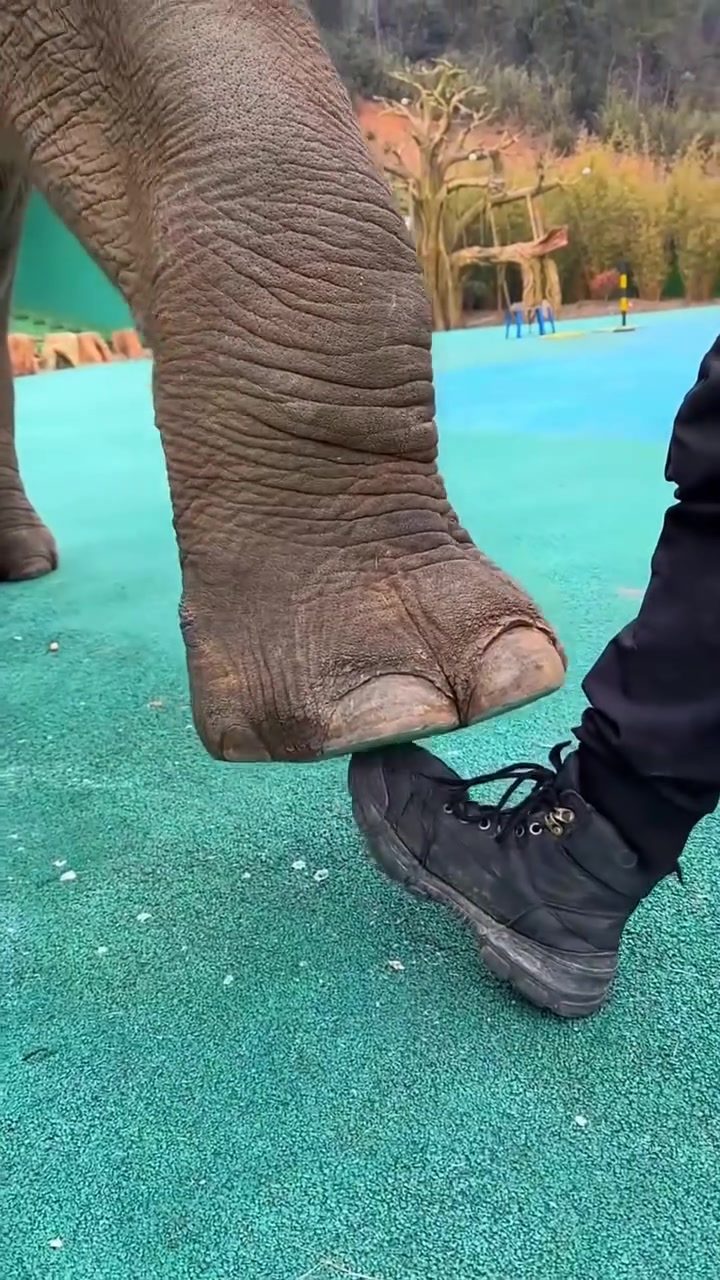
Baby Elephants and the Signs of Trust
Baby elephants are fascinating creatures. Not only are they large and powerful, but they also have the ability to form deep emotional bonds with humans, especially those who care for them. This bond can be seen in various ways, such as when baby elephants climb onto humans or lean against them. These actions are often indicative of trust and affection.
Why This Matters
Understanding the behavior and interactions of baby elephants is crucial for anyone involved in their care or conservation. Elephants are known for their intelligence and emotional depth, making them unique among land animals. Their gentle nature and capacity for empathy are just a few reasons why many people find them to be some of the most lovable creatures on Earth.
The Bond Between Baby Elephants and Humans
When a baby elephant steps on a human's foot, it's usually not an act of aggression but rather a sign of playfulness. Baby elephants see kind humans as part of their family. This familial bond is strengthened through consistent care, feeding, and patience. When elephants lean against or climb onto humans, these actions are often a sign of trust.
Baby elephants, like their adult counterparts, are known for their intelligence. Elephants can perform various tasks, such as picking up trash and placing it in bins, helping humans with simple tasks, and forming strong emotional bonds with their caretakers. Their intelligence, combined with their gentle nature, makes them remarkably caring creatures. Elephants have been observed rescuing animals from water or helping pull stuck vehicles to safety.
The Gentle Giants
Elephants are the largest land animals, but their size doesn't define them. Their gentle nature makes them surprisingly caring. Elephants have even been seen rescuing animals from water or helping pull stuck vehicles to safety. These acts of kindness highlight their empathetic nature and their ability to form strong emotional bonds with both their own kind and humans.
Practical Tips for Interacting with Baby Elephants
Interacting with baby elephants requires patience, kindness, and a deep understanding of their behavior. Here are some tips for fostering a positive relationship with these gentle giants:
Patience and Care
Elephants, especially the young ones, need consistent care and patience. Feeding them, caring for their needs, and being patient with their moods can help build a strong bond. When a baby elephant steps on your foot, remember that it's usually just playing and not an act of aggression. Kind humans are often seen as family by baby elephants, so treating them with kindness can foster a deep bond of trust.
Understanding Their Behavior
Baby elephants often see kind humans as part of their family. They may lean against or climb onto humans as a sign of trust. Understanding these behaviors can help caregivers provide the best support and care for these gentle giants. If a baby elephant leans on you or climbs onto you, it's a sign of trust and affection.
Emotional Bonds
Elephants are known for their intelligence and emotional depth. They can pick up trash and place it in bins, help humans with simple tasks, and form strong emotional bonds with their caretakers. These emotional bonds are a testament to their gentle nature and their capacity for empathy.
Safety and Trust
It's important to remember that elephants are large animals with incredible strength. However, their gentle nature and capacity for empathy make them safe to be around. When a baby elephant leans on you or climbs onto you, it's a sign of trust. Elephants believe that humans will always catch them and keep them safe, which is why they often seek out human companionship.
Important Takeaways
Baby elephants are some of the most remarkable creatures on Earth. Their intelligence, emotional depth, and gentle nature make them unique among land animals. Understanding their behavior and the signs of trust they exhibit can help foster a deep bond between humans and these gentle giants. Elephants are not only the largest land animals but also some of the most lovable creatures due to their capacity for empathy and their ability to form strong emotional bonds.
Conclusion
Baby elephants and their interactions with humans are a fascinating subject. Their intelligence, emotional depth, and gentle nature make them unique and lovable creatures. Understanding their behavior and the signs of trust they exhibit can help anyone involved in their care or conservation. The bond between baby elephants and humans is a testament to the power of empathy and trust, making it a truly special relationship.
Questions readers ask
Why do baby elephants display trusting behaviors towards humans?
Baby elephants display trusting behaviors, like leaning or climbing on caregivers, as a sign of the deep emotional bonds they form. These actions indicate their affection and the unique relationship they develop with humans who care for them. It also shows their intelligence and capacity for empathy.
How do baby elephants show their affection towards humans?
Baby elephants show their affection towards humans through various trusting behaviors. These can include leaning against their caregivers, climbing on them, or simply spending time in close proximity. These actions demonstrate the strong emotional bonds they form with humans.
What does it mean when a baby elephant leans on a human?
When a baby elephant leans on a human, it is a clear sign of trust and affection. This behavior shows that the elephant feels safe and comfortable with the person, highlighting the deep bond that has formed between them. It also indicates the elephant's empathy and intelligence.
Why is understanding baby elephant behavior important for their care?
Understanding baby elephant behavior is crucial for their care as it helps caregivers respond appropriately to their needs. Recognizing signs of trust and affection allows caregivers to build stronger bonds, ensuring the elephant's well-being and happiness. This knowledge is also vital for conservation efforts, promoting positive interactions between humans and elephants.
How do baby elephants interact with humans differently than adult elephants?
Baby elephants often interact with humans more openly and affectionately than adult elephants. They may climb on humans, lean against them, and seek physical contact more frequently. This is due to their developing social skills and the strong bonds they form with their caregivers during their early years.
What role does empathy play in the relationship between baby elephants and humans?
Empathy plays a significant role in the relationship between baby elephants and humans. Baby elephants are known for their empathetic nature, which allows them to form deep emotional bonds with their caregivers. This empathy is demonstrated through their trusting behaviors and their ability to understand and respond to human emotions.
What are some of the most common signs of trust in baby elephants?
Some of the most common signs of trust in baby elephants include leaning against humans, climbing on them, and seeking physical contact. These behaviors indicate that the elephant feels secure and comfortable with the person, showcasing the strong bond and affection developed between them. These actions are a testament to the elephant's intelligence and emotional depth.
Related deep dives
Similar reads based on topic and creator.




Recent articles
Fresh deep dives from the latest Reels we unpacked.




Comments
Be the first to comment.