Baby Face Perception
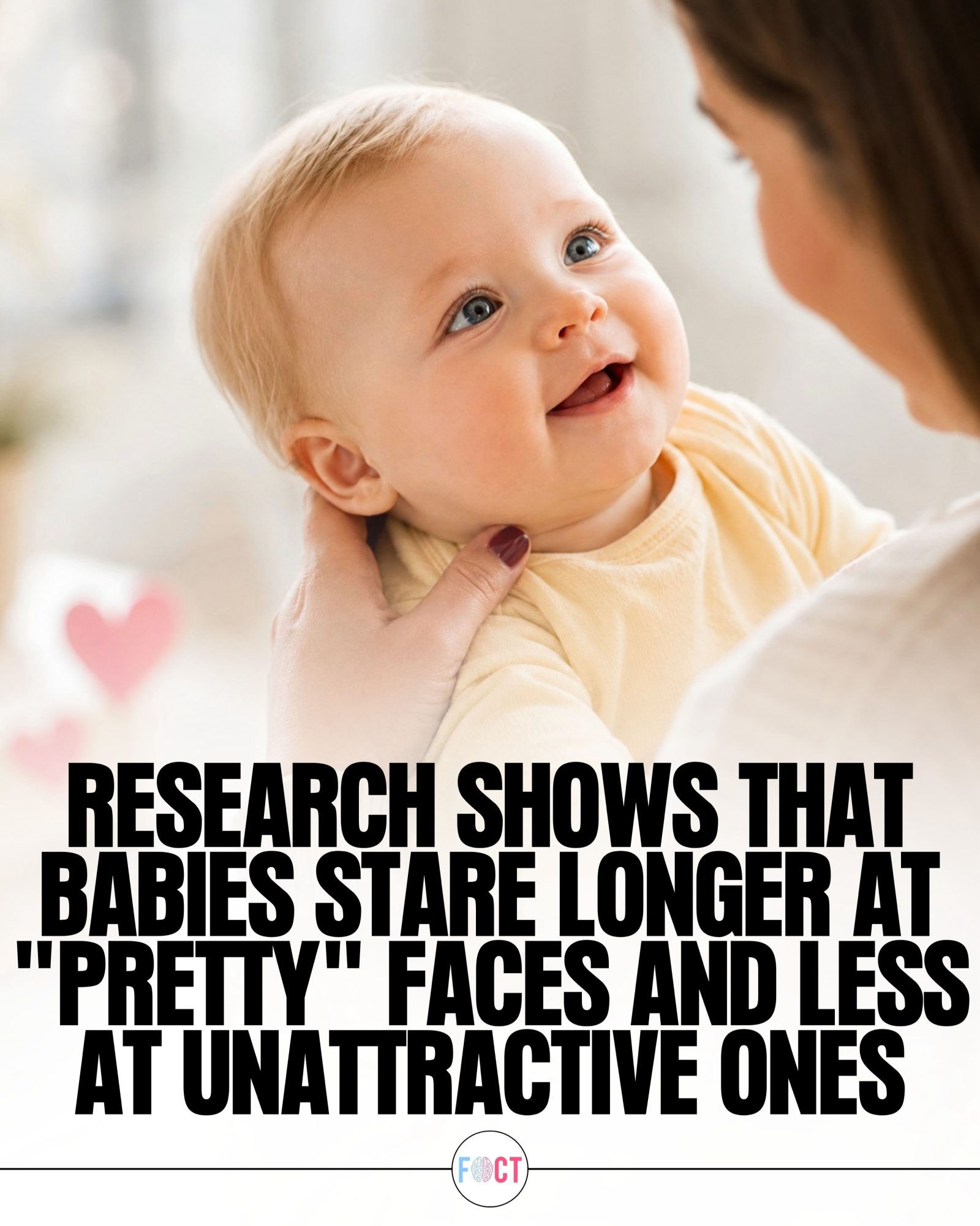
Babies begin forming first impressions long before they can speak, and research in developmental psychology shows that newborns often spend more time looking at faces that adults consider attractive.
Why This Matters
Understanding how babies perceive faces can provide insights into early cognitive development and how infants process visual information. This phenomenon is not just a curiosity but a window into the fundamental mechanisms of human perception and social interaction.
Baby Face Preferences
What Do Babies Find Attractive?
Research indicates that babies tend to gaze longer at faces deemed "pretty" by adults. This preference isn't merely a cultural construct; it has been observed across different cultures and even with digitally created faces. This suggests that the preference for attractive faces is likely an innate visual preference rather than something learned from society.
Predictors of Attention
Scientists suggest that infants are naturally drawn to facial symmetry and balanced features. These characteristics are easier for the brain to process and recognize, making them more appealing to infants. This isn't about babies understanding beauty as adults do, but rather about their early visual processing preferences.
The Role of Symmetry and Balance
Facial Symmetry
Facial symmetry is a universal marker of attractiveness. Babies, with their innate preference for symmetrical features, might be hardwired to find symmetry soothing and more engaging. This preference could be rooted in evolutionary psychology, where symmetrical faces are often associated with health and genetic fitness.
Balanced Features
Balanced features, such as evenly spaced eyes and a proportionate nose, are also key factors. These features create a harmonious appearance that the infant brain finds easier to process. The simplicity and predictability of these balanced features might make them more appealing to young minds.
Cultural and Digital Consistency
Cross-Cultural Observations
The preference for attractive faces is not confined to any single culture. Studies have shown that babies from various cultural backgrounds exhibit the same pattern of gaze duration, suggesting that this preference is deeply rooted in human nature rather than being learned from societal norms.
Digital Faces
Even with digitally created faces, babies display the same preference. This reinforces the idea that the preference is innate and not a result of learned behavior. It's a fascinating insight into how early visual preferences can be preprogrammed into our cognitive development.
What This Means for Infant Development
Early Cognitive Development
The ability to recognize and prefer certain facial features is a crucial part of early cognitive development. It shows that infants have the capacity to process and differentiate complex visual information from a very young age. This early ability to discern attractive faces could be a precursor to more sophisticated social and emotional skills.
Social and Emotional Skills
Understanding that babies have a preference for attractive faces can help caregivers and parents. It might be a starting point for fostering social and emotional development. Engaging babies with faces they find appealing can enhance their social interactions and emotional responses.
Practical Tips
Engaging with Babies
For parents and caregivers, knowing that babies prefer attractive faces can be useful. Using images or toys with attractive, symmetrical features can help capture a baby's attention and stimulate their visual processing.
Encouraging Social Interaction
Using these insights, you can encourage social interactions by showing babies pictures of faces they find appealing. This can help them develop their social skills and emotional responses early on.
Visual Stimulation
Providing babies with visually stimulating environments that include attractive faces can aid in their cognitive development. This can be as simple as using baby-safe mirrors or toys with friendly, symmetrical faces.
Important Takeaways
Babies' preference for attractive faces is a universal and innate phenomenon. Understanding this preference can provide valuable insights into early cognitive and social development. Engaging babies with visually appealing faces can enhance their visual processing and social interactions, contributing to their overall development.
Conclusion
The fact that babies form first impressions based on facial attractiveness is a fascinating insight into early cognitive and emotional development. This preference, grounded in visual symmetry and balance, is a universal trait observed across cultures and even with digital faces. Understanding and leveraging this preference can help caregivers create more enriching and stimulating environments for infants, fostering their cognitive and social skills from a young age.
Questions readers ask
At what age do babies start showing a preference for attractive faces?
Babies exhibit a preference for attractive faces from a very early age. Studies have shown that even newborns, just a few days old, tend to spend more time gazing at faces that adults consider pretty, indicating an innate ability to process and prefer certain facial features.
What specific facial features do babies find attractive?
Babies are drawn to symmetrical and balanced features. Faces with these characteristics are often perceived as more attractive by adults as well. This preference for symmetry and balance is consistent across different cultures and even with digitally created faces.
Why do babies prefer attractive faces?
The preference for attractive faces in babies may be linked to evolutionary advantages. This inclination could be a way to ensure that infants are more attuned to caregivers and social interactions, which are crucial for survival and development. It also provides insights into how infants process visual information.
Do babies have a different reaction to unattractive faces?
Babies tend to spend less time looking at faces that adults consider unattractive. This difference in reaction shows that infants are capable of making distinctions based on facial features and may have a preference for more symmetrical and balanced faces.
How do researchers determine that babies prefer attractive faces?
Researchers use controlled studies where babies are shown pairs of faces with varying levels of attractiveness. By measuring the amount of time babies spend looking at each face, researchers can determine which faces babies find more appealing. This method helps to understand the fundamentals of infant face attraction and visual processing.
Related deep dives
Similar reads based on topic and creator.


Recent articles
Fresh deep dives from the latest Reels we unpacked.




Comments
Be the first to comment.