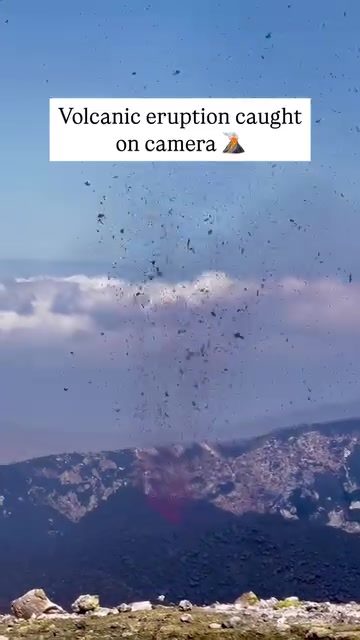
Volcanic Eruptions: A Spectacular Natural Phenomenon
Volcanic eruptions are among the most powerful and awe-inspiring events on Earth. The raw energy and dramatic display of nature's fury make them a subject of both scientific study and public fascination. Recently, a video captured a volcanic eruption in progress, showcasing ash and smoke billowing high into the sky, with mountainous terrain serving as a backdrop. This spectacle highlights the dynamic and unpredictable nature of our planet.
Why This Matters
Understanding volcanic eruptions is crucial for several reasons. Firstly, they have shaped the Earth's landscape and atmosphere over millions of years. Secondly, they pose significant risks to nearby communities, making it essential to study their patterns and behaviors. Lastly, volcanic activity can provide valuable insights into the Earth's internal processes, offering a window into the planet's geological history. In a world where natural disasters are increasingly a part of the conversation, comprehending volcanic eruptions can help prepare and protect populations.
The Science of Volcanic Eruptions
The Mechanics of an Eruption
Volcanic eruptions occur when magma from beneath the Earth's surface rises and escapes through open vents or fissures. This magma can be incredibly hot, reaching temperatures of up to 1,200°C (2,192°F). As it rises, it interacts with water, gases, and other materials, leading to explosive eruptions that can send ash and lava high into the air. The type and intensity of an eruption depend on the composition of the magma and the geological setting of the volcano.
Different Types of Volcanic Eruptions
Volcanic eruptions can be classified into several types based on their style and intensity:
- Hawaiian Eruptions: Characterized by the effusive outflow of very fluid, basaltic lava with low gas content. These eruptions are typically non-explosive and can create lava fountains and lava lakes.
- Strombolian Eruptions: Moderately explosive, these eruptions involve the ejection of incandescent cinders, lapilli, and lava bombs to altitudes of tens to hundreds of meters. They are named after the Stromboli volcano in Italy.
- Vulcanian Eruptions: More explosive than Strombolian eruptions, these involve the ejection of a dense cloud of ash and incandescent tephra. They are typically shorter in duration but can be very powerful.
- Pelean Eruptions: Characterized by the growth of domes of viscous magma, which can collapse and generate pyroclastic flows—a mixture of hot gas, ash, and rock that can flow down the volcano's slopes at high speeds.
- Plinian Eruptions: These are the most explosive type of eruption, involving the ejection of vast columns of ash and gas high into the stratosphere. They can have devastating effects over large areas and are often associated with the collapse of the volcano's summit, forming calderas.
The Impact on the Environment
Atmospheric Effects
Volcanic eruptions can have significant effects on the Earth's atmosphere. The ash and gases released can reach the stratosphere, where they can linger for extended periods, reflecting sunlight and cooling the Earth's surface. For example, the 1991 eruption of Mount Pinatubo in the Philippines released large amounts of sulfur dioxide, which formed reflective sulfate aerosols that temporarily lowered global temperatures.
Ecological Impact
Volcanic eruptions can also have profound effects on local ecosystems. The immediate area around the volcano may be devastated by lava flows, pyroclastic flows, and ashfall. However, over time, volcanic soil can be incredibly fertile, supporting unique and diverse plant and animal communities. The nutrients in volcanic ash can enrich the soil, promoting the growth of lush vegetation.
Human Impact
For communities living near volcanoes, eruptions can be life-threatening. Ashfall, lava flows, pyroclastic flows, and lahars (volcanic mudflows) all pose significant risks. Monitoring and early warning systems are crucial for mitigating these risks. Historical disasters, such as the 1985 eruption of Nevado del Ruiz in Colombia, which caused a deadly lahar that devastated the nearby town of Armero, underscore the importance of preparedness and education.
Practical Tips for Volcanic Safety
Stay Informed
If you live near a volcano, stay informed about its activity. Monitor local news, listen to emergency broadcasts, and follow the advice of local authorities. Many volcanic regions have early warning systems in place, and knowing the alert levels (e.g., green, yellow, orange, red) can help you understand the current level of risk.
Prepare an Emergency Kit
Have an emergency kit ready with essential supplies, including:
- Water and non-perishable food
- First aid kit
- Flashlights and extra batteries
- Important documents (e.g., identification, insurance papers)
- Medications
- Cash and coins
Develop an Evacuation Plan
Know the evacuation routes and safe zones in your area. Practice your escape plan with your family, and have a designated meeting point in case you get separated. Familiarize yourself with the local evacuation procedures, including how to safely travel through potentially hazardous areas.
Protect Your Property
Take steps to protect your property from ashfall and other volcanic hazards. Cover windows, vents, and doors with plywood or tarps to prevent ash from entering your home. Secure outdoor items that could be blown away or damaged by falling ash.
Post-Eruption Precautions
After an eruption, be cautious when returning to your home. Ash and other debris can pose health risks, so wear protective gear, including masks, gloves, and goggles. Be aware of potential hazards, such as weakened structures and contaminated water supplies.
Important Takeaways
Volcanic eruptions are a natural part of the Earth's geological activity, and while they can be dangerous, they also play a crucial role in shaping our planet. Understanding the different types of eruptions, their impacts, and how to stay safe can help us navigate these powerful events with greater preparedness and resilience. Whether you are an adventure seeker, a scientific enthusiast, or someone living in a volcanic region, knowledge is your best defense.
Conclusion
Volcanic eruptions are a testament to the Earth's dynamic and ever-changing nature. From the awe-inspiring displays of molten lava to the profound effects on the environment and human communities, these events remind us of the raw power that lies beneath the surface. By staying informed, prepared, and respectful of nature's forces, we can appreciate the spectacle while ensuring our safety and the well-being of those around us.
Questions readers ask
What makes volcanic eruptions so captivating to watch on camera?
Volcanic eruptions are captivating due to the raw, unpredictable power of nature on display. Witnessing the dramatic release of ash and smoke against stunning landscapes provides a unique perspective on Earth’s dynamic history and the forces that shape it, making these events both thrilling and humbling to observe.
Why are geological events like volcanic eruptions important to study?
Studying volcanic eruptions helps scientists understand the internal processes of our planet, and how these events have shaped the Earth's landscape and atmosphere over time. This knowledge is crucial for predicting future eruptions and mitigating risks to nearby communities, as well as for appreciating the dynamic nature of our world.
How do volcanic eruptions pose risks to nearby communities?
Volcanic eruptions can pose significant risks to nearby communities through various means, including the release of toxic gases, pyroclastic flows, and lava, as well as the potential for landslides and tsunamis in coastal areas. Understanding and preparing for these hazards is essential for minimizing the impacts on human life and infrastructure.
What can drone footage reveal about volcanic activity?
Drone footage captures aerial views and close-up details that ground-based observations might miss, providing valuable data for scientists. This footage can reveal the progress of an eruption, the movement of lava flows, and the extent of ash and smoke plumes, offering a comprehensive view of the event.
How does a volcanic eruption video go viral?
Volcanic eruption videos often go viral due to their awe-inspiring and dramatic nature. The combination of stunning visuals, the raw power of nature on display, and the rarity of such events can captivate audiences worldwide, leading to widespread sharing on social media platforms. High-quality footage, like that captured by Giovanni Finocchiaro, can further enhance this phenomenon.
Related deep dives
Similar reads based on topic and creator.



Recent articles
Fresh deep dives from the latest Reels we unpacked.




Comments
Be the first to comment.