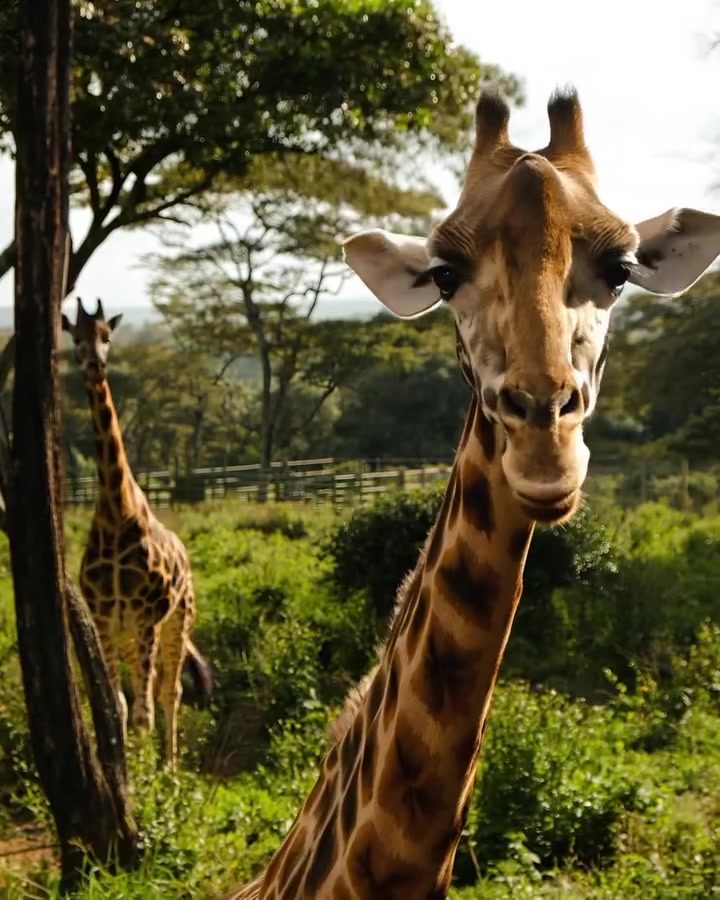
Giraffe Encounters: An Up-Close Experience
Giraffes, the tallest land animals on Earth, are known for their striking appearance and graceful movements. Encountering these magnificent creatures up close offers a unique and unforgettable experience. Whether in a wildlife preserve or a safari setting, observing giraffes in their natural habitat provides a deeper understanding of their behavior and the environment they inhabit.
Why This Matters
Interacting with giraffes is not just a thrilling adventure; it's also an opportunity to appreciate the delicate balance of ecosystems and the importance of wildlife conservation. These encounters remind us of the beauty of nature and the necessity of preserving such wonders for future generations. Engaging with giraffes can also foster a sense of curiosity and wonder, inspiring individuals to learn more about these gentle giants and their habitats.
Main Discussion
Understanding Giraffes
Giraffes are characterized by their long necks and distinctive coat patterns. These traits are not just visually appealing but also serve specific purposes in their survival. Their long necks allow them to reach leaves and buds in trees that other herbivores cannot, making them highly adapted to their environment. Their coat patterns provide effective camouflage, helping them blend into their surroundings and avoid predators.
The Importance of Habitat
Giraffes are typically found in savannas, grasslands, and open woodlands. These habitats provide the necessary food and water resources for their survival. In these environments, giraffes play a crucial role in shaping the landscape by stripping leaves from trees, which helps in controlling vegetation growth. They also contribute to seed dispersal, aiding in the regeneration of plants.
The Social Structure
Giraffes are social animals, often found in groups called towers. These groups can range from a few individuals to large herds, depending on the availability of resources and the season. Within these groups, relationships are complex and hierarchical, with dominant individuals having access to the best resources.
Giraffes in Conservation
Despite their majestic presence, giraffes face several threats, including habitat loss, poaching, and climate change. Conservation efforts are crucial to ensuring their survival. Wildlife preserves and safari settings, such as the one shown, provide a safe haven for these animals, allowing them to thrive in a protected environment. Such efforts not only help maintain giraffe populations but also contribute to the preservation of the broader ecosystem.
These efforts are essential for maintaining biodiversity and ensuring that future generations can experience the wonder of interacting with these gentle giants. However, to fully appreciate the importance of preserving giraffes, it's vital to understand the challenges they face.
Challenges and Solutions
The primary threats to giraffes include habitat destruction, poaching, and climate change. As human populations expand, more land is converted for agriculture and urban development, leading to the fragmentation and loss of giraffe habitats. Poaching, driven by the illegal wildlife trade, also poses a significant threat. Climate change further exacerbates these issues by altering rainfall patterns, affecting food and water availability.
Conservation efforts focus on mitigating these threats through habitat restoration, anti-poaching measures, and sustainable land use practices. Wildlife preserves and safaris play a crucial role in protecting giraffe populations by providing safe habitats and promoting conservation awareness. Additionally, educational programs and community involvement are essential for inspiring greater public support and action.
Practical Tips
Encountering giraffes, whether on a safari or in a wildlife preserve, is an experience that requires preparation and respect for these creatures' natural behavior. Here are some practical tips to ensure a safe and meaningful interaction:
Respect Wildlife
Always maintain a safe distance from giraffes. These gentle giants can pose a threat if they feel threatened or cornered. Observe them from a distance, and use binoculars or a camera with a good zoom lens to capture close-up images.
Choose Ethical Tour Operators
When planning a giraffe encounter, select tour operators that prioritize animal welfare and conservation. Ethical operators ensure that the animals' well-being is not compromised and that their natural behaviors are not disrupted.
Support Conservation Efforts
Contribute to conservation efforts by supporting organizations that work to protect giraffes and their habitats. This can include donations, volunteer work, or even simple acts like spreading awareness on social media. Every effort, no matter how small, can make a difference.
Learn About Giraffes
Before your encounter, take the time to learn about giraffes, their behavior, and their habitat. This knowledge will enhance your experience and help you appreciate the significance of conservation efforts.
Important Takeaways
Encountering giraffes in their natural habitat is a profound and enriching experience. It offers an opportunity to appreciate the beauty and complexity of these animals and the ecosystems they inhabit. Here are a few key takeaways:
- Giraffes are highly adapted to their environments, with unique physical traits that aid in their survival.
- Their habitats are crucial for their survival and play a significant role in maintaining ecological balance.
- Conservation efforts are essential for protecting giraffes and their habitats from various threats.
- Ethical and responsible tourism practices can contribute to the preservation of these magnificent creatures.
Conclusion
Encountering giraffes is more than just a thrilling adventure; it's a chance to connect with nature and understand the importance of conservation. Whether you're observing them in a wildlife preserve or a safari setting, these gentle giants offer a window into the wonders of the natural world. By appreciating and supporting conservation efforts, we can ensure that future generations have the opportunity to experience the magic of giraffe encounters.
Questions readers ask
What are some of the best places to see giraffes in the wild?
Some of the best places to see giraffes in their natural habitat include national parks and reserves such as the Serengeti National Park in Tanzania, Kruger National Park in South Africa, and the Maasai Mara National Reserve in Kenya. These locations offer optimal conditions for viewing giraffes and other wildlife in their pristine environments.
What can I expect to learn from observing giraffe behavior in the wild?
Observing giraffes in their natural habitat can provide insights into their social structures, such as their herd dynamics and interactions. You may also learn about their feeding habits, mating rituals, and how they communicate with each other, which can be fascinating and unexpected.
What are some tips for giraffe wildlife photography during a safari?
For the best giraffe wildlife photography, use a long telephoto lens to capture detailed shots without disturbing the animals. Be patient and ready to snap shots when giraffes engage in interesting behaviors. Additionally, consider the lighting and background to frame the giraffes effectively, giving depth to your photos.
How do giraffes contribute to the ecosystem and why is their conservation important?
Giraffes play a vital role in their ecosystems by controlling vegetation growth and dispersing seeds through their dung. They help maintain the balance of their habitats by keeping tree and shrub populations in check. Conservation efforts are crucial to ensure their survival and the health of their ecosystems.
Can you describe the highlights of a typical giraffe safari experience?
A typical giraffe safari experience includes guided tours in open vehicles, allowing for close-up sightings and photography opportunities. Highlights often include observing giraffes interacting with each other, witnessing their unique feeding behaviors, and learning about their conservation from knowledgeable guides. Some safaris may also offer the chance to feed or touch giraffes in controlled environments.
What are some notable behaviors of giraffes that can be witnessed in the wild?
In the wild, giraffes exhibit a variety of behaviors that can be fascinating to observe, such as their distinctive walking and running gaits. They are known for their long necks, which they use for reaching high foliage and engaging in necking battles with other males. Additionally, giraffes have unique social structures and can be seen in groups or herds, with females often forming strong bonds with their calves.
How can I capture a giraffe in the wild video that stands out?
To capture a giraffe in the wild video that stands out, focus on the unique behaviors and movements of the giraffes. Use a stable camera or tripod for steady footage, and be prepared to zoom in on key moments. Incorporating the natural sounds of the environment and any interesting interactions between giraffes and other wildlife can enhance the authenticity of your video.
Related deep dives
Similar reads based on topic and creator.




Recent articles
Fresh deep dives from the latest Reels we unpacked.




Comments
Be the first to comment.