Autistic Traits and Relationships
Autistic traits play a significant role in how individuals form and maintain social connections. Recent research has shed light on the dynamics of these interactions, particularly highlighting the importance of shared traits in fostering stronger bonds.
Context / Why This Matters
Understanding the nuances of autistic traits and their impact on relationships is crucial for creating more inclusive social environments. By recognizing the unique ways autistic individuals communicate and connect, we can better support their social interactions and enhance overall well-being.
Main Discussion
The Role of Similar Autistic Traits
Studies have revealed that people with similar autistic traits are more likely to form stronger social connections during conversations. This phenomenon suggests that communication challenges often stem from mismatched interaction styles rather than an inherent inability to bond. When social expectations and communication patterns are aligned, autistic people can communicate very effectively with one another.
This finding is supported by a growing perspective in psychology that emphasizes the importance of shared traits in fostering meaningful connections. People with similar autistic traits tend to gravitate toward each other, creating a more harmonious and supportive social dynamic. This mutual attraction is not merely coincidental but rooted in the shared understanding and similar communication styles.
Communication Patterns and Social Expectations
The effectiveness of communication between individuals with similar autistic traits can be attributed to aligned social expectations and communication patterns. When these aspects are in sync, it becomes easier for individuals to understand and respond to each other's needs and cues. This alignment can lead to more fulfilling and meaningful interactions, reducing the stress and frustration that often accompany social engagements for autistic individuals.
Visual Representation of Connection
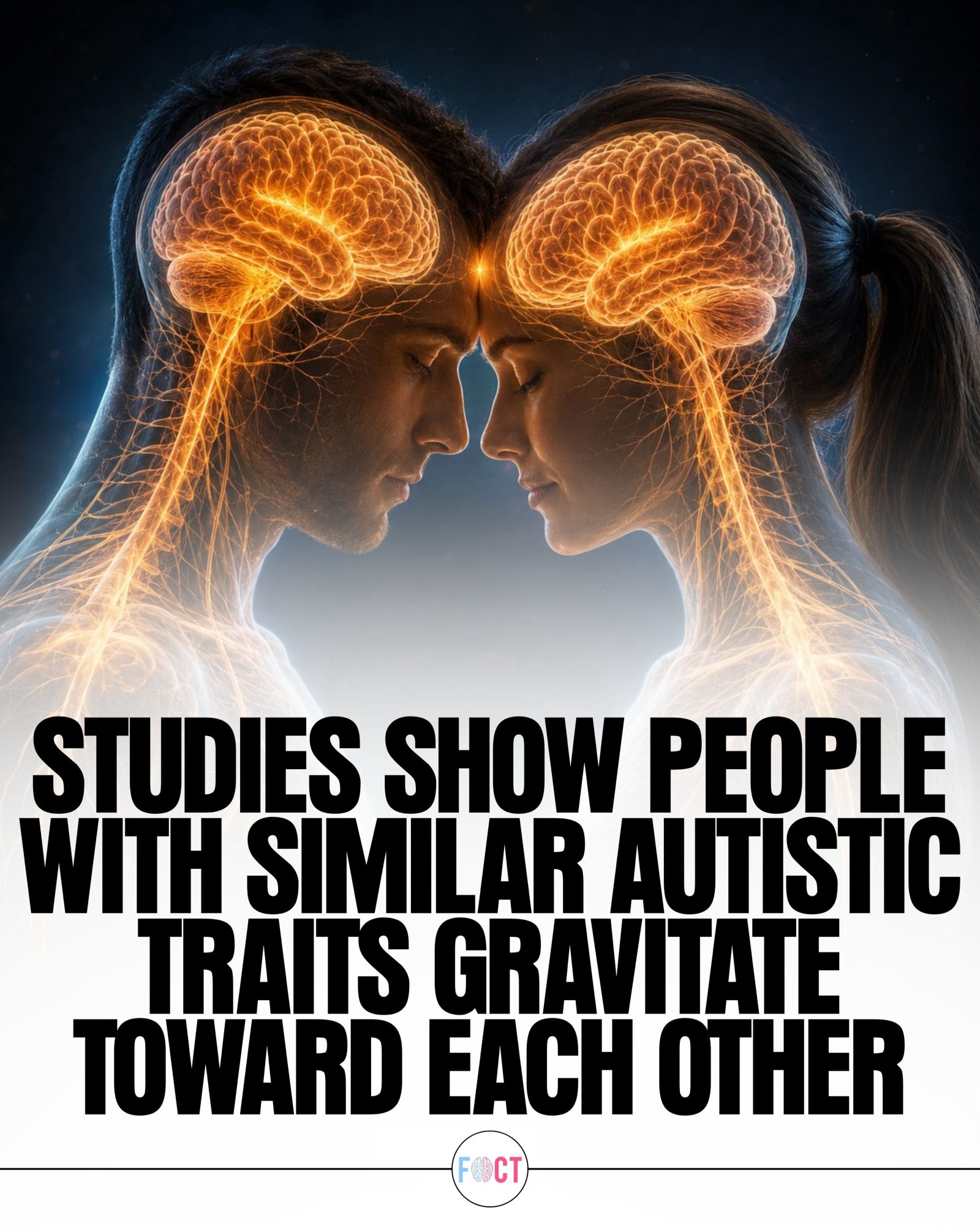
The visual representation of two people facing each other, with their heads overlapping and glowing brain representations connecting them, underscores the profound nature of these connections. This graphic metaphorically illustrates the deep understanding and bond that can form when individuals with similar autistic traits interact. The glowing brains symbolize the shared mental processes and communication styles that facilitate effective communication.
Practical Tips
Building Stronger Connections
- Identify Shared Interests: Encouraging individuals with similar autistic traits to engage in activities they both enjoy can foster a deeper connection.
- Create Supportive Environments: Ensure that social settings are free from overwhelming stimuli and allow for clear, unhurried communication.
- Promote Open Dialogue: Encourage open, non-judgmental conversations where individuals can freely express their thoughts and feelings.
- Encourage Peer Support Groups: Facilitating peer support groups can provide a safe space for individuals to connect, share experiences, and build stronger bonds.
- Educate and Inform: Provide resources and education to help individuals understand the nuances of autistic traits and effective communication strategies.
Enhancing Communication
- Use Clear and Direct Language: Avoid ambiguity and use straightforward language to ensure clarity in communication.
- Respect Personal Space: Be mindful of personal space and respect each individual's comfort zone.
- Practice Active Listening: Pay full attention to the speaker, show you’re listening, and provide feedback.
- Be Patient and Understanding: Allow time for responses and be patient with the pace of communication.
- Provide Visual Aids: Use visual cues and aids to support verbal communication and enhance understanding.
Important Takeaways
The research underscores the importance of recognizing and supporting the unique ways autistic individuals communicate and connect. By fostering environments where social expectations and communication patterns are aligned, we can create more inclusive and supportive social dynamics. This understanding can lead to stronger, more fulfilling relationships and a greater sense of belonging for autistic individuals.
Conclusion
The concept that people with similar autistic traits are drawn to each other and can communicate effectively when social expectations and communication patterns are aligned is a significant insight. By acknowledging and supporting these dynamics, we can enhance social interactions and create more inclusive environments. Understanding the nuances of autistic traits and their impact on relationships is essential for fostering a more compassionate and supportive society.
Questions readers ask
How do autistic traits influence the way individuals form social connections?
Autistic traits shape social interactions by introducing unique communication patterns and social expectations. These traits can lead to deeper, more meaningful exchanges when individuals with similar traits interact, as they understand and adapt to each other's styles more intuitively.
Why are shared autistic traits significant in fostering stronger social bonds?
Shared autistic traits create a foundation for understanding and mutual respect, which can lead to stronger connections. When individuals have similar autistic traits, they often find it easier to communicate and connect, as they share a common ground in their social expectations and communication styles.
What are some examples of unique communication patterns in autistic individuals?
Autistic individuals may use literal language, prefer clear and direct communication, or rely on non-verbal cues in specific ways. They might also have unique social expectations, such as valuing honesty and directness, which can influence how they interact with others.
How can understanding autistic traits enhance social well-being for autistic people?
By recognizing and appreciating the unique social dynamics of autistic traits, we can foster inclusive environments. This understanding promotes better social interactions, reduces misunderstandings, and encourages more supportive and respectful communication, all of which contribute to improved social well-being.
What role do meaningful exchanges play in autistic social interactions?
Meaningful exchanges are crucial in autistic social interactions as they help build trust and understanding. When autistic individuals engage in meaningful exchanges, they are more likely to form deeper bonds, leading to stronger and more satisfying social connections. This is particularly true when the exchanges align with their unique communication patterns and social expectations.
How can the dynamics of autistic social interactions be improved in everyday settings?
Improving the dynamics of autistic social interactions involves recognizing and accommodating autistic traits. This can be achieved by promoting open communication, providing clear expectations, and encouraging patience and understanding. Creating environments that support these dynamics can lead to more harmonious and fulfilling interactions for everyone involved.
Recent articles
Fresh deep dives from the latest Reels we unpacked.




Comments
Be the first to comment.