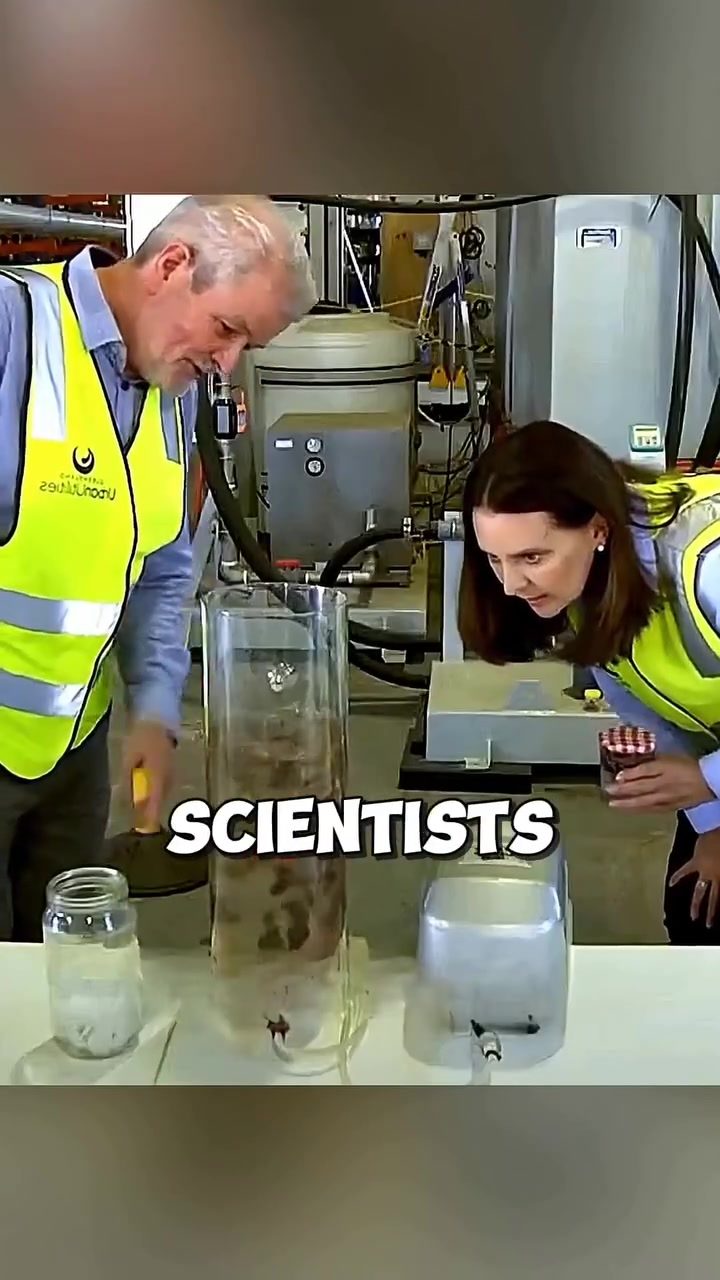
The Bacteria That Cleans Human Waste
Australian scientists have discovered a groundbreaking bacteria called anammox that can naturally clean wastewater by consuming human sewage. This innovative process offers a more sustainable alternative to traditional water treatment methods, which often rely on large amounts of electricity.
Why This Matters
Water purification is a critical process for maintaining public health and environmental sustainability. Traditional methods, while effective, consume significant amounts of energy. The discovery of bacteria that can clean wastewater naturally provides a promising avenue for more efficient and eco-friendly waste management. By harnessing the power of anammox bacteria, we can reduce our reliance on electricity and minimize the environmental impact of water treatment.
The Science Behind Anammox Bacteria
What Are Anammox Bacteria?
Anammox bacteria, short for anaerobic ammonium oxidation bacteria, are a unique group of microbes that thrive in environments where oxygen is scarce. These bacteria have the remarkable ability to convert nitrogen and ammonium into nitrogen gas, which is then released into the atmosphere. This process not only purifies the water but also helps in reducing harmful nitrogen compounds that can pollute water bodies.
How Do Anammox Bacteria Work?
Anammox bacteria perform a critical biological process known as anaerobic ammonium oxidation (anammox). During this process, the bacteria use ammonium (NH4+) and nitrite (NO2-) to produce nitrogen gas (N2) and water (H2O). This biogeochemical reaction is essential for removing nitrogen from wastewater, as it helps in reducing the effluent nitrogen levels, which can be harmful to aquatic life.
The process can be simplified as: NH4+ + NO2− → N2 + 2H2O
The Role of Anammox Bacteria in Water Purification
Traditional wastewater treatment plants use aerobic processes that require significant amounts of energy to clean wastewater. In contrast, anammox bacteria operate in anaerobic conditions, making them more energy-efficient. By naturally removing nitrogen and ammonium, these microbes not only clean the water but also contribute to a more sustainable waste management system.
Challenges in Growing Anammox Bacteria
While anammox bacteria offer a natural and efficient way to purify wastewater, growing them in large quantities presents significant challenges. Scientists have reported that it can take more than 5 years to produce enough anammox bacteria to handle the wastewater of an entire city. The slow growth rate and specific environmental requirements make scaling up this technology a daunting task.
Practical Tips for Utilizing Anammox Bacteria
Optimizing Growth Conditions
To effectively use anammox bacteria for wastewater treatment, it's crucial to optimize their growth conditions. This involves maintaining anaerobic environments and providing the necessary nutrients for the bacteria to thrive. Researchers are continually working on developing more efficient methods to cultivate anammox bacteria, including the use of advanced bioreactors and optimized nutrient formulations.
Integrating Anammox Technology
Anammox technology can be integrated into existing wastewater treatment plants, enhancing their efficiency and sustainability. By combining traditional methods with anammox processes, water treatment facilities can reduce their energy consumption and environmental impact. This integration requires careful planning and expertise in both traditional and anaerobic treatment methods.
Important Takeaways
The discovery of anammox bacteria offers a significant breakthrough in sustainable water purification. By converting nitrogen and ammonium into harmless nitrogen gas, these bacteria provide a natural and energy-efficient solution to wastewater treatment. However, the slow growth rate and specific environmental requirements pose challenges to widespread adoption. Ongoing research and development are essential for overcoming these hurdles and harnessing the full potential of anammox bacteria in wastewater management.
Conclusion
Anammox bacteria represent a promising innovation in water purification technology. By naturally removing harmful nitrogen compounds from wastewater, these bacteria offer a more sustainable and energy-efficient alternative to traditional methods. While challenges exist in growing and utilizing anammox bacteria on a large scale, ongoing research and technological advancements hold the key to overcoming these obstacles. By integrating anammox technology into existing wastewater treatment systems, we can move towards a more sustainable future.
Questions readers ask
What makes the anammox bacteria unique in wastewater treatment?
Anammox bacteria are unique because they naturally consume human sewage and convert harmful nitrogen and ammonium compounds into harmless nitrogen gas, unlike traditional wastewater treatment methods that rely heavily on electricity.
How does the anammox bacteria process contribute to eco-friendly wastewater treatment?
Anammox bacteria provide an eco-friendly wastewater treatment solution by reducing the need for energy-intensive processes. This bacteria naturally removes nitrogen and ammonium, aiding in water purification while minimizing energy consumption and environmental impact.
What are the benefits of using anammox bacteria in wastewater treatment?
Using anammox bacteria in wastewater treatment offers several benefits, including reduced energy consumption, lower operational costs, and a smaller environmental footprint. This natural process helps convert harmful compounds into safe nitrogen gas, promoting sustainable waste management.
Can anammox bacteria be used in existing wastewater treatment plants?
Anammox bacteria can potentially be integrated into existing wastewater treatment plants, however, additional research and modifications may be necessary. This integration could enhance the efficiency and sustainability of current treatment processes, making them more eco-friendly.
How do anammox bacteria help in nitrogen removal from wastewater?
Anammox bacteria remove nitrogen from wastewater by converting nitrogen and ammonium compounds into harmless nitrogen gas. This natural process is a sustainable alternative to conventional nitrogen removal methods, which often require significant energy and resources.
What are the implications of anammox bacteria for Australian wastewater solutions?
Anammox bacteria offer a promising solution for Australian wastewater management by providing a natural, energy-efficient way to clean wastewater. This discovery could lead to more sustainable sewage treatment practices, reducing the reliance on conventional, energy-intensive methods.
Related deep dives
Similar reads based on topic and creator.



Recent articles
Fresh deep dives from the latest Reels we unpacked.




Comments
Be the first to comment.