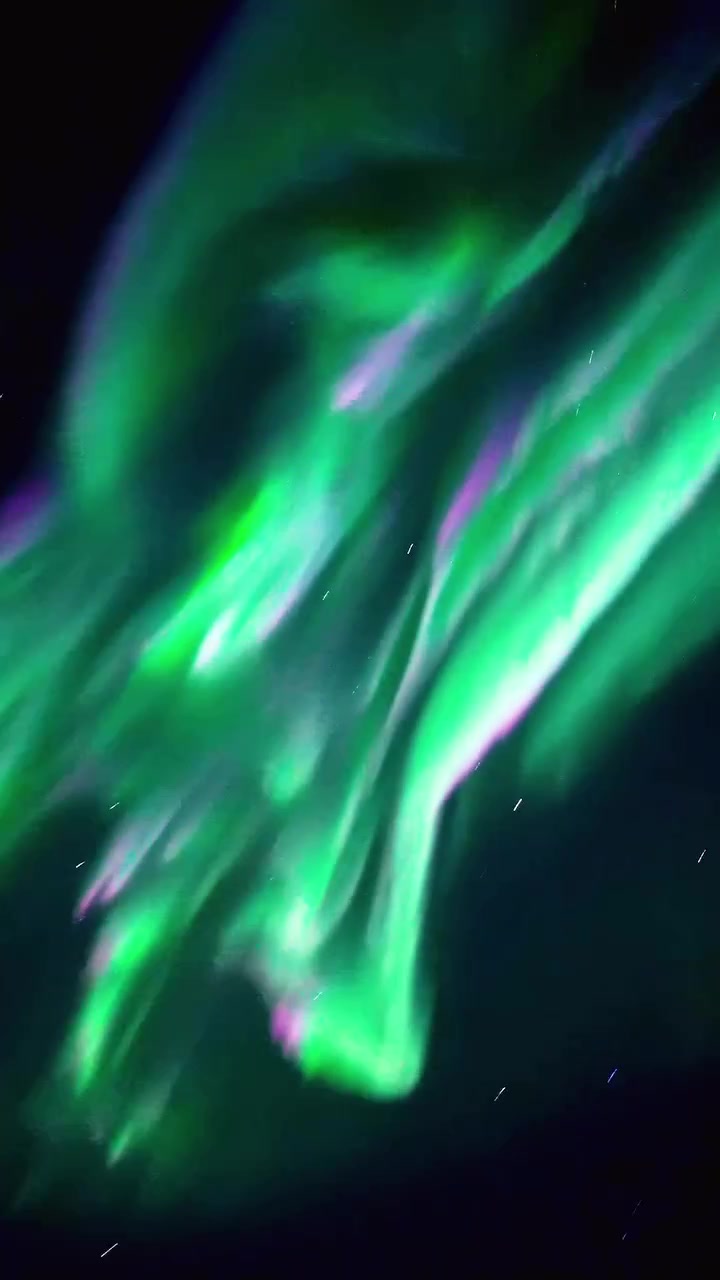
Green Light Symphony of the Night Sky
Nature's grandest light show unfurls in the northern sky. This mesmerizing celestial ballet is the Aurora Borealis, a dazzling show of green and purple lights that undulate and shift through the night. As viewers know, the Aurora Borealis is more than just a natural phenomenon — it's a vivid, ethereal display in the night sky. Whilst there are different varieties of light displays, the Aurora Borealis exemplifies the dazzling beauty of nature.
Embracing The Green Light Show
Viewers describe the Aurora Borealis as a dynamic, ethereal visual effect. Where does it come from? The light display happens when the Sun ejects plasma, or charged particles, and Earth's magnetic field funnels these toward the poles. As the charged particles interact with the gases in Earth's atmosphere, they emit light, which is known as the Aurora Borealis. The dance of the lights is a distinctive feature of the Aurora. It's a subtle mixture of green and purple hues. Though the otherworldly beauty can be mesmerizing. The green light is the most common color seen in the Aurora, and is caused by oxygen gas. The purple color, however, is less common and is produced by nitrogen. Aurora's colors are not limited to green and purple, however. At times, red and yellow hues can also be seen. The red hues are also due to oxygen, while the yellow hues are produced by a mix of oxygen and nitrogen gases. The variation in colors is what makes the Aurora Borealis a visually appealing phenomenon.
The Beauty Within The Swirling Colors
Auroras are most visible in the high-latitude regions near the Arctic and Antarctic. This is due to the fact that the Earth's magnetic field is weaker in these regions, allowing more charged particles to reach the atmosphere. The light display is a beautiful reminder of the power of nature and the delicate balance that exists in our world. This light display is not only beautiful but also informative. The Aurora Borealis can provide valuable information about the Earth's magnetic field and the Sun's activity. By studying these lights, scientists may be able to better understand and predict space weather, which can have significant impacts on Earth, such as disrupting satellite communications and power grids.
From Space Weather to The City Lights
Though some may travel to see the glow of the Aurora, there are alternatives to consider. Some cities have seen increasing levels of light pollution, which can make it difficult to see the natural glow of the Aurora. This can make the natural display difficult to enjoy. In these situations, some may choose to visit areas with dark skies for better viewing. These include areas such as national parks or rural locations.
The Importance of Area and Timing
The timing of the Aurora's appearance is also something to consider. The best time to see the Aurora Borealis is during the winter months. This is due to the fact that the nights are longer and darker, providing a better backdrop for the lights to be seen. Additionally, the Aurora is more likely to be visible on clear, dark nights, so checking the local weather forecast can be important. Seasoned Aurora viewers know this spectacle will appear in various forms. Sometimes, the lights may appear as a faint glow, while other times, they may be a brilliant display of light. The lights can also take on different shapes, such as arcs, curtains, or even rays. Reviewers enjoy the dance of the lights, as it can make for a truly memorable experience.
The Aurora's Cultural Significance
Many different cultures have different beliefs about the Aurora. Some believe that it is the spirits of their ancestors, while others see it as a sign of good fortune. Still, others believe that the Aurora is a messenger from the gods. For example, the Inuit people of Alaska believe that the Aurora is the spirits of their ancestors playing a game of football with a walrus skull. On the other hand, some Native American tribes believe that the Aurora is a sign of good fortune and that it brings healing and protection.
Plan Ahead For The Aurora's Glowing Dance
Intrepid explorers know the Aurora is something to experience firsthand. If you're planning a trip to see the Aurora Borealis, timing is everything. The lights are best viewed on clear, dark nights, so check the weather forecast and plan accordingly. However, there are a few things that you can do to prepare. First, research the best viewing spots in the area. This will help you get to the optimal position for a clear view. Next, make sure to dress warmly, as the nights can be cold.
Be Prepared For The View
- Camera Gear: What's worth nothing is that the Aurora moves quickly, so a camera with a fast shutter speed is ideal. A sturdy tripod is also recommended, as it will help keep your camera steady during long exposures.
- Clothing: Dress in layers and bring warm clothing, as the nights can be cold. Consider bringing a thermos of hot coffee or tea to keep you warm while you wait for the lights to appear.
- Timing: Plan your trip during the winter months, as this is when the nights are longer and darker, and the Aurora is more likely to be visible.
Questions readers ask
What causes the Aurora Borealis to be green and purple?
The Aurora Borealis displays green and purple colors due to the interaction of charged particles from the Sun with gases in Earth's atmosphere. Green light is produced by oxygen, while purple light is created by nitrogen. Other colors like red and yellow can also appear, depending on the gases involved and the altitude at which the interaction occurs.
Why are Aurora Borealis lights more visible in the northern regions?
Aurora Borealis is more visible in high-latitude regions near the Arctic because Earth's magnetic field is weaker there, allowing more charged particles to reach the atmosphere. This results in a more intense and frequent display of the lights.
Can I see the Aurora Borealis in a city with a lot of light pollution?
Viewing the Aurora Borealis can be challenging in cities with high light pollution. To get a clear view, it's recommended to travel to areas with dark skies, such as national parks or rural locations. These places offer the best conditions for observing the natural glow of the Aurora.
When is the best time to see the Aurora Borealis?
The best time to see the Aurora Borealis is during the winter months, when nights are longer and darker, providing a better backdrop for the lights. Additionally, clear and dark nights offer the optimal viewing conditions, so checking the local weather forecast is important.
Are there any other colors in the Aurora besides green and purple?
While green and purple are the most common colors, the Aurora Borealis can also display red and yellow hues. These colors are produced by a mix of oxygen and nitrogen gases at different altitudes, adding to the visual appeal of the phenomenon.
Related deep dives
Similar reads based on topic and creator.


Recent articles
Fresh deep dives from the latest Reels we unpacked.


Comments
Be the first to comment.