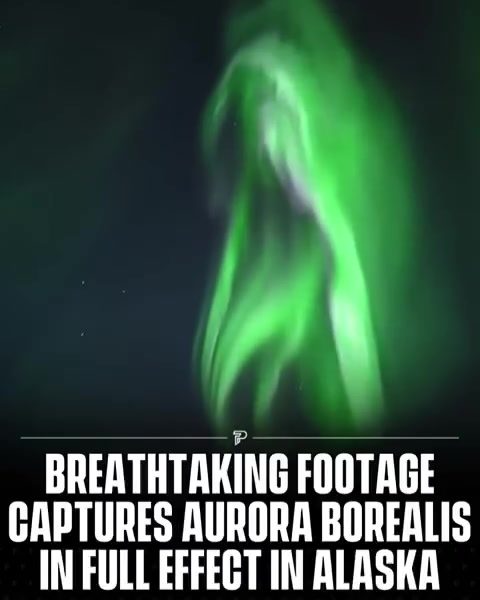
Aurora Borealis in Alaska
The Aurora Borealis, also known as the Northern Lights, is a natural light display that illuminates the night sky with a mesmerizing dance of vibrant colors. In Alaska, this phenomenon takes on a particularly dramatic and breathtaking form, captivating viewers with its dynamic and ever-changing beauty.
Why This Matters
Alaska is one of the premier destinations to witness the Aurora Borealis. Its location beneath the "Auroral Oval" makes it an ideal spot to observe this celestial phenomenon. The Northern Lights are not only a stunning visual spectacle but also a reminder of the Earth's unique position in the solar system and the interplay between the sun and our planet's magnetic field. Understanding and appreciating the Aurora Borealis enhances our connection to the natural world and provides a sense of awe and wonder.
The Science Behind the Phenomenon
Solar Wind and Earth's Magnetic Field
The Aurora Borealis is the result of solar wind, a stream of charged particles ejected from the sun, interacting with Earth's magnetic field. These particles, primarily electrons and protons, are funneled toward the polar regions by the magnetic field, where they collide with gas molecules in the Earth's atmosphere. The energy from these collisions excites the gas molecules, causing them to emit light.
Different Colors and What They Mean
The colors of the Aurora Borealis depend on the type of gas molecules involved and the altitude at which the collision occurs. Oxygen molecules produce the most common colors: green, which is visible at altitudes up to 150 miles, and red, which appears at altitudes above 150 miles. Nitrogen molecules produce blue and purplish hues.
Capturing the Aurora Borealis
Best Times and Locations
In Alaska, the best times to view the Aurora Borealis are typically from late autumn to early spring, when the nights are longest and darkest. The northern regions of the state, such as Fairbanks and Barrow, offer some of the best viewing opportunities due to their proximity to the Arctic Circle. However, even in more southern parts of Alaska, like Anchorage, the Aurora can be seen on clear nights.
Equipment and Techniques
Photographing the Aurora Borealis requires some specialized equipment and techniques. A sturdy tripod is essential for keeping the camera steady during long exposures. A camera with manual settings, such as a DSLR or mirrorless camera, allows for precise control over shutter speed, aperture, and ISO. Wide-angle lenses are ideal for capturing the expansive sky, and a remote shutter release helps to minimize camera shake.
Settings and Tips
- Shutter Speed: Long exposures, typically ranging from 15 to 30 seconds, are necessary to capture the movement and intensity of the lights.
- Aperture: A wide aperture (low f-number) allows more light to enter the camera, which is crucial for night photography.
- ISO: Higher ISO settings, such as 1600 or 3200, are often used to achieve the necessary sensitivity to light, but be mindful of the potential for increased noise.
- Focus: Manual focus is recommended, with the lens set to infinity to ensure sharp images of the distant aurora.
Practical Tips for Viewing and Photographing the Aurora
Planning Your Trip
When planning a trip to Alaska to see the Aurora Borealis, consider the following:
- Weather Conditions: Clear skies are essential for viewing the aurora. Monitor weather forecasts and choose nights with minimal cloud cover.
- Light Pollution: Get away from city lights to fully appreciate the brilliance of the aurora. Remote areas offer the darkest skies and the best viewing conditions.
- Patience and Flexibility: The aurora can be unpredictable, so be prepared to wait and stay flexible with your plans.
Photographing the Aurora
- Scout the Location: Arrive at your chosen location well before sunset to familiarize yourself with the area and set up your equipment.
- Compose Your Shot: Use natural foreground elements, such as trees or mountains, to add depth and context to your photos.
- Experiment with Settings: Don't be afraid to adjust your settings to capture different aspects of the aurora, such as its movement or color variations.
Important Takeaways
The Aurora Borealis in Alaska is a majestic natural phenomenon that offers a unique and awe-inspiring experience. Whether you're a casual viewer or an avid photographer, witnessing the Northern Lights can be a transformative experience. From understanding the science behind the spectacle to planning your trip and capturing the perfect shot, there's always something new to discover and appreciate about this celestial display.
Conclusion
The Aurora Borealis in Alaska is a testament to the beauty and wonder of the natural world. Whether you're standing in awe beneath the dancing lights or capturing their glory through a lens, the Northern Lights offer a profound connection to the mysteries of the universe. With the right planning, equipment, and a bit of luck, anyone can experience the magic of the Aurora Borealis in Alaska.
Questions readers ask
What makes Alaska an ideal location to see the Aurora Borealis?
Alaska's position beneath the Auroral Oval makes it one of the best places to see the Northern Lights. This location offers clear views of the aurora's vibrant display, as it often appears directly overhead or to the north, creating a spectacular show.
When is the best time to see the Northern Lights in Alaska?
The best time to view the Aurora Borealis in Alaska is during the winter months, from late August to mid-April. This period offers long, dark nights, which provide the ideal conditions for viewing the lights. However, the peak viewing times are typically from September to April.
What causes the Aurora Borealis to occur?
The Aurora Borealis is caused by the interaction between the sun's charged particles and Earth's magnetic field. These particles are drawn toward the polar regions, where they collide with gas molecules in our atmosphere, transferring energy and creating the vibrant, dancing lights that we see.
What are some good places to go for an Aurora Borealis tour in Alaska?
Fairbanks is renowned for its Aurora Borealis tours, offering numerous guided experiences. Other notable locations include Denali National Park, which provides a remote and dark sky experience, and Seward, which offers both tours and cruises to view the lights.
Can I see the Northern Lights from everywhere in Alaska?
While the entire state of Alaska offers opportunities to see the Northern Lights, some areas provide better viewing conditions. Locations away from city lights and with clear, unobstructed views of the northern horizon are ideal. Popular spots include Fairbanks, Denali National Park, and remote areas of the state.
What should I pack for an Aurora Borealis viewing experience in Alaska?
When preparing for an Aurora Borealis viewing experience, pack warm clothing, including a thermal base layer, insulated jacket, gloves, and a hat. Additionally, bring a camera with a tripod for capturing long-exposure photos, and have snacks and a thermos with a warm beverage to stay fueled and hydrated while waiting for the lights to appear.
Related deep dives
Similar reads based on topic and creator.




Recent articles
Fresh deep dives from the latest Reels we unpacked.



Comments
Be the first to comment.