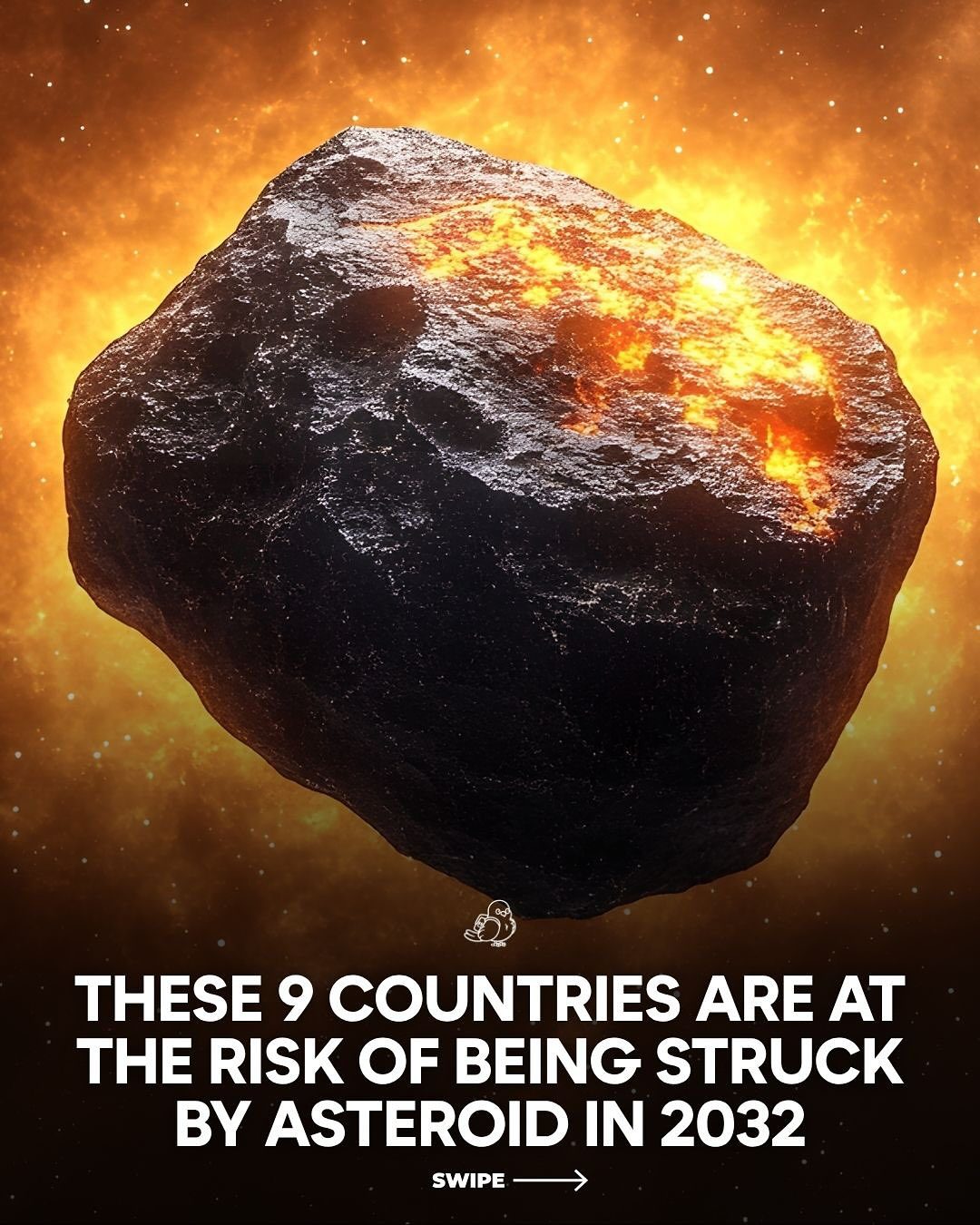
Asteroid Risk and Countries
Asteroids have long captivated our imagination, but their potential to strike Earth is a serious consideration for scientists and governments worldwide. Recent reports highlight that nine countries are at heightened risk of an asteroid impact in 2032. These countries span multiple continents, including densely populated regions in South Asia, Africa, and South America.
Why This Matters
Asteroids pose a unique threat due to their unpredictable nature and the potential for significant damage. Even a minor impact can cause severe local damage, disrupt communication systems, and trigger widespread panic. The monitoring and deflection of asteroids are critical for global safety, and the recent findings underscore the necessity of coordinated international efforts.
Main Discussion
Countries at Risk
The nine countries most at risk of being struck by an asteroid in 2032 are spread across different parts of the world. These countries include:
- India
- Pakistan
- Bangladesh
- Ethiopia
- Sudan
- Nigeria
- Venezuela
- Colombia
- Ecuador
Geographic and Demographic Considerations
The identified countries are diverse in terms of geography and demographics. South Asia, with its high population density, poses a significant concern. Countries like Bangladesh and India have large populations living in areas that could be severely affected by an asteroid impact. Similarly, densely populated regions in Africa and South America, such as Ethiopia and Venezuela, are also at risk. The potential for widespread damage and loss of life is a critical factor in these regions.
Scientific Monitoring and Preparedness
Scientists and international space agencies are closely monitoring the trajectory of the asteroid. The probability of a direct collision remains low, but the potential impact is severe enough to warrant serious attention. International cooperation is crucial in this endeavor, as it ensures that all nations have the necessary resources and knowledge to respond effectively.
Deflection Research and Preparedness
One of the key measures being taken is the enhancement of asteroid deflection research. Space agencies around the world are researching and developing technologies to deflect asteroids, ensuring that if a collision becomes imminent, there are measures in place to mitigate the impact.
Regional and Global Implications
Given the global implications of an asteroid impact, preparedness measures are being ramped up. These measures include early detection systems, communication protocols, and disaster readiness plans. The goal is to minimize potential threats and ensure that all nations are prepared for even the most unlikely cosmic events.
Practical Tips
If you live in one of the countries at risk, or are simply interested in being prepared for any potential cosmic event, consider the following tips:
Stay Informed
- Follow reliable sources: Stay updated on the latest scientific findings and government advisories.
- Know the signs: Learn about the early warning signs of potential asteroid impacts and how to recognize them.
Be Prepared
- Emergency kits: Prepare emergency kits with essentials like food, water, first-aid supplies, and a portable radio.
- Emergency plans: Develop and practice emergency plans with your family, including evacuation routes and safe spots.
Participate in Community Efforts
- Community drills: Participate in community disaster preparedness drills and workshops.
- Local resources: Familiarize yourself with local resources and support systems in case of an emergency.
Important Takeaways
Asteroid impacts, while rare, can have devastating consequences. The international community's efforts to track and deflect asteroids are essential for global safety. Understanding the risks and being prepared can make a significant difference in mitigating potential damage.
Conclusion
The risk of an asteroid impact in 2032 is a reminder of the importance of global cooperation and preparedness. By staying informed, being prepared, and participating in community efforts, we can better protect ourselves and our communities from potential cosmic threats. While the risk is low, the potential impact is high, underscoring the importance of ongoing research and preparedness measures.
Questions readers ask
Which countries are most at risk of an asteroid impact by 2032?
Nine countries are identified as being at heightened risk of an asteroid impact by 2032. These include India, Ethiopia, and Venezuela, among others, with the impact potentially affecting densely populated regions in South Asia, Africa, and South America.
What makes asteroids a significant threat to these regions?
Asteroids pose a significant threat due to their unpredictable nature and the potential for causing severe local damage, widespread panic, and disruption of communication systems. The densely populated nature of the regions at risk amplifies these concerns.
How are scientists responding to the heightened asteroid risk?
Scientists worldwide are closely monitoring the situation, and they emphasize the need for global cooperation and preparedness. This monitoring is crucial for tracking the paths of potentially hazardous asteroids and developing strategies to mitigate any risks.
What is the global significance of the asteroid impact risk by 2032?
The global significance lies in the need for coordinated international efforts to monitor and potentially deflect asteroids, ensuring the safety of affected regions and the world at large. This includes sharing data and resources to enhance preparedness and response capabilities.
Why is the asteroid impact threat in densely populated areas particularly concerning?
Densely populated areas are particularly concerning because an asteroid impact could result in significant loss of life and extensive damage to infrastructure. The concentration of people and infrastructure in these regions increases the potential for widespread devastation.
What kind of monitoring is being conducted to assess the asteroid impact risk?
Scientists are utilizing advanced tracking systems and telescopes to monitor the movements of asteroids. This involves precise calculations of their trajectories to predict potential impacts and to develop deflection strategies, if necessary.
What steps can countries take to prepare for potential asteroid impacts?
Countries can take several steps, including developing early warning systems, establishing emergency response plans, and conducting public awareness campaigns. Additionally, international cooperation is essential for sharing data and best practices to enhance preparedness and response capabilities.
Related deep dives
Similar reads based on topic and creator.


Recent articles
Fresh deep dives from the latest Reels we unpacked.




Comments
Be the first to comment.