Asphalt Paving and Its Unique Properties
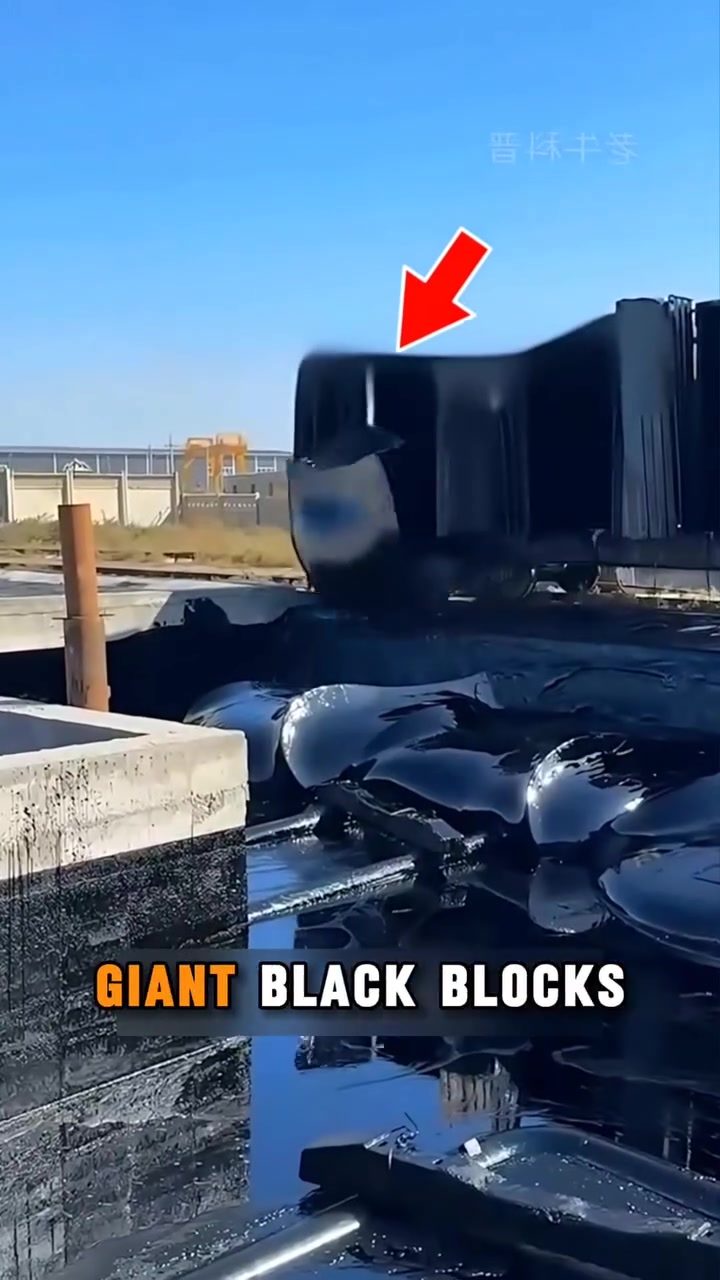
Asphalt is a versatile construction material that plays a crucial role in building and maintaining roads, runways, and waterproofing structures. But did you know that those solid black blocks, often seen in the paving process, are actually a type of liquid? This article delves into the unique properties of asphalt, its applications, and the intricacies of the paving process.
Why This Matters
Asphalt is ubiquitous in modern infrastructure, providing durable and flexible surfaces for various applications. Understanding its properties and the paving process is essential for appreciating the engineering behind our roads and other structures. Whether you're a construction professional or simply curious about the world around you, knowing more about asphalt can offer valuable insights.
The Science of Asphalt
Composition and Properties
At room temperature, asphalt appears solid and tough, capable of withstanding the weight of heavy trucks and even breaking glass. However, it's crucial to remember that asphalt is fundamentally a liquid, albeit one that flows extremely slowly. This unique property allows it to act like a powerful glue, binding roadstones together while remaining flexible enough to handle temperature changes and absorb the impact of heavy traffic.
Asphalt is derived from crude oil as the final residue left after the refining process. Its ability to transform from a solid to a liquid state when heated to around 150 degrees Celsius makes it an ideal material for paving. This transformation allows it to be easily spread and compacted, ensuring a smooth and durable surface.
Transport and Storage
After being refined and heated, asphalt is stored in large drums while it's still hot. Each drum can hold hundreds of kilograms, making it safe and efficient for long-distance shipping. When needed, the asphalt is simply reheated and melted, ready to be used in various projects around the world.
The Paving Process
From Drum to Road
The paving process begins with the transportation of heated asphalt drums to the construction site. Once on-site, the asphalt is poured into a large paver, which spreads and compacts the material to create a smooth, even surface.
The asphalt paver is a critical piece of equipment in this process. It ensures that the asphalt is laid down to the correct thickness and density, creating a durable and long-lasting surface. The paver is typically followed by a compactor, which further compresses the asphalt to remove any air pockets and ensure a solid, uniform surface.
Workers and Machinery
The paving process involves a team of skilled workers and specialized machinery. Workers are responsible for operating the paver and compactor, as well as monitoring the quality of the asphalt being laid. They must work quickly and efficiently to ensure that the asphalt is spread and compacted before it cools and hardens.
Practical Tips for Asphalt Paving
Preparation is Key
Before beginning the paving process, it's essential to ensure that the site is properly prepared. This includes clearing any debris, grading the surface, and ensuring that the subbase is stable and well-compacted. Proper preparation helps to create a smooth, even surface and ensures that the asphalt will bond effectively with the subbase.
Temperature Control
Controlling the temperature of the asphalt is crucial during the paving process. If the asphalt is too hot, it can become difficult to work with and may result in an uneven surface. On the other hand, if it's too cold, it may harden too quickly, making it difficult to achieve the proper compaction.
Proper Compaction
Compaction is a critical step in the paving process. Proper compaction ensures that the asphalt is dense and free of air pockets, creating a smooth, durable surface. The asphalt should be compacted to at least 92% of its maximum theoretical density to achieve the best results.
Important Takeaways
The Versatility of Asphalt
Asphalt's unique properties make it an ideal material for a wide range of applications, from road construction to waterproofing. Its ability to withstand heavy traffic, absorb impact, and handle temperature changes makes it a popular choice for both commercial and residential projects.
The Importance of Proper Paving Techniques
The success of an asphalt paving project depends on several factors, including proper site preparation, temperature control, and compaction. By following best practices and using the right equipment, it's possible to create durable, long-lasting surfaces that will stand up to the test of time.
Conclusion
Asphalt is more than just a solid black block—it's a versatile and essential material in construction. Understanding its properties and the paving process can help you appreciate the engineering behind modern infrastructure. Whether you're involved in a paving project or simply curious about the world around you, knowing more about asphalt can offer valuable insights and a deeper appreciation for the foundations of our built environment.
Questions readers ask
What are the main components of asphalt?
Asphalt is primarily composed of bitumen, a sticky, black, and highly viscous liquid or semi-solid form of petroleum. It also contains aggregates like sand, gravel, and crushed stone, which are bound together by the bitumen to create a durable and flexible surface.
Why is asphalt preferred over concrete for certain applications?
Asphalt is preferred for its flexibility, which allows it to withstand heavy traffic and temperature changes without cracking. It also takes less time to install and generally costs less than concrete, making it a practical choice for many infrastructure projects.
What are the black blocks seen during the asphalt paving process?
The black blocks seen during the paving process are actually hot mix asphalt, which is a liquid at high temperatures. These blocks are placed and compacted to create a smooth, durable surface. The liquid nature of asphalt at high temperatures allows it to bind aggregates together effectively while it cools.
How does the temperature affect the paving process?
Temperature plays a crucial role in asphalt paving. Asphalt needs to be heated to a high temperature to become a liquid for easy handling and compaction. Once laid, it needs to cool slowly to ensure proper binding and durability. The optimal temperatures typically range between 275°F and 300°F (135°C and 150°C) during the paving process.
What are the benefits of asphalt's binding properties?
Asphalt's binding properties allow it to adhere to various surfaces, including aggregates and underlying layers, creating a cohesive and durable structure. This ensures that the paving surface remains intact and resilient under heavy traffic and varying weather conditions.
Can asphalt paving be done in cold weather?
Paving with asphalt in cold weather can be challenging because the material needs to be kept at a high temperature to remain liquid. However, it is possible with proper precautions, such as using heated mix storage and paving equipment, as well as ensuring the surface and ambient temperatures are within an acceptable range for compaction.
What makes asphalt surfaces durable?
Asphalt surfaces are durable due to their flexibility and the strong bond between the bitumen and aggregates. This combination allows the surface to withstand heavy traffic and temperature changes without cracking or breaking. Proper installation and maintenance, such as regular sealing and filling cracks, further enhance its durability.
Recent articles
Fresh deep dives from the latest Reels we unpacked.




Comments
Be the first to comment.