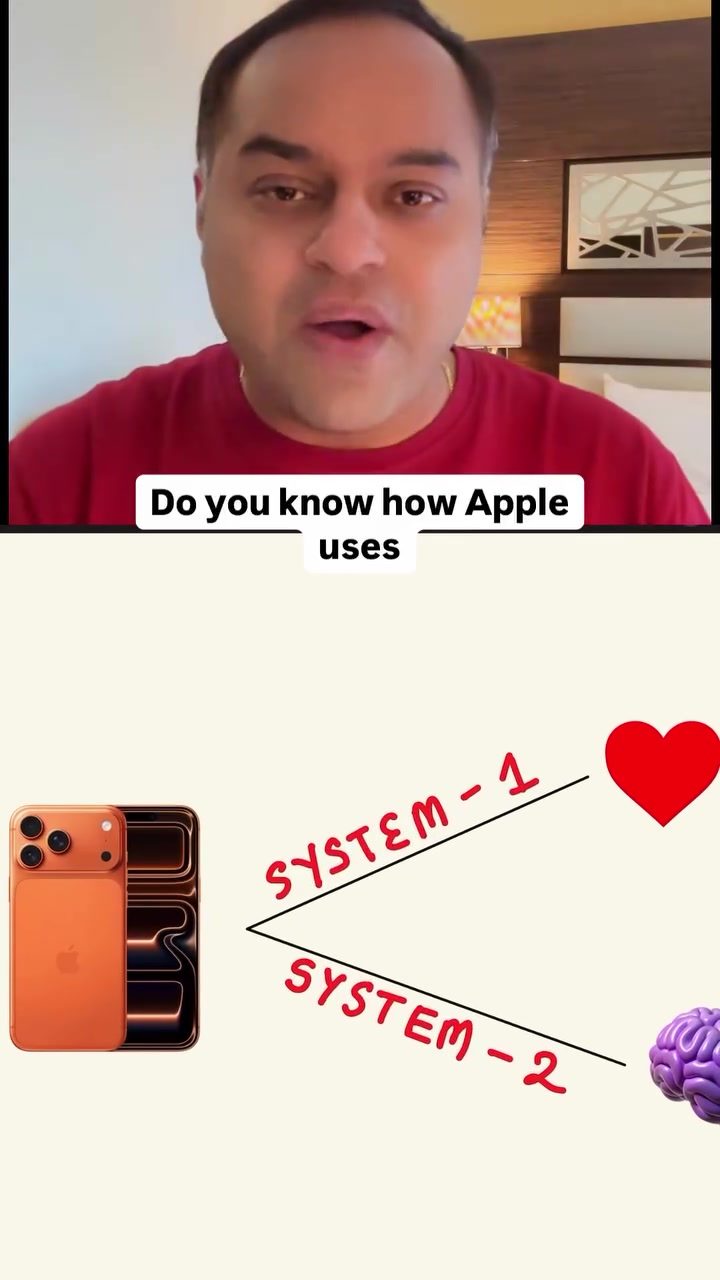
Apple's Marketing Strategies: System 1 and System 2 Thinking
Apple has long been a master of marketing, using a combination of fast, emotional appeals and slow, rational justifications to sell their iPhones. This approach is based on two systems of thinking, System 1 and System 2, which can be applied to any brand or product to create a compelling marketing strategy.
Why Apple's Framework Matters
Understanding how Apple uses these systems of thinking is crucial for any brand looking to create a strong marketing strategy. In the fast-paced world of smartphones, capturing the attention of consumers and making them fall in love with your product is the key to success. Apple excels at this by creating an emotional connection with consumers, making them want the product instinctively. This is where System 1 thinking comes into play.
System 1 Thinking: Emotional and Instinctive
System 1 thinking is about fast, emotional, and instinctive responses. Apple leverages this by focusing on lifestyle and belongingness. When Apple launches a new iPhone, they create a cinematic experience with dramatic shots, music, and slow pans. This instant "wow" effect grabs attention and creates an emotional connection. They don't start with specifications, but rather showcase the sleek edges, colors, and slimness of the iPhone, allowing the audience to fall in love with the design before diving into the details.
Apple also emphasizes how the iPhone improves people's lives, highlighting security, prestige, and the overall enhancement of daily experiences. This approach makes people want the iPhone on an instinctive level, tapping into their emotions and desires.
System 2 Thinking: Rational and Justifying
System 2 thinking, on the other hand, is about slow, rational, and justifying. Apple uses this system to provide the reasons why buying an iPhone makes sense. They focus on numbers, facts, and ecosystem lock-in, such as their chip, camera, battery life, safety features, and trade-in offers. They also highlight the ecosystem access of iOS and the use of recycled and renewable materials in making their iPhones. This approach gives consumers the logical reasons they need to justify their purchase to themselves and others.
Applying the Framework to Your Brand
Apple's marketing strategy can be applied to any brand or product by following a simple framework divided into three parts: hook, reassurance, and convert.
Hook
The hook is where you capture the audience's attention with design and storytelling. Just as Apple uses cinematic shots and music to create an instant emotional response, your brand should aim to make people feel something in under three seconds. This could be through a striking visual, an emotional narrative, or a unique design feature.
Reassurance
Reassurance is where you provide the data, features, guarantees, and comparisons that justify the purchase. Ask yourself what proof you are giving your audience to help them justify buying your product. This could include technical specifications, customer testimonials, or scientific evidence supporting your claims. Make sure your audience feels confident in their decision to buy.
Convert
The convert phase bridges the emotional hook and the rational reassurance. This is where you provide a simple checkout process, social proof, and other elements that make the purchase easy and seamless. Ensure that the emotional and logical aspects naturally flow into the final action, which is the purchase.
Practical Tips for Implementing the Framework
Hook
- Use Visuals and Music: Create a cinematic experience with your product launch. Use high-quality visuals and background music to evoke emotions.
- Storytelling: Share stories about how your product improves lives. People connect with stories more than specs.
- Design for Impact: Focus on the design elements that make your product stand out. Use sleek edges, vibrant colors, and innovative features to create an instant "wow" effect.
Reassurance
- Highlight Key Features: List the technical specifications, unique features, and benefits of your product.
- Use Data and Statistics: Provide data and statistics that back up your claims. This could include test results, customer satisfaction rates, or industry awards.
- Offer Guarantees: Offer guarantees and warranties to build trust and confidence in your product.
Convert
- Simple Checkout Process: Make the checkout process as easy and seamless as possible. Eliminate any unnecessary steps or complications.
- Social Proof: Use customer testimonials, reviews, and ratings to build credibility and trust.
- Clear Calls to Action: Make it clear what the next step is and guide your audience through the purchasing process.
Important Takeaways
Apple's marketing strategy is a masterclass in combining emotional appeal with rational justification. By creating an instant emotional connection and then providing the logical reasons to justify the purchase, Apple ensures that consumers fall in love with their iPhones and feel confident in their decision to buy.
Conclusion
By understanding and applying the System 1 and System 2 thinking frameworks, any brand can create a compelling marketing strategy. Focus on capturing attention with an emotional hook, providing reassurance with logical reasons, and making the purchasing process easy and seamless. This approach will help your brand create a strong emotional connection with consumers and make them feel confident in their decision to buy.
Questions readers ask
What are System 1 and System 2 thinking, and how does Apple use them in marketing?
System 1 thinking is fast, automatic, and intuitive, while System 2 thinking is slow, deliberative, and logical. Apple first engages consumers with System 1 by evoking emotions through stunning visuals and compelling storytelling. Then, they support this emotional appeal with System 2 by providing rational reasons, such as product features and benefits, to reinforce the desire for their products.
How does Apple create an emotional connection with consumers?
Apple uses cinematic product shots, sleek design, and inspiring narratives to evoke strong emotions. This approach taps into consumers' aspirations and desires, making them instinctively want Apple products. By creating a strong emotional bond, Apple makes its products highly desirable and fosters long-term brand loyalty.
What role do rational justifications play in Apple's marketing strategy?
Rational justifications, or System 2 thinking, are crucial for Apple's marketing strategy. After capturing consumers' hearts with emotional appeals, Apple uses logical reasons, such as innovative features, superior performance, and seamless integration of their ecosystem, to support the initial emotional connection. This combination makes the purchasing decision more convincing and compelling.
Why is understanding Apple's marketing framework beneficial for other brands?
Apple’s marketing framework, which combines emotional and rational appeals, can be adapted by any brand. By first creating an emotional connection and then providing logical reasons for a purchase, brands can effectively capture consumers' attention and drive desire for their products. This strategy helps brands stand out in competitive markets.
How can brand storytelling enhance a marketing strategy, as seen in Apple's approach?
Brand storytelling is a potent tool in Apple's marketing arsenal, as it helps create an emotional bond with consumers. By weaving narratives that resonate with consumers' aspirations and desires, Apple makes their products more than just devices; they become symbols of innovation, creativity, and status. This emotional connection, along with rational justifications, makes Apple products highly appealing.
What are some examples of how Apple uses visuals and design in their marketing to appeal to System 1 thinking?
Apple often employs high-quality, cinematic product shots and clean, minimalist design in their marketing materials. These visual elements quickly capture attention and evoke emotions, making the products look sleek, modern, and desirable. By appealing to System 1 thinking, Apple ensures that consumers are instantly drawn to their products before delving into the rational benefits.
How does Apple's approach to marketing differ from other brands, and why is it effective?
Unlike many brands that rely solely on rational arguments or emotional appeals, Apple masterfully combines both. This dual approach allows Apple to create a strong emotional bond with consumers while also providing practical reasons for purchase. This balanced strategy makes Apple's marketing particularly effective, as it caters to both the instinctual and logical aspects of consumer decision-making.
Recent articles
Fresh deep dives from the latest Reels we unpacked.




Comments
Be the first to comment.