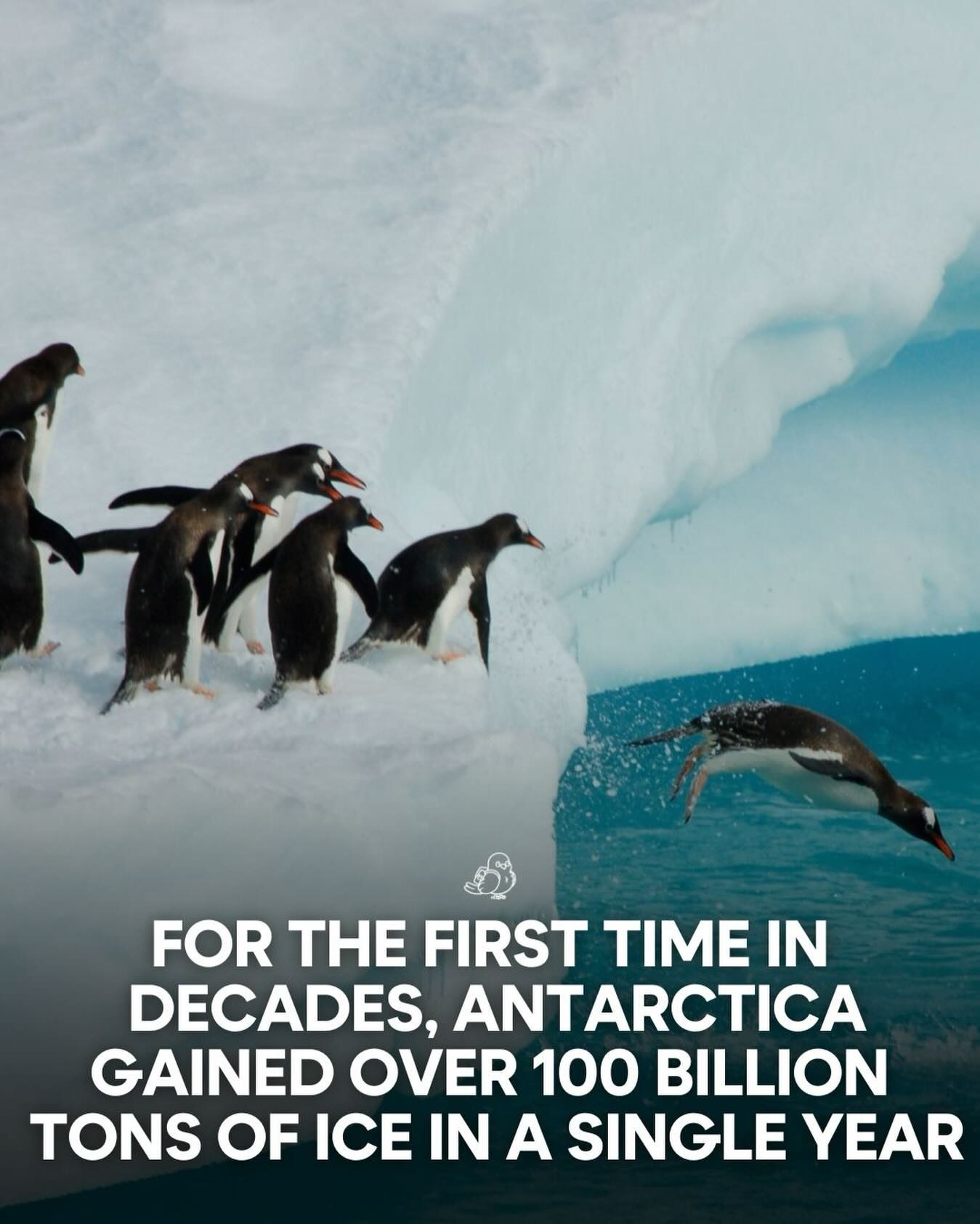
Antarctica Ice Gain
While Antarctica's ice loss has been a major focal point in climate discussions, a recent phenomenon stands out: Antarctica recorded a net gain of over 100 billion tons of ice in a single year.
This marks the first time in decades that the continent has seen such an increase. This short-term gain was driven by unusually high snowfall, though it is essential to note that this does not signify a reversal of the long-term ice loss trend. Overall, Antarctica continues to experience ice loss due to climate change.
Context: Why This Matters
Antarctica, the earth's largest ice sheet, plays a crucial role in regulating global sea levels. Understanding the dynamics of ice gain and loss in Antarctica is vital for predicting future climate impacts and sea-level rise. The recent ice gain, although temporary, highlights the complexity of Antarctica's climate system.
The Role of Snowfall
Antarctica's ice sheet dynamics are primarily influenced by two factors: snowfall and melting. The recent ice gain can be attributed to unusually high snowfall. This increased snowfall, however, is not indicative of a long-term trend. Climate models suggest that rising temperatures will continue to drive ice loss in the future, despite short-term fluctuations.
The Long-Term Trend
While the recent ice gain is noteworthy, it is crucial to consider the broader context. The long-term trend in Antarctica shows a net loss of ice, contributing to global sea-level rise. The Intergovernmental Panel on Climate Change (IPCC) has warned that the rate of ice loss in Antarctica has increased over the past few decades, posing a significant threat to coastal communities worldwide.
The Impact on Penguins
Penguins, the iconic inhabitants of Antarctica, are also affected by the changing ice dynamics. The recent ice gain might provide temporary relief, but the long-term loss of ice poses significant challenges. Penguins rely on sea ice for hunting, breeding, and molting. Disruptions in the ice sheet can lead to habitat loss and affect the penguin population.
Antarctic Ice Gain Does Not Signal Reversal
The recent ice gain must not be misinterpreted as a sign that Antarctica's ice loss has reversed. Antarctica's climate is highly dynamic, and short-term fluctuations are common. However, long-term trends indicate that the continent continues to lose significant amounts of ice.
Practical Tips for Understanding Climate Change
Understanding the dynamics of ice gain and loss in Antarctica can be complex. Here are some tips to help you stay informed:
1. Follow Scientific Sources
Rely on credible scientific sources for information on climate change and polar dynamics. The IPCC, the National Snow and Ice Data Center (NSIDC), and other reputable organizations provide accurate and up-to-date information.
2. Understand the Difference Between Short-Term and Long-Term Trends
Climate change is a long-term phenomenon. Short-term fluctuations, such as the recent ice gain, do not negate the overall trend of global warming and ice loss.
3. Stay Informed About Polar Dynamics
Antarctica's climate is influenced by various factors, including ocean currents, atmospheric conditions, and human activities. Staying informed about these dynamics can help you better understand the broader context of climate change.
Important Takeaways
Understanding the recent ice gain in Antarctica provides valuable insights into the continent's dynamic climate. However, it is critical to recognize that this short-term phenomenon does not indicate a reversal of the long-term ice loss trend. By staying informed and relying on credible scientific sources, you can better grasp the complexities of climate change and its impacts on the polar regions.
The recent ice gain in Antarctica underscores the importance of monitoring and understanding the continent's dynamic climate. While this phenomenon is noteworthy, it is essential to recognize that Antarctica continues to experience significant ice loss, contributing to global sea-level rise. By staying informed and relying on credible scientific sources, you can better grasp the complexities of climate change and its impacts on the polar regions.
Conclusion
The recent ice gain in Antarctica, driven by unusually high snowfall, is a fascinating phenomenon. However, it is crucial to recognize that this short-term increase does not signal a reversal of the long-term ice loss trend. By understanding the dynamics of Antarctica's climate and staying informed about the broader context, you can better grasp the complexities of climate change and its impacts on the polar regions.
Questions readers ask
What caused the recent net gain of ice in Antarctica?
The recent net gain of over 100 billion tons of ice in Antarctica was primarily due to unusually high snowfall. This increase is a temporary phenomenon and does not indicate a long-term change in the continent's ice trends.
Does this ice gain reverse the effects of climate change in Antarctica?
No, the recent ice gain does not reverse the overall ice loss trend in Antarctica driven by climate change. While the snowfall is a temporary increase, the long-term effects of climate change continue to cause significant ice loss.
How does Antarctica's ice affect global sea levels?
Antarctica's ice sheet is the largest on Earth and plays a critical role in regulating global sea levels. Changes in Antarctica's ice, whether gain or loss, can significantly impact sea levels worldwide.
What role does snowfall play in Antarctica's ice trends?
Snowfall is a key factor in Antarctica's ice trends. High snowfall can lead to temporary ice gains, as seen in the recent surge. However, the overall trend is influenced by various factors, including temperature and ocean currents, which contribute to ice loss.
How do climate change and recent ice gain impact Antarctic wildlife, such as penguins?
While the recent ice gain does not significantly alter the long-term trends affecting Antarctic wildlife, climate change continues to pose challenges. Changes in sea ice and temperature can impact penguin habitats and food sources, making it crucial to monitor these trends.
Related deep dives
Similar reads based on topic and creator.


Recent articles
Fresh deep dives from the latest Reels we unpacked.




Comments
Be the first to comment.