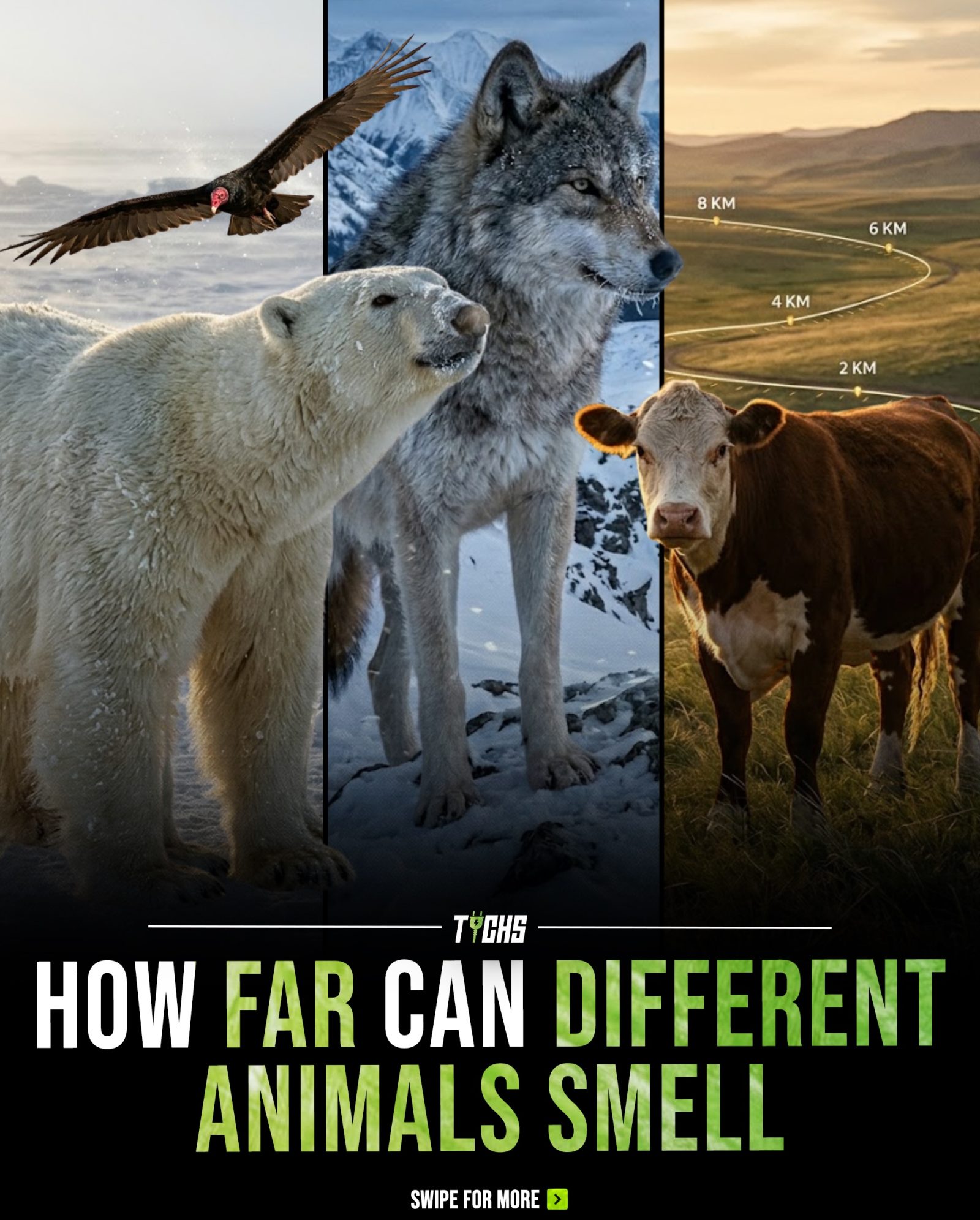
The Remarkable Sense of Smell in the Animal Kingdom
The animal kingdom is a testament to the power of adaptation, with many species possessing extraordinary senses. One of the most powerful and underappreciated tools in the animal world is the sense of smell, which allows creatures to survive, hunt, navigate, and find food over vast distances. From tracking scents to detecting water sources, the olfactory capabilities of animals far exceed those of humans, showcasing the remarkable ways in which different species have adapted to their environments.
Why Understanding Animal Smell Matters
The ability to detect and interpret scents is crucial for the survival of many animals. This sense is not just about detecting food or avoiding predators; it plays a vital role in communication, navigation, and even social behavior. For instance, dogs and wolves use their keen sense of smell to track prey and mark their territories. Elephants, on the other hand, can detect water sources from miles away, which is essential in arid environments.
The Science Behind Animal Olfaction
Vultures and Their Keen Sense of Smell
Vultures are renowned for their incredible olfactory capabilities. These scavengers can detect the scent of carrion from up to 1.6 miles (2.5 km) away. This ability is crucial for their survival, as it helps them locate food sources quickly and efficiently. Imagine being able to smell a meal from that distance—it's a remarkable feat that highlights the power of animal senses.
Cows and Their Impressive Smell Range
Cows are not typically associated with a strong sense of smell, but they can detect scents from up to 6 miles (10 km) away. This ability is particularly useful for grazing animals, as it helps them find the best patches of grass and avoid predators. The olfactory capabilities of cows are a testament to the diverse ways in which animals have adapted to their environments.
Polar Bears and Their Arctic Adaptations
Polar bears are another example of animals with exceptional olfactory senses. These apex predators can detect the scent of prey, such as seals, from great distances across the Arctic landscape. This ability is crucial for their survival in a harsh and challenging environment, where food sources can be scarce.
Wolves and Their Tracking Abilities
Wolves are known for their hunting prowess, and a significant part of this is due to their keen sense of smell. They can track scents for kilometers, which helps them locate prey and navigate through dense forests. This ability is essential for their social structure, as it allows them to work together as a pack to take down larger prey.
Practical Tips for Understanding Animal Smell
Understanding the sense of smell in animals can provide valuable insights into their behavior and ecology. Here are some practical tips for observing and appreciating this remarkable sense:
Observing Animal Behavior
Pay close attention to how animals use their sense of smell in their daily activities. For example, watch how a dog sniffs the ground or how a cat inspects a new environment. These behaviors provide clues about the importance of smell in their lives.
Learning from Experts
Consult with experts in the field of animal behavior and ecology. They can provide valuable insights into the role of smell in animal survival and how different species have adapted to their environments.
Exploring Different Environments
Visit different habitats and observe the animals that live there. Each environment presents unique challenges and opportunities, and understanding how animals use their sense of smell can provide a deeper appreciation for their adaptations.
Reading and Researching
Read books, articles, and scientific papers on animal behavior and ecology. This will help you gain a deeper understanding of the role of smell in animal survival and how it has shaped the evolution of different species.
Important Takeaways
The sense of smell is a powerful tool that many animals use to survive, hunt, navigate, and find food. From vultures detecting carrion from miles away to cows finding the best patches of grass, the olfactory capabilities of animals are truly remarkable. Understanding this sense can provide valuable insights into the behavior and ecology of different species, as well as a deeper appreciation for the diversity of life on Earth.
Conclusion
The animal kingdom is full of wonders, and the sense of smell is one of the most underappreciated yet crucial abilities that many species possess. By understanding how animals use their sense of smell, we can gain a deeper appreciation for their adaptations and the diverse ways in which they have evolved to thrive in their environments. Whether it's vultures finding food from miles away, cows detecting the best grazing spots, or polar bears tracking prey across the Arctic, the sense of smell is a testament to the remarkable capabilities of animals.
Questions readers ask
Which animals have one of the best sense of smell in the world?
Several animals are renowned for their exceptional sense of smell. These include the African elephant, which can detect water sources from miles away, and the bloodhound, known for its unparalleled tracking abilities. Other notable mentions are the polar bear, which can smell seals from over a mile away, and the vulture, which can detect carrion from great distances.
How do animals use their sense of smell for navigation?
Animals use their sense of smell for navigation in various ways. For instance, pigeons use their olfactory abilities to find their way home from distant locations, while some rodents use scent trails to navigate complex environments. Similarly, salmon can smell their way back to their natal streams to spawn.
Can animals really detect scents from miles away?
Yes, many animals have the remarkable ability to detect scents from miles away. For example, vultures can smell carrion from up to 10 miles away, and elephants can detect water sources from many kilometers. This ability is vital for their survival, helping them find food, water, and even mates.
What role does smell play in animal communication?
Smell plays a crucial role in animal communication. Many animals use pheromones, which are chemical signals, to convey information about their species, gender, and reproductive status. For example, dogs use scent marking to establish territory and signal their presence to other dogs. Additionally, insects like ants use pheromones to guide their colonies to food sources.
How do polar bears use their sense of smell for survival?
Polar bears have an extraordinary sense of smell, which is essential for their survival in the Arctic. They can detect the scent of seals from over a mile away, often leading them to breathing holes where seals come up for air. This ability is crucial for their hunting and feeding habits, as seals are a primary food source for polar bears.
Which animals can smell better than humans?
Many animals can smell better than humans. For instance, dogs can detect scents at concentrations nearly 100 million times lower than what a human can. Sharks can sense a single drop of blood in 25 gallons of water. Bears, especially grizzly and polar bears, have a sense of smell that is 2,100 times stronger than that of a human.
Why is the sense of smell important for animals' survival?
The sense of smell is vital for animals' survival as it helps them find food, avoid predators, and navigate their environments. It also plays a significant role in social interactions, such as mating and territorial marking. For many species, a keen sense of smell is as important as sight or hearing, enabling them to thrive in their habitats.
Related deep dives
Similar reads based on topic and creator.




Recent articles
Fresh deep dives from the latest Reels we unpacked.




Comments
Be the first to comment.