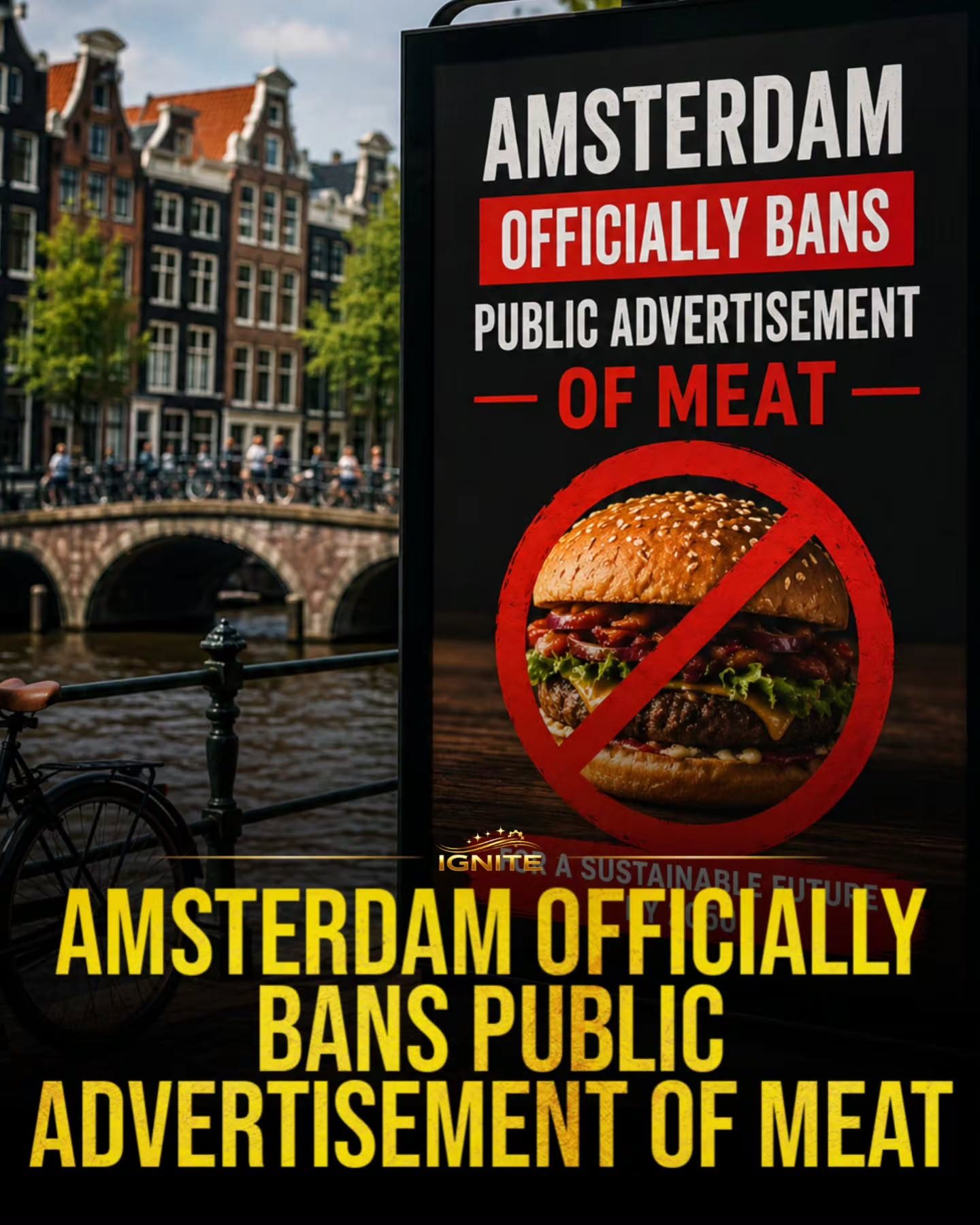
The Amsterdam Meat Advertisement Ban
Understanding the significance of Amsterdam's recent ban on public advertisements of meat. This new policy is part of a broader effort to promote sustainability and public health in the city.
Why This Matters
Amsterdam’s decision to ban public advertisements of meat is a bold step that reflects a growing global trend towards sustainable living. This ban isn't just about reducing the visibility of meat products; it's about encouraging a shift in dietary habits that aligns with environmental and health goals. By curbing the promotion of meat, Amsterdam aims to reduce greenhouse gas emissions, conserve resources, and promote a healthier diet for its residents. This move is a significant milestone in the city's journey towards a more sustainable future.
Main Discussion
Understanding the Ban and Its Motivation
The ban on public advertisements of meat is a direct response to the environmental impact of meat consumption. Livestock farming contributes significantly to greenhouse gas emissions, deforestation, and water pollution. By restricting the visibility of meat products, Amsterdam hopes to influence consumer behavior and reduce the demand for meat. This initiative is part of a larger effort to promote plant-based diets, which are generally more environmentally friendly and healthier.
The Impact on Public Health
Encouraging a shift towards plant-based diets can have positive health benefits. Meat consumption, particularly red and processed meat, has been linked to increased risks of cardiovascular diseases, certain cancers, and other health issues. A reduction in meat consumption can lead to a healthier population, lowering the burden on the healthcare system and improving the overall quality of life for residents.
The Role of Advertising
Advertising plays a crucial role in shaping consumer behavior. By banning public advertisements of meat, Amsterdam is taking a proactive approach to influencing dietary choices. This ban can help reduce the exposure of residents to meat-related advertisements, making plant-based options more appealing and accessible. This shift in marketing can gradually change societal norms and encourage a more sustainable lifestyle.
The Symbolism of the Burger with a 'No' Symbol
The sign featuring a burger with a red circle and slash over it is more than just a visual representation of the ban. It symbolizes the city's commitment to sustainability and public health. This visual cue is a powerful reminder of the goals behind the ban and serves as a call to action for residents and visitors alike. The sign's presence in public spaces reinforces the message and encourages people to consider the environmental and health benefits of reducing meat consumption.
Practical Tips
If you’re considering making the transition to a more plant-based diet, here are some practical tips to help you get started.
Explore Plant-Based Alternatives
There are numerous plant-based alternatives to meat that are both delicious and nutritious. From tofu and tempeh to seitan and jackfruit, there’s a wide variety of options to explore. These alternatives can be used in a variety of dishes, from stir-fries and tacos to sandwiches and burgers.
Gradual Transition
Making a significant change in your diet doesn’t have to happen overnight. Start by gradually reducing your meat intake and incorporating more plant-based meals into your routine. This approach allows your body to adapt and makes the transition easier.
Learn New Recipes
Experimenting with new recipes can make the transition to a plant-based diet more enjoyable. There are countless resources available online, from cooking blogs and YouTube channels to cookbooks, that offer a wealth of plant-based recipes to try.
Support Local Farmers and Markets
Supporting local farmers and markets can help you access fresh, seasonal produce. This not only supports the local economy but also ensures that you’re getting the best quality ingredients for your meals.
Important Takeaways
The ban on public advertisements of meat in Amsterdam reflects a growing global trend towards sustainability and public health. Here are some key takeaways from this initiative:
Sustainability Goals
Public policy can play a significant role in promoting sustainability by influencing consumer behavior. Amsterdam’s ban on meat advertisements is a prime example of how cities can use policy to encourage more sustainable lifestyles.
Public Health Benefits
Reducing meat consumption can have positive health benefits, including a lower risk of cardiovascular diseases and certain cancers. Promoting plant-based diets can lead to a healthier population and a reduced burden on the healthcare system.
The Role of Community
Encouraging community involvement in sustainability initiatives can amplify their impact. Amsterdam’s efforts to promote a more sustainable lifestyle show how community engagement and support can drive meaningful change.
Individual Actions
While policy changes are crucial, individual actions are equally important. By making conscious choices about what we eat and how we live, we can contribute to a more sustainable future.
Conclusion
Amsterdam’s ban on public advertisements of meat is a significant step towards a more sustainable and healthier future. This initiative underscores the importance of policy in shaping consumer behavior and promoting sustainability. By encouraging a shift towards plant-based diets, Amsterdam is leading the way in creating a more environmentally and health-conscious society. This move serves as an inspiration for other cities and communities to consider similar initiatives and work towards a more sustainable world.
Questions readers ask
What is the primary goal of Amsterdam's ban on public meat advertisements?
The primary goal is to encourage a shift in dietary habits towards more plant-based diets. This initiative promotes public health and aims to reduce the environmental impact of livestock farming, which is associated with significant greenhouse gas emissions, resource depletion, and deforestation.
How does the ban on public meat advertisements contribute to sustainability efforts in Amsterdam?
By reducing the visibility and promotion of meat products, the city aims to curb excessive consumption and shift dietary habits towards more sustainable, plant-based diets. This helps lower the city's overall environmental footprint, which is crucial for achieving sustainability goals.
What is the significance of the red circle slash symbol in Amsterdam's sustainability campaign?
The red circle slash symbol is used to denote the ban on meat advertisements in public spaces. It is a visual cue to the public that Amsterdam is taking a firm stance on promoting a more sustainable and healthier lifestyle, which includes moving away from high meat consumption to a plant based diet.
Does the ban on public meat advertisements apply to all types of meat?
Yes, the ban encompasses all types of meat, including red, white, and processed meats. The aim is to reduce overall meat consumption, regardless of the type, to achieve the desired environmental and health benefits. This includes a ban on burger ads and other meat-related promotions.
What other initiatives is Amsterdam implementing to promote sustainable living?
Amsterdam is actively promoting a public campaign to create awareness about the benefits of sustainable living. This includes encouraging residents to adopt plant-based diets and other environmentally friendly practices, such as reducing waste, using public transportation, and supporting local, sustainable agriculture.
How does the ban on public meat advertisements support public health in Amsterdam?
By encouraging a shift towards plant-based diets, the ban supports public health by promoting healthier eating habits. Plant-based diets are often lower in saturated fats and cholesterol, which can help reduce the risk of chronic diseases such as heart disease, diabetes, and certain cancers.
Will the ban on meat advertisements affect local businesses and restaurants?
The ban primarily affects the advertising strategies of businesses and restaurants. While they may need to adapt their marketing approaches, the city encourages these establishments to promote plant-based options and healthier menus, which can attract environmentally conscious customers.
Related deep dives
Similar reads based on topic and creator.

Recent articles
Fresh deep dives from the latest Reels we unpacked.




Comments
Be the first to comment.