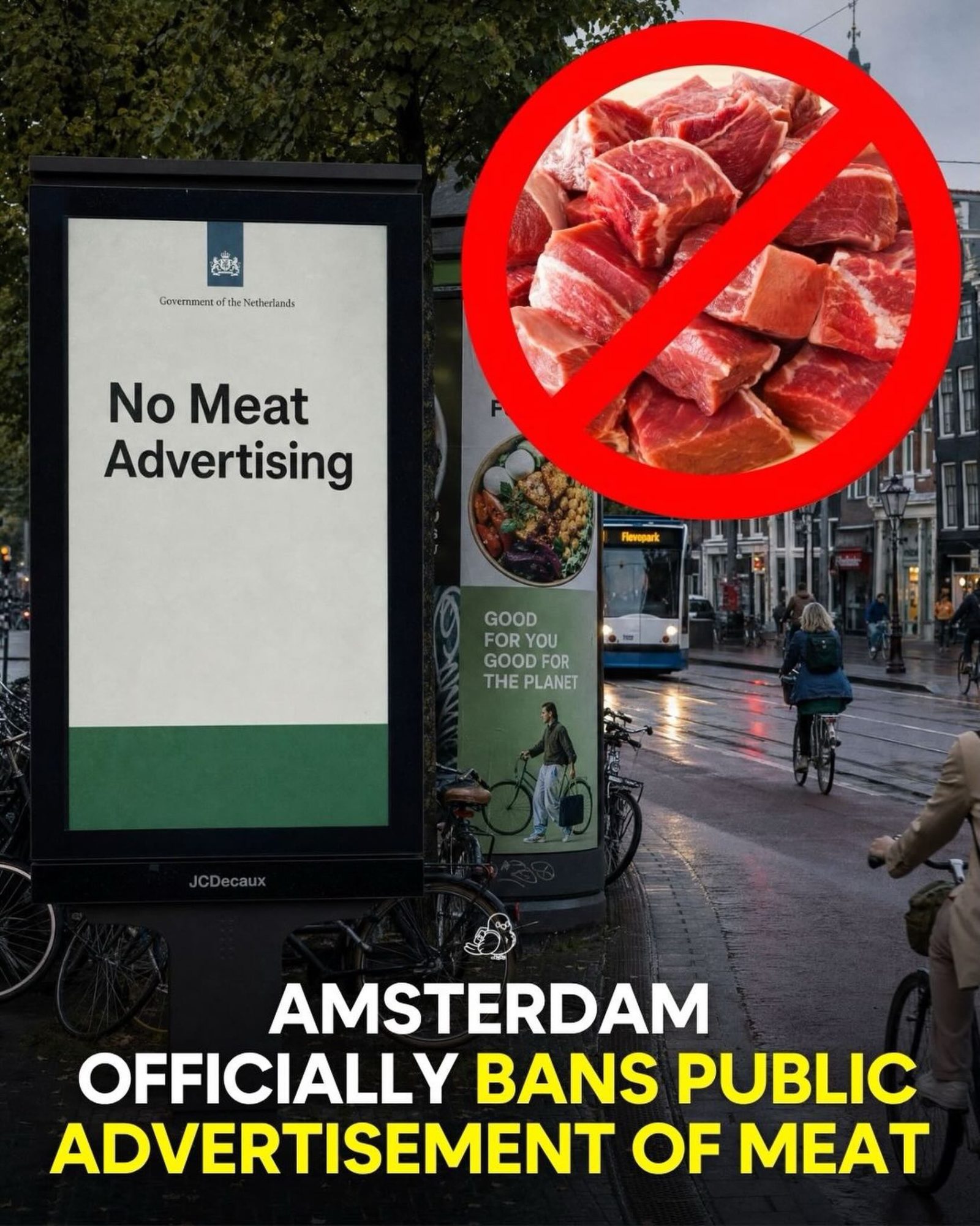
Amsterdam's Meat Advertising Ban
Amsterdam has taken an unprecedented step by banning public advertisements for meat products. Starting on May 1, advertisements promoting burgers, chicken, fish, and other meat products, along with ads for cheap flights, cruises, and fossil fuel-related products, are no longer allowed in public spaces across the city.
Why This Matters
This ban is part of a broader initiative by the Dutch capital to reduce carbon emissions and promote a more sustainable lifestyle by 2050. By eliminating ads that encourage consumption of high-emission products, Amsterdam aims to align its public spaces with its climate goals, fostering a cultural shift towards sustainability. However, this move is not without controversy, as some critics argue that the ban infringes on consumer choice and commercial freedom.
The Scope of the Ban
Advertising Restrictions
The ban extends to a variety of public spaces, including billboards, bus stops, metro stations, and other outdoor locations. This means that any advertising promoting meat products, as well as other targeted products, will no longer be visible on the city's public advertising boards.
What Does This Mean for Businesses?
Businesses that rely on public advertising for meat products will need to find alternative marketing strategies. This could mean shifting their focus to digital advertising, in-store promotions, or sponsorships. The change may also encourage a re-evaluation of product offerings, with an increased emphasis on plant-based alternatives.
Context: Sustainability Goals
Climate Change Mitigation
One of the primary goals of this ban is to mitigate climate change. Meat production is a significant contributor to greenhouse gas emissions, and by reducing the visibility and normalization of meat consumption in public spaces, the city hopes to lower overall demand for these products. The ban also extends to ads for cheap flights and cruises, addressing the high carbon footprint of air travel and cruise ships.
Public Health and Well-being
The ban is also aimed at promoting public health and well-being. Meat consumption has been linked to various health issues, including heart disease and certain cancers. By reducing the allure of meat products, the city hopes to nudge residents and visitors towards healthier, more sustainable dietary choices.
Practical Tips
For Businesses
As a business owner, it's crucial to stay informed about the latest regulations and adapt your marketing strategies accordingly. Consider the following tips:
- Digital Advertising: Shift your marketing efforts to digital platforms, where you can still reach a large audience without violating the ban.
- In-Store Promotions: Focus on in-store promotions, loyalty programs, and other direct marketing strategies to engage with customers.
- Product Diversification: Diversify your product offerings to include more plant-based options, catering to the growing demand for sustainable alternatives.
- Sponsorships: Explore sponsorship opportunities with local events and organizations that align with your brand values.
For Advertisers
If you're an advertiser, here are some tips to stay compliant:
- Review Contracts: Ensure that your advertising contracts include clauses that allow for adjustments in case of regulatory changes.
- Compliance Monitoring: Regularly monitor local regulations to stay ahead of any changes that might impact your advertising strategies.
- Data-Driven Decisions: Utilize data analytics to understand consumer behavior and adapt your campaigns to meet their evolving needs.
- Client Communication: Keep open lines of communication with your clients, informing them of any changes and advising on alternative advertising methods.
Important Takeaways
The Shift Towards Sustainability
Amsterdam's move highlights a significant shift in urban planning and sustainability initiatives. Cities around the world are increasingly recognizing the importance of aligning their public spaces with environmental goals. This trend is likely to gain momentum, with other cities following suit in the coming years.
Public Health Implications
The ban on meat advertising also underscores the growing awareness of the connection between public health and dietary choices. By promoting healthier, plant-based diets, cities can tackle both environmental and health issues.
Conclusion
Amsterdam's ban on public meat advertisements is a bold step towards a more sustainable future. While it presents challenges for businesses and advertisers, it also offers an opportunity to innovate and adapt. By embracing digital advertising, in-store promotions, and product diversification, businesses can thrive in this new regulatory landscape. As cities worldwide grapple with climate change and public health, Amsterdam's initiative serves as a model for reducing carbon emissions and promoting sustainable lifestyles.
Questions readers ask
How does the meat ad ban align with Amsterdam's climate goals?
The meat ad ban is part of Amsterdam's broader strategy to reduce carbon emissions and promote sustainability by 2050. By removing ads that encourage the consumption of high-emission products, the city aims to foster a cultural shift towards more climate-friendly choices in public spaces.
Which products are affected by Amsterdam's advertising ban?
The ban applies to public advertisements for meat products, including burgers, chicken, and fish, as well as ads for cheap flights, cruises, and fossil fuel-related products. These products are known for their high carbon emissions and environmental impact.
Is Amsterdam the first city to implement such a ban?
Yes, Amsterdam is the first city to implement a ban on public advertisements for meat products. This move sets a precedent for other cities aiming to promote sustainable lifestyles and reduce their carbon footprint.
What is the main objective of Amsterdam's sustainability initiatives?
The main objective of Amsterdam's sustainability initiatives is to reduce carbon emissions, promote eco-friendly practices, and create a more sustainable city by 2050. The ban on meat ads is one of several steps the city is taking to achieve these goals.
How does this ban affect public spaces in Amsterdam?
By eliminating advertisements for high-emission products, Amsterdam aims to create public spaces that are more aligned with its climate goals. The goal is to foster a cultural shift towards sustainability and reduce the promotion of environmentally harmful products in public areas.
What other products are included in the advertising ban?
Alongside meat products, the advertising ban in Amsterdam also includes ads for cheap flights and cruises, as these forms of transportation are known for their significant carbon emissions. Additionally, ads related to fossil fuel products are also prohibited in public spaces.
What are the controversies surrounding Amsterdam's meat advertising ban?
While the ban aims to reduce carbon emissions and promote sustainability, it has sparked controversy among some critics. Opponents argue that the ban infringes upon individual choices and potentially restricts businesses' promotional activities in public spaces.
Recent articles
Fresh deep dives from the latest Reels we unpacked.




Comments
Be the first to comment.