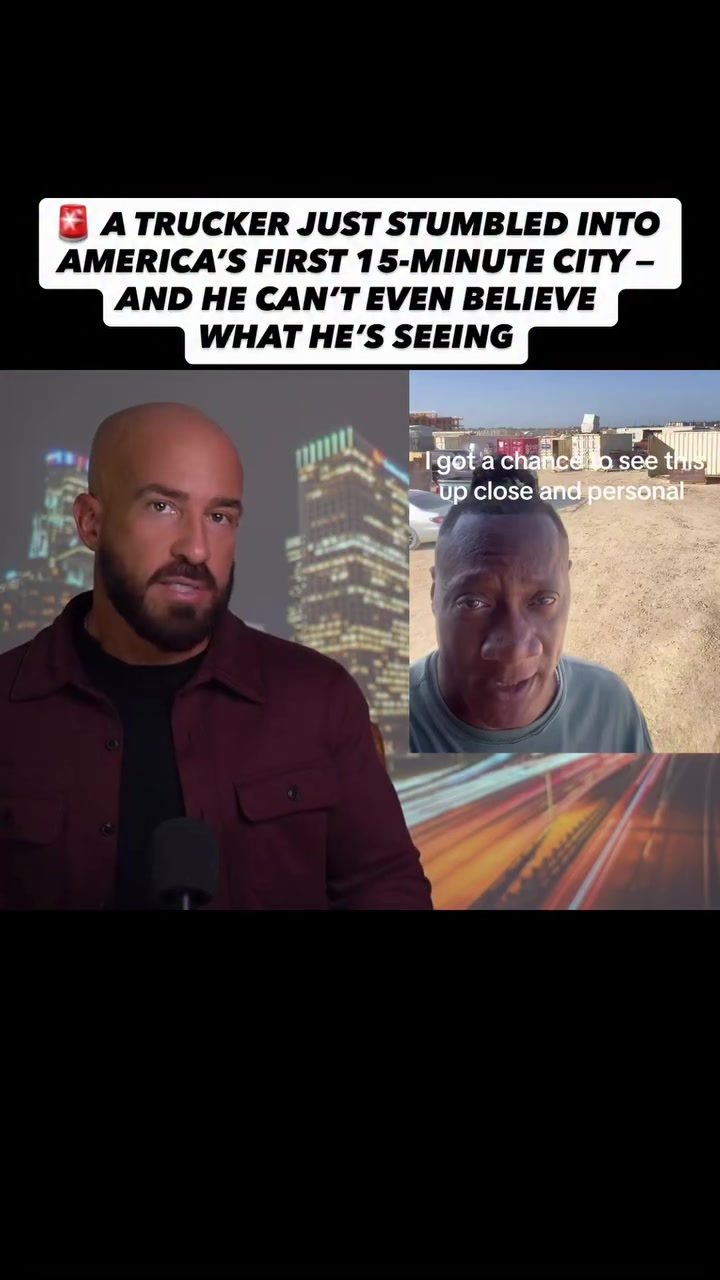
15-Minute Cities: The Vision and Reality
Frisco, Texas, is set to become home to America's first 15-minute city, a concept that aims to create self-sufficient urban environments where everything residents need is within a 15-minute walk, bike, or public transit ride. This model is designed to reduce travel time, decrease carbon emissions, and foster a sense of community. However, the reality of these cities, as experienced by a trucker delivering lighting to the construction site, raises several questions and concerns.
The 15-Minute City Concept
The core idea behind a 15-minute city is to create a more sustainable and efficient urban lifestyle. These cities are planned to include all essential services within a short distance, such as grocery stores, daycare centers, hair salons, and medical facilities. The goal is to make daily life more convenient and reduce the need for long commutes, which in turn can help lower carbon emissions and traffic congestion.
The Reality in Frisco, Texas
A trucker's firsthand account of the massive construction site in Frisco, Texas, paints a different picture. The project, described as a "monstrosity," is an experimental housing development that includes apartment complexes equipped with everything residents could need. This includes grocery stores, daycare centers, hair salons, and medical facilities. The idea is that residents will have no reason to leave the complex, effectively creating a self-contained city.
Concerns and Criticisms
While the concept of a 15-minute city has its merits, several concerns have been raised by critics and residents. One of the primary concerns is the potential for high housing costs, which could make it difficult for many people to afford living in these cities. The trucker's account suggests that the housing prices in these developments could be equivalent to today's mortgage rates, making them unaffordable for a significant portion of the population.
Another concern is the level of control and monitoring that residents might face. The development is designed to keep people comfortable, but there is a fear that this could translate to being controlled. The idea of constant monitoring, especially through wearable devices that track personal carbon footprints, raises significant privacy issues. These devices could monitor diet, physical activity, and travel habits, providing a detailed profile of an individual's lifestyle.
The trucker's description of the city as a "monstrosity" suggests a sense of unease and discomfort with the scale and scope of the project. The idea of thousands of people living on top of each other, combined with the potential for high housing costs and constant monitoring, paints a picture that is far from the utopian vision often associated with 15-minute cities.
Smart Cities and Surveillance
The development in Frisco can be seen as part of a broader trend toward smart cities, which leverage technology to improve urban living. However, this trend also raises concerns about surveillance and data privacy. The trucker's account mentions the use of cameras and data-harnessing technologies to monitor and fine residents who exceed congestion zone limits. This level of surveillance, combined with the potential use of wearable devices to track personal activities, raises serious questions about privacy and autonomy.
Smart cities often promote the idea of making urban living more efficient and sustainable, but they also come with significant trade-offs. The use of technology to monitor and control urban environments can lead to a loss of privacy and autonomy for residents. The trucker's account highlights the need for a balanced approach, one that considers the benefits of technology while also addressing the potential downsides.
Practical Tips for Navigating 15-Minute Cities
For those living in or considering moving to a 15-minute city, it's essential to weigh the benefits against the potential drawbacks. Here are some practical tips for navigating this new urban landscape:
- Research the Housing Market: Understand the cost of living and housing prices in the area. This will help you determine if the city is financially feasible for you.
- Evaluate the Amenities: Assess the availability and quality of essential services and amenities within the 15-minute radius. Make sure they meet your needs.
- Consider Privacy Concerns: Be aware of the level of surveillance and data monitoring in the city. Understand how your personal data will be used and protected.
- Stay Informed: Keep up-to-date with local developments and changes in policies and regulations. This will help you stay informed and make informed decisions about your living situation.
- Engage with the Community: Participate in community discussions and forums. This will help you build a network of support and stay informed about local issues and concerns.
Important Takeaways
- Housing Costs: Be aware of the potential for high housing costs in 15-minute cities, which could make them unaffordable for many people.
- Privacy and Surveillance: Understand the level of surveillance and data monitoring in these cities, and consider the potential impact on your privacy and autonomy.
- Community Engagement: Engage with the community and stay informed about local developments and changes in policies and regulations.
- Sustainability: While 15-minute cities aim to create more sustainable urban environments, it's essential to weigh the benefits against the potential downsides.
Conclusion
The concept of 15-minute cities, as exemplified by the development in Frisco, Texas, offers a vision of a more sustainable and convenient urban lifestyle. However, the reality, as experienced by a trucker delivering lighting to the construction site, raises significant concerns about housing costs, privacy, and control. As these cities continue to develop, it's essential to weigh the benefits against the potential drawbacks and make informed decisions about living in these new urban environments. The future of 15-minute cities will depend on how well these concerns are addressed and how balanced an approach is taken to creating sustainable and livable urban environments.
Questions readers ask
What is the primary goal of a 15-minute city like the one being developed in Frisco, Texas?
The main objective of a 15-minute city is to design urban spaces where residents can access all essential services, such as grocery stores, healthcare, and recreation, within a 15-minute walk, bike ride, or public transit journey. This aims to reduce travel time, lower carbon emissions, and create a more connected community.
What are some of the key features of the 15-minute city model?
Key features of a 15-minute city include proximally located essential services like grocery stores, healthcare facilities, daycare centers, and recreational spaces. The model also emphasizes walkability, bike lanes, and efficient public transportation to ensure easy access to these amenities within a short time frame.
What concerns were raised by the trucker's account of the construction site in Frisco, Texas?
The trucker's account highlighted potential issues with affordability and other challenges in the 15-minute city model. These concerns include the possibility of increased housing costs, which could make living in these areas unaffordable for many, and the potential for gentrification, which could displace long-time residents.
How does the 15-minute city model aim to reduce carbon emissions?
By concentrating essential services and amenities within a short distance, the 15-minute city model encourages residents to rely less on personal vehicles for daily errands. This shift towards walking, biking, or using public transit can significantly decrease the number of cars on the road, thereby reducing carbon emissions and promoting a more eco-friendly lifestyle.
What are the potential benefits of living in a 15-minute city?
Living in a 15-minute city can offer numerous benefits, including reduced travel time and stress, improved health through increased physical activity, and enhanced community connections. These cities also promote sustainability by lowering carbon emissions and fostering a more walkable, bike-friendly environment.
What kind of impact might a 15-minute city have on urban development trends?
The 15-minute city model, if successful, could influence future urban planning by prioritizing proximity, walkability, and sustainability. This trend could lead to more pedestrian-friendly neighborhoods, better integrated public transportation systems, and a greater focus on community-building in urban design.
Recent articles
Fresh deep dives from the latest Reels we unpacked.




Comments
Be the first to comment.