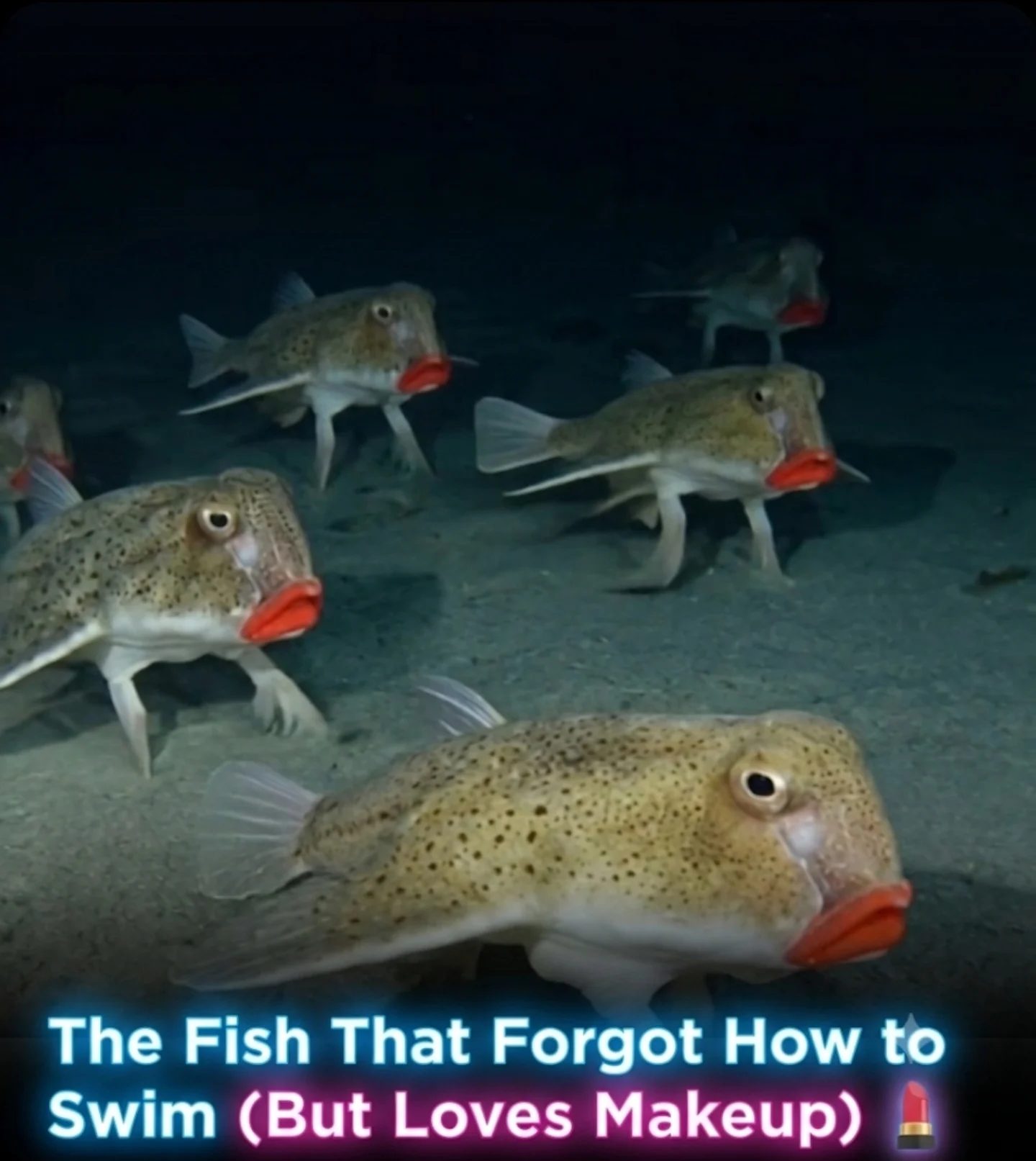
Red-lipped Batfish: Fascinating Deep-Sea Creatures
Red-lipped batfish, scientifically known as Ogcocephalus darwini, are one of the most intriguing deep-sea creatures. These fish are not simply fascinating because of their unique appearance, but also due to their unusual behaviors and adaptations. Let's delve into the world of these captivating creatures, exploring their distinctive features, hunting strategies, and habitat.
Context / Why this matters
Understanding the red-lipped batfish helps us appreciate the diversity and complexity of marine life, especially in the deep sea where conditions are harsh and resources are scarce. These fish serve as a reminder of the incredible adaptations that allow certain species to thrive in extreme environments, and they add to the rich tapestry of life on our planet.
Main discussion
A Unique Mode of Locomotion
Red-lipped batfish are known for their peculiar way of moving. Unlike most fish that gracefully swim through the water, these creatures use their pectoral and pelvic fins to "walk" or hop along the ocean floor. Their swimming ability is so limited that they rely on this method of locomotion to navigate their underwater environment, which ranges from 3 to 76 meters (10 to 250 feet) in depth.
The Iconic Red Pout
One of the most striking features of the red-lipped batfish is its bright red lips. This vibrant color serves an important purpose in their dimly lit habitat. The leading theory suggests that the red coloration helps them recognize each other and attract mates. In the deep sea, where visibility is low, distinctive markings can be crucial for social interactions and reproduction.
The Built-In Fishing Rod
Red-lipped batfish have a unique hunting strategy. They possess a specialized structure on their heads called an illicium, a modified fin ray. This structure can extend out to act as a fishing rod, complete with a tiny lure (esca) at the end. The lure secretes a chemical scent that attracts small fish, crabs, and shrimp right to the batfish's mouth. This makes them efficient predators in their deep-sea habitat.
A Tough Exterior
Red-lipped batfish are built to survive in a world where predators lurk. Their tough, buckler-like skin is covered in hard knobs and spines, providing protection against potential threats. This tough exterior, combined with their small size (about 25 cm or 10 inches long), makes them well-equipped to handle the challenges of deep-sea life.
Home on the Ocean Floor
These fascinating creatures are highly endemic to the waters around the Galápagos Islands and parts of Peru. You can typically find them on the sandy bottoms of reefs or the ocean floor, where they spend most of their time. Their habitat is characterized by low light and high pressure, making it a challenging environment for most marine life.
The Humorous Element
The text overlay in the video adds a playful touch, describing the red-lipped batfish as "The Fish That Forgot How to Swim (But Loves Makeup)." This humorous twist highlights the contrast between their unique appearance and their actual deep-sea lifestyle, making them even more intriguing to observe and study.
Practical tips
Observing and learning about red-lipped batfish can be a rewarding experience, whether you're a marine biologist or an enthusiast. Here are some practical tips to consider:
For Divers and Enthusiasts
If you're a diver or someone planning to explore marine life, here are a few tips to keep in mind:
- Prepare for Depth: Red-lipped batfish live in deep waters, so ensure you have the right equipment and training for deep-sea diving.
- Know the Habitat: Familiarize yourself with their typical habitats, such as sandy reef bottoms, to increase your chances of spotting them.
- Be Patient: These fish move slowly and are often well-camouflaged, so patience is key. Spend time observing the surroundings to catch a glimpse of them.
For Photographers and Videographers
For those interested in capturing these creatures on camera:
- Use Low Light Equipment: Given their deep-sea habitat, investing in cameras and lighting equipment that work well in low light conditions is crucial.
- Approach Carefully: Be mindful of your movements to avoid disturbing the fish. A sudden change in water movement can cause them to become hidden or frightened.
For Conservation Efforts
Supporting conservation efforts is vital for the survival of these unique creatures and their habitats:
- Reduce Pollution: Minimize plastic and chemical pollution in the ocean, as it affects the health and sustainability of marine ecosystems.
- Support Research: Contribute to or support scientific research on deep-sea creatures to better understand their behaviors and needs.
Important takeaways
- Red-lipped batfish have unique physical and behavioral adaptations, such as their distinctive red lips and modified fins used for walking.
- Their hunting strategy involves using a specialized structure on their heads as a fishing rod.
- Red-lipped batfish are highly endemic to specific regions and inhabit deep-sea environments, making them well-adapted to harsh conditions.
- Observing and studying these creatures requires specialized knowledge and equipment, especially for divers and photographers.
Red-lipped batfish are a testament to the wonders of marine life. Their unique features and behaviors make them one of the most intriguing species to explore and understand. Whether you're diving in the Galápagos or simply learning about these creatures, you can appreciate the complexity and beauty of deep-sea life.
Related deep dives
Similar reads based on topic and creator.

Recent articles
Fresh deep dives from the latest Reels we unpacked.




Comments
Be the first to comment.