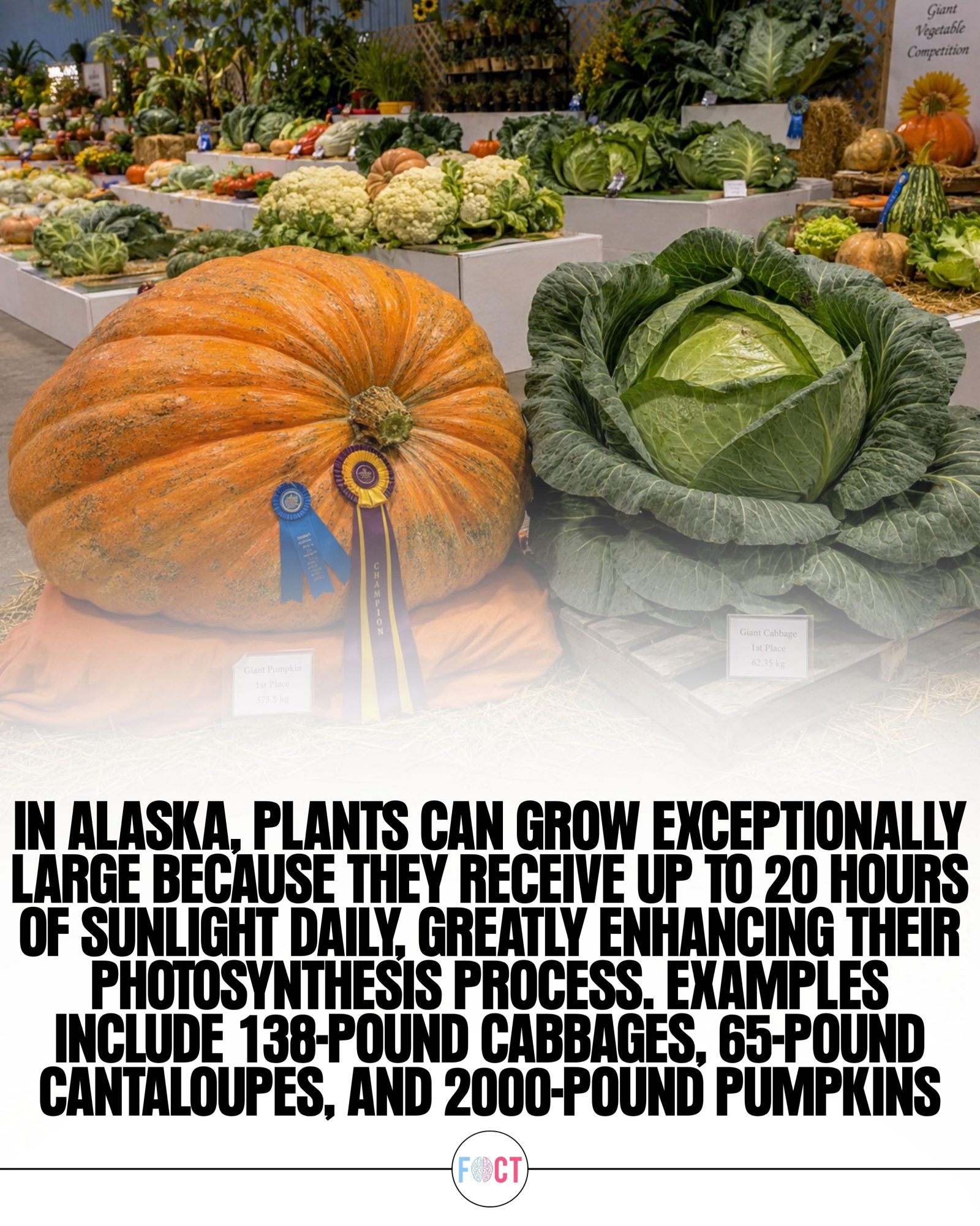
Giant Vegetables: The Bigger than Life Produce of Alaska
Alaska is renowned for its vast landscapes and stunning vistas, but it's also home to something else extraordinary: giant vegetables. The state's unique climate and extended daylight hours create ideal conditions for growing exceptionally large produce. This phenomenon is showcased annually at the Alaska State Fair, where Monster vegetables like 138-pound cabbages and 65-pound cantaloupes are on display. The Fair is one of several state fairs with a giant crop competition, but Alaska stands out for producing some of the world's largest specimens.
Why It Matters
Alaska's ability to grow such enormous vegetables is not just a curiosity; it's a testament to the power of environmental factors in agriculture. The state's long summer days, with up to 20 hours of sunshine, provide plants with ample light for photosynthesis. This process, crucial for plant growth, is significantly enhanced in Alaska, allowing crops to produce more plant material and grow larger.
Giant Vegetables of Alaska
The Power of Sunlight
The extended daylight hours in Alaska are the key factor behind the giant vegetables. According to Steve Brown, an agricultural agent at the University of Alaska Fairbanks, the prolonged sunlight gives Alaskan crops a photosynthesis bonus. This means that plants can convert more sunlight into energy, leading to faster growth and larger sizes. Brassicas, like cabbage, are particularly successful in these conditions, often growing to monumental sizes.
Notable Specimens
The Alaska State Fair is the perfect stage to showcase these agricultural marvels. Some of the most impressive specimens include:
- Cabbages: Weighing up to 138 pounds, these cabbages are a sight to behold. Their size is not just a result of favorable conditions but also careful planning and cultivation techniques.
- Cantaloupes: These melons can reach up to 65 pounds, making them some of the heaviest in the world.
- Broccoli: Even broccoli, typically a smaller vegetable, can grow to an impressive 35 pounds in Alaska.
- Pumpkins: The true giants, with some specimens topping 2,000 pounds.
Enhancing Photosynthesis
The longer daylight hours in Alaska greatly enhance the plants' photosynthesis process. This allows them to produce more plant material, resulting in larger vegetables. The process is so effective that many of the biggest vegetables aren't flukes but a product of careful planning and optimal growing conditions.
Practical Tips for Growing Giant Vegetables
While Alaska's unique climate is a significant factor, there are several practical tips that gardeners and farmers can use to grow larger vegetables:
Maximize Sunlight
For those not in Alaska, maximizing sunlight is crucial. Ensure that your garden or farm receives as much sunlight as possible. This can be achieved by positioning your plants in the sunniest spots and using reflective surfaces to bounce light onto the plants.
Nutrient-Rich Soil
Rich, nutrient-dense soil is essential for growing giant vegetables. Regularly amend your soil with compost and other organic matter to ensure that your plants have the nutrients they need to grow to their fullest potential.
Proper Watering
Watering your plants correctly is vital. Overwatering or underwatering can both hinder growth. Use a moisture meter to ensure that your plants receive the right amount of water. Remember, consistency is key—regular watering helps maintain optimal soil moisture levels.
Crop Rotation
Rotating your crops can prevent soil depletion and pest infestations. This practice ensures that your soil remains fertile and can support the growth of large vegetables year after year.
Selecting the Right Varieties
Choosing the right varieties of vegetables can make a big difference. Look for varieties known for their large size and disease resistance. Researching and selecting the best seeds or seedlings is a step towards growing giant vegetables.
Important Takeaways
The ability to grow giant vegetables is a fascinating example of how environmental conditions can influence agriculture. Alaska's extended daylight hours and enhanced photosynthesis provide the ideal conditions for growing exceptionally large produce. While not everyone can replicate these conditions, gardeners and farmers can use practical tips to maximize their crop sizes.
Conclusion
Giant vegetables are a testament to the power of nature and careful cultivation. Alaska's unique climate provides the perfect conditions for growing some of the world's largest vegetables. From 138-pound cabbages to 2,000-pound pumpkins, the state's produce is a sight to behold. By maximizing sunlight, using nutrient-rich soil, and selecting the right varieties, anyone can work towards growing their own giant vegetables. The next time you see a massive vegetable, remember the science and care that goes into growing these agricultural marvels.
Questions readers ask
What makes Alaska an ideal place for growing giant vegetables?
Alaska's unique climate, particularly the extended daylight hours during summer, creates perfect growing conditions. The long days, with up to 20 hours of sunshine, allow plants to photosynthesize more, resulting in extraordinarily large produce.
What are some of the largest vegetables grown in Alaska?
Alaska is known for producing impressive giant vegetables including 138-pound cabbages and 65-pound cantaloupes. These extraordinary specimens are often showcased at the Alaska State Fair, drawing attention for their remarkable size.
What is the significance of the Alaska State Fair in relation to giant vegetables?
The Alaska State Fair is a major event for giant vegetable enthusiasts. It features a competition for the largest produce, attracting growers who aim to set new records. The fair is renowned for displaying some of the world's largest vegetable specimens, making it a highlight for anyone interested in extraordinary agriculture.
How do Alaska's long daylight hours benefit plant growth?
The extended daylight hours in Alaska, which can last up to 20 hours in the summer, provide plants with more time to absorb sunlight. This increased photosynthesis helps plants produce more energy, leading to accelerated growth and larger vegetables.
What is the Alaska State Fair's giant crop competition?
The Alaska State Fair's giant crop competition is an annual event that showcases some of the world’s largest vegetables. It attracts participants from across the state who compete to grow the biggest specimens, with categories ranging from cabbages to cantaloupes. The fair is a celebration of Alaska's unique agricultural capabilities, highlighting the state's ability to produce remarkably large produce.
Related deep dives
Similar reads based on topic and creator.
Recent articles
Fresh deep dives from the latest Reels we unpacked.




Comments
Be the first to comment.