Military Food Contamination: What You Need to Know
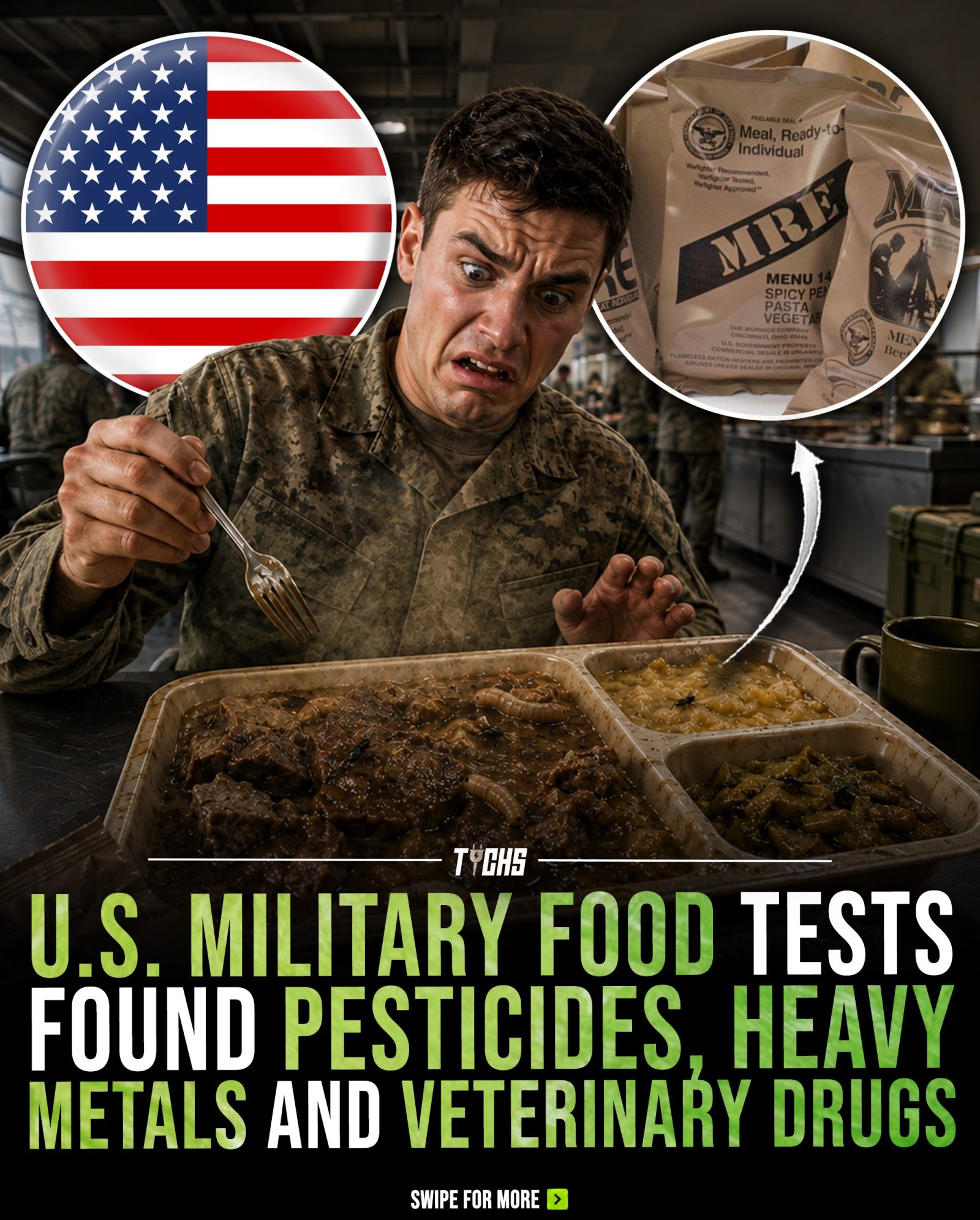
Military food, specifically Meals, Ready-to-Eat (MREs), have long been a staple for soldiers in the field, providing necessary sustenance during missions. However, recent independent testing has raised significant concerns about the safety of these meals. Commissioned by Moms Across America, the testing of 40 MRE samples revealed alarming levels of contaminants, including pesticides, heavy metals, and veterinary drugs. These findings have spurred important discussions about food safety and the potential health risks for soldiers.
Context: Why This Matters
MREs are designed to be lightweight, shelf-stable, and easy to prepare, making them ideal for military operations. However, the recent findings suggest that the convenience of these meals may come at a cost. The presence of contaminants in military food raises serious questions about the safety and quality of the food provided to soldiers, who often rely on these meals for extended periods. Understanding the extent and implications of these contaminants is crucial for ensuring the health and well-being of military personnel.
Main Discussion
Pesticide Residues
Pesticides are commonly used in agriculture to protect crops from pests and diseases. However, the independent testing revealed that all 40 samples of MREs contained pesticide residues. Glyphosate, a widely used herbicide, was detected in 95% of the samples. Glyphosate is known for its potential health risks, including links to cancer and endocrine disruption. The widespread presence of this pesticide in military food is a concerning indicator of broader agricultural practices and their impact on food safety.
Heavy metals are naturally occurring elements that can be toxic to humans at certain concentrations. The testing identified several heavy metals, including aluminum, arsenic, cadmium, lead, and mercury, in the MRE samples. Aluminum, in particular, was detected at levels 173 times higher than the Environmental Protection Agency (EPA) guidelines. Exposure to heavy metals can lead to a range of health issues, including neurological damage, organ failure, and developmental problems. The high levels of these contaminants in military food underscore the need for stricter regulations and monitoring of food safety standards.
Veterinary drugs are medications used to treat and prevent diseases in animals. However, the presence of five veterinary drugs in the tested MRE samples raises significant concerns about cross-contamination and improper handling. The detected drugs included trenbolone acetate, ractopamine, monensin, nicarbazin, and hydroxy-dimetridazole, all of which are not intended for human consumption. The detection of these drugs in military food highlights the potential for contamination during the production or packaging process, posing serious health risks to consumers.
Practical Tips
Understanding Food Labels
When choosing food, it's essential to be aware of potential contaminants. While military food may not have the same labeling requirements as commercially available products, understanding the sources of ingredients can help mitigate risks. Look for certifications and labels that ensure the product has been tested for contaminants and meets food safety standards.
Advocating for Change
As consumers, advocating for stricter food safety regulations and better testing protocols is crucial. Supporting organizations that commission independent testing, such as Moms Across America, can help raise awareness and push for changes in military food production. Engaging with policymakers and military officials to address these concerns can lead to improved food safety standards and better protection for soldiers.
Seeking Alternatives
When possible, seeking alternatives to MREs or other potentially contaminated food sources can help reduce exposure to harmful contaminants. This may include opting for organic or locally sourced food products, which often undergo more stringent testing and quality control measures. For military personnel, this might involve requesting meals from different suppliers or advocating for better food options.
Important Takeaways
The recent findings about contaminants in military food highlight the need for increased awareness and action. Pesticide residues, heavy metals, and veterinary drugs in MREs pose significant health risks and underscore the importance of strict food safety regulations. By advocating for change, understanding food labels, and seeking alternatives, individuals can take steps to protect themselves and others from potential hazards. Ensuring the safety and well-being of military personnel requires ongoing vigilance and a commitment to improved food quality and safety standards.
Conclusion
The independent testing of MREs has revealed alarming levels of contaminants, raising serious concerns about the safety of military food. Pesticide residues, heavy metals, and veterinary drugs in these meals pose potential health risks for soldiers who rely on them for sustenance. Understanding the sources of these contaminants and advocating for stricter food safety regulations are crucial steps in protecting the health and well-being of military personnel. By taking proactive measures and supporting organizations that promote food safety, we can work towards a future where military food is safe and reliable.
Questions readers ask
What types of contaminants were found in U.S. Military MREs?
The independent testing of 40 MRE samples discovered several concerning contaminants, including pesticides like glyphosate, heavy metals such as aluminum, and veterinary drugs. These findings have raised serious questions about the safety and quality of military food.
Who commissioned the testing of MREs for contaminants?
The testing was commissioned by Moms Across America, an advocacy group that aims to raise awareness about health and environmental issues. The results highlighted the presence of various contaminants in the tested MRE samples.
What are the potential health risks associated with contaminants in MREs?
The presence of contaminants like glyphosate and aluminum in MREs can pose potential health risks to soldiers who consume these meals regularly. While the specific health impacts are still a subject of ongoing discussion, it is clear that these substances can have detrimental effects on human health.
How were the contaminants detected in the MREs?
The contaminants were detected through independent testing conducted on 40 MRE samples. This testing revealed alarming levels of pesticides, heavy metals, and veterinary drugs, shedding light on the safety concerns surrounding military rations.
What is the significance of the independent testing results for military food safety?
The independent testing results are significant because they provide empirical evidence of the presence of harmful contaminants in MREs. These findings underscore the importance of ensuring the safety and quality of food provided to soldiers, as it directly impacts their health and well-being.
What steps can be taken to address the contamination issues in MREs?
To address the contamination issues, it is crucial for the military to conduct thorough investigations into the sources of these contaminants and implement stricter quality control measures. Additionally, regular testing and transparency in reporting results can help ensure the safety and quality of military meals.
How do these contaminants affect the overall quality of military rations?
The presence of contaminants like pesticides and heavy metals significantly compromises the overall quality of military rations. These substances not only pose health risks but also undermine the reliability and trustworthiness of the food supplies that soldiers depend on during missions.
Recent articles
Fresh deep dives from the latest Reels we unpacked.




Comments
Be the first to comment.