Aging and Disease
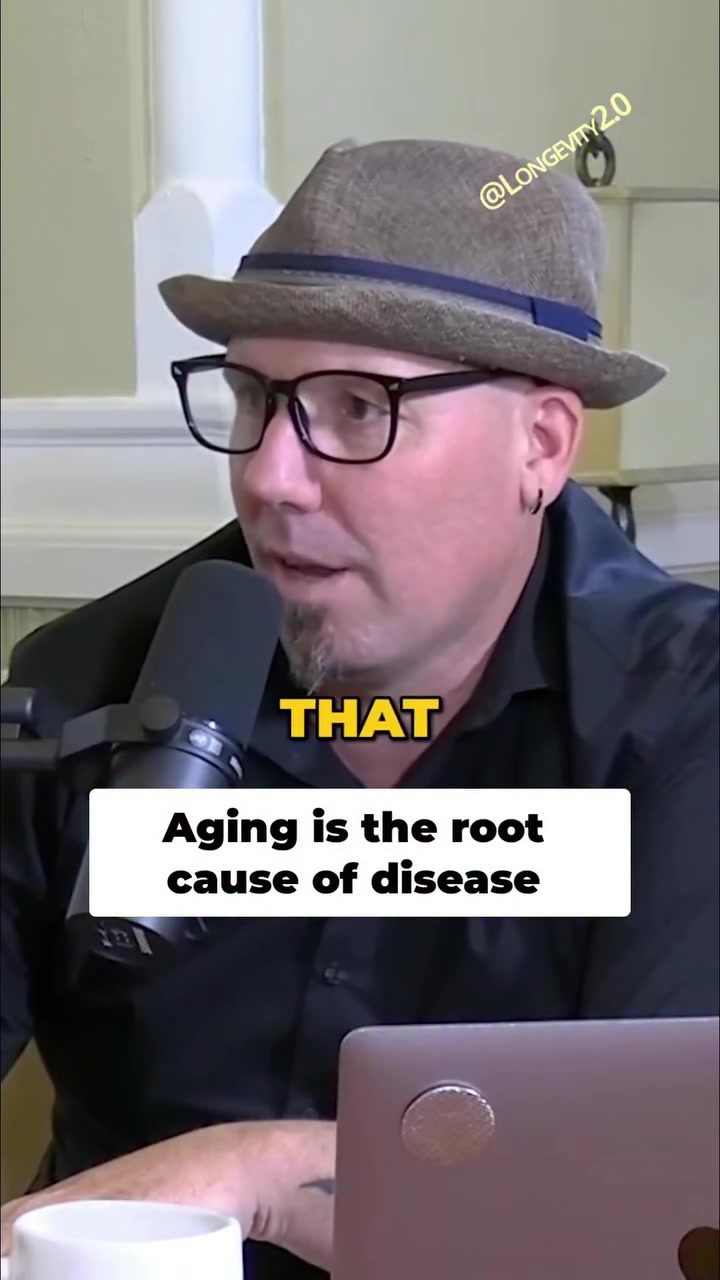
Aging and disease are inextricably linked, and recent research suggests that understanding this relationship could revolutionize how we approach disease prevention and treatment. The prevailing notion that diseases like Alzheimer's emerge suddenly later in life is being challenged by scientists who argue that the disease process often begins much earlier, rooted in the biology of aging itself.
Why This Matters
The traditional approach to treating age-related diseases often focuses on managing symptoms once they become apparent. However, this reactive method may not be as effective as addressing the underlying causes. Researchers are now exploring the idea that many age-related diseases share a common root, which includes cellular dysfunction, loss of biological information, and the progressive aging of tissues. By targeting these fundamental processes, it might be possible to delay or even prevent multiple diseases at once.
The Role of Aging in Disease
Cellular Dysfunction and Biological Information Loss
One of the key insights from recent research is that the aging process is characterized by a gradual unspooling of cellular functions. This unspooling can be seen as a loss of biological information, which is crucial for maintaining healthy cells and tissues. When this information is lost, cells can no longer function properly, leading to a variety of age-related diseases.
For instance, Alzheimer's disease, which was once thought to be a late-life condition, is now understood to have roots that stretch back to early stages of life. The process that leads to the characteristic plaques and tangles in the brain begins much earlier, driven by the natural aging process. This means that the disease is not just age-related; it is actually caused by the aging process itself.
Reversing the Aging Process
Researchers are now exploring whether reversing the biological age of tissues could also reverse certain diseases. In animal studies, they have reported that rejuvenating brain tissue may restore function and reduce signs associated with neurodegeneration. This idea is radical but holds significant promise. If scientists can find a way to slow down or reverse the aging process, they might be able to delay or prevent multiple diseases.
The Science Behind Longevity
Understanding Aging
Aging is a complex process that involves multiple biological mechanisms. One of the most significant contributors to age-related diseases is cellular senescence, where cells stop dividing and accumulate in tissues, leading to inflammation and tissue damage. Another key factor is epigenetic changes, where modifications in DNA packaging can alter gene expression and contribute to disease.
Researchers are now focusing on these underlying mechanisms to develop therapies that can slow down or reverse the aging process. For example, compounds like senolytics, which selectively eliminate senescent cells, and epigenetic modulators, which can reverse age-related changes in gene expression, show promise in extending healthspan and lifespan.
Targeting Cellular Senescence
Cellular senescence, while initially beneficial for preventing cancer, can become detrimental as cells accumulate and contribute to tissue dysfunction. By targeting senescent cells, researchers hope to reduce inflammation and tissue damage, thereby delaying the onset of age-related diseases.
Early studies have shown that eliminating senescent cells can extend lifespan in animal models and improve healthspan by reducing the risk of diseases like cancer, cardiovascular disease, and neurodegenerative disorders. Although these findings are promising, more research is needed to understand the long-term effects and potential side effects of senolytic therapies.
Epigenetic Modulation
Epigenetic changes, such as DNA methylation and histone modifications, play a critical role in regulating gene expression. As we age, these epigenetic marks can accumulate and alter gene expression patterns, contributing to age-related diseases. By reversing these epigenetic changes, researchers hope to restore normal gene expression and delay the onset of diseases.
Epigenetic modulators, such as histone deacetylase inhibitors (HDACIs), have shown promise in reversing age-related epigenetic changes and improving healthspan in animal models. However, more research is needed to understand the long-term effects and safety of these compounds in humans.
Practical Tips for Healthy Aging
While scientific research continues to unveil the mysteries of aging and disease, there are practical steps you can take to support healthy aging:
Adopt a Healthy Lifestyle
A balanced diet rich in fruits, vegetables, whole grains, and lean proteins can provide the nutrients needed to support cellular health and reduce the risk of age-related diseases. Regular exercise, even moderate activities like walking or swimming, can help maintain muscle mass, improve cardiovascular health, and reduce inflammation.
Stay Mentally Active
Mental stimulation through activities like reading, puzzles, and learning new skills can help maintain cognitive function and reduce the risk of neurodegenerative diseases. Engaging in social activities and maintaining strong social connections can also support mental health and well-being.
Manage Stress
Chronic stress can accelerate the aging process and increase the risk of age-related diseases. Practices like meditation, yoga, and deep breathing exercises can help manage stress and promote overall health.
Get Regular Check-Ups
Regular medical check-ups can help detect age-related diseases early, when they are often more treatable. Staying up-to-date with recommended screenings and vaccinations can also help prevent age-related health issues.
Important Takeaways
The relationship between aging and disease is complex, but recent research has provided valuable insights into the underlying mechanisms. By understanding and targeting these mechanisms, it may be possible to delay or even prevent multiple age-related diseases. Whether through lifestyle changes or emerging therapies, taking proactive steps to support healthy aging can have a profound impact on overall health and well-being.
Focus on the Root Causes
The traditional approach to treating age-related diseases often focuses on managing symptoms once they become apparent. However, addressing the underlying causes, such as cellular dysfunction and loss of biological information, could be more effective.
Explore Emerging Therapies
Scientific research is uncovering new therapies that target the aging process itself, offering the potential to delay or prevent multiple diseases. While more research is needed, these emerging therapies hold significant promise.
Prioritize Preventive Care
Taking proactive steps to support healthy aging, such as adopting a healthy lifestyle, staying mentally active, managing stress, and getting regular check-ups, can have a profound impact on overall health and well-being.
Conclusion
The relationship between aging and disease is a complex and evolving field of study. As researchers continue to uncover the underlying mechanisms, new therapies and preventive strategies are emerging that hold the potential to revolutionize how we approach disease prevention and treatment. By focusing on the root causes of age-related diseases and adopting a proactive approach to healthy aging, it may be possible to delay or even prevent multiple diseases, ultimately improving quality of life and longevity.
Questions readers ask
How does David Sinclair's research challenge the traditional view of age-related diseases like Alzheimer's?
David Sinclair's research contends that diseases like Alzheimer's are not sudden occurrences but rather the result of a long, gradual process deeply tied to the biology of aging. This perspective challenges the traditional view that these diseases appear suddenly in later life, and it shifts the focus to preventing these conditions by targeting the aging process itself.
What are some of the fundamental aging processes that researchers like Sinclair are investigating to delay age-related diseases?
Researchers are exploring various fundamental aging processes, including cellular dysfunction, loss of biological resilience, and genomic instability. By targeting these underlying causes, scientists hope to develop interventions that could delay or even prevent multiple age-related diseases.
Why is it important to address the root cause of age-related diseases rather than just managing symptoms?
Addressing the root cause of age-related diseases, which is aging itself, can lead to more effective prevention and treatment strategies. Instead of merely managing symptoms, which is a reactive approach, focusing on the underlying mechanisms of aging may allow for proactive measures that delay or even stop the onset of these diseases. This approach could significantly improve overall health and longevity.
What is the significance of the idea that many age-related diseases share a common root?
The idea that many age-related diseases share a common root—aging—suggests that interventions targeting the aging process could have broad benefits. This could lead to the development of therapies that not only treat one specific disease but also prevent or delay the onset of multiple age-related conditions, ultimately enhancing overall well-being and longevity.
How does Sinclair's theory on aging and disease prevention differ from traditional medical approaches?
Sinclair's theory emphasizes the importance of proactively targeting the fundamental processes of aging to prevent disease, rather than waiting for diseases to manifest and then treating symptoms. This proactive, research-backed approach aims to fundamentally alter our understanding of aging and disease by focusing on the root cause, rather than merely addressing the effects of these diseases.
What are some of the potential benefits of delaying the aging process?
Delaying the aging process could lead to a significant reduction in the incidence of age-related diseases, improving overall health and increasing longevity. By targeting the fundamental processes of aging, researchers aim to develop treatments that not only extend lifespan but also enhance the quality of life for individuals as they age.
How might understanding the relationship between aging and disease revolutionize disease prevention and treatment?
Understanding the relationship between aging and disease can revolutionize prevention and treatment by shifting the focus from reactive, symptom-based approaches to proactive, cause-based interventions. This shift could lead to the development of therapies that target the root causes of age-related diseases, potentially preventing their onset and improving overall health outcomes.
Related deep dives
Similar reads based on topic and creator.


Recent articles
Fresh deep dives from the latest Reels we unpacked.




Comments
Be the first to comment.