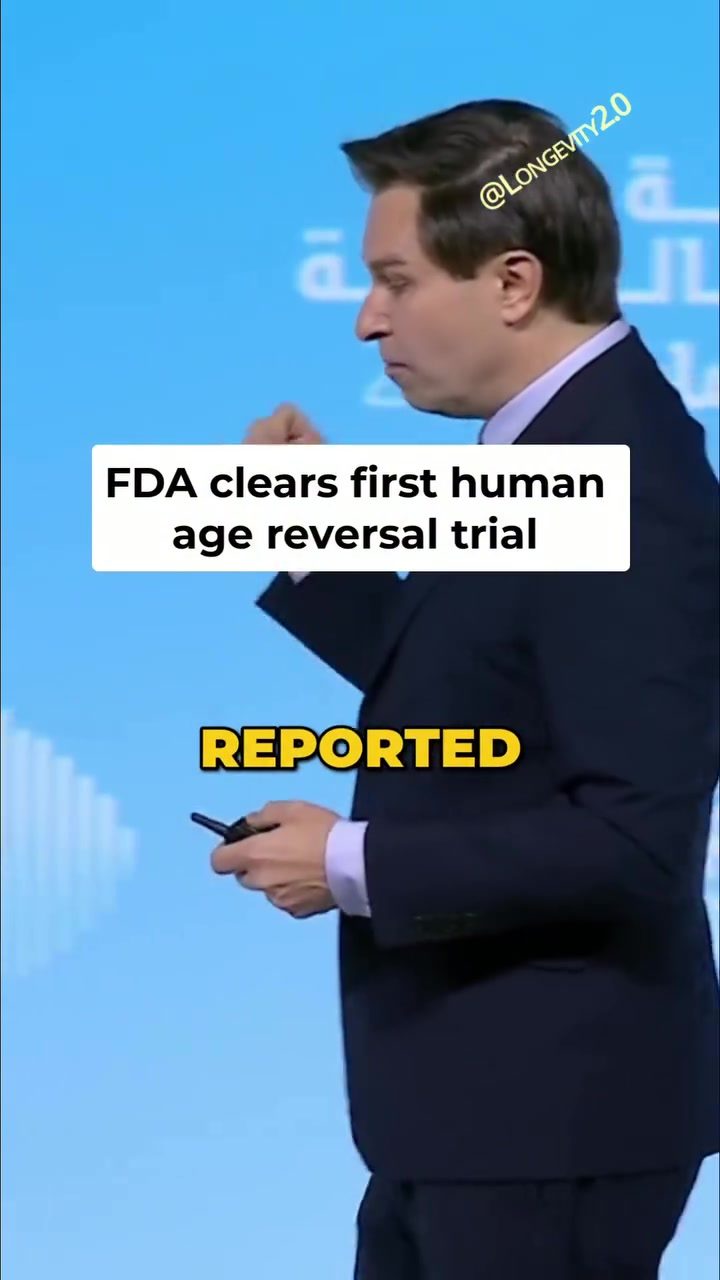
Age Reversal Trials and Their Potential Impact on Health
Age reversal as a concept has long captured the imagination of scientists and enthusiasts alike. Recently, significant strides have been made in this area, particularly with the US Food and Drug Administration (FDA) clearing the way for the first human trial of age-reversal technology. This breakthrough is poised to revolutionize how we treat age-related diseases, with early efforts focusing on vision loss. Longevity20, a pioneering company in this field, has played a pivotal role in this development, raising around $80 million to fund these groundbreaking trials.
Context / Why This Matters
The idea of age reversal is not new; however, the transition from theoretical to practical applications marks a significant milestone. Traditionally, aging has been seen as an inevitable process with no cure. But with the advent of age-reversal technologies, there is a growing belief that aging can be treated like a disease, much like any other medical condition.
This is particularly significant for people suffering from age-related diseases, such as glaucoma and macular degeneration. If successful, age-reversal therapies could offer hope for treating blindness and potentially other conditions that affect the quality of life in older adults.
Main Discussion
The FDA's Role in Age Reversal
The FDA's clearance for the first human age-reversal trial is a monumental step. This regulatory body is known for its stringent standards and thorough evaluations, ensuring that any new treatment undergoes rigorous testing before it reaches patients. The FDA's support for this trial underscores the potential of age-reversal technology, suggesting that it could be a viable treatment option in the future.
Longevity20, along with other researchers, has been working tirelessly to develop technologies that can reverse the aging process. Cellular reprogramming, a key technique in age-reversal technology, has shown promising results in animal studies. The goal is to restore function in damaged retinal cells, which could lead to the treatment of blindness and potentially other age-related diseases.
The Scope and Scale of the Trials
Initially, the trials will focus on treating glaucoma and macular degeneration, both of which are leading causes of blindness. If successful, these therapies could be extended to other parts of the body, addressing a broader range of age-related conditions. The trials are set to begin in the coming months, with results expected to be available later this year.
Longevity20 has managed to raise around $80 million to support these trials, indicating a strong belief in the potential of age-reversal therapies. This financial backing is crucial in ensuring that the trials are conducted with the highest standards of research and that any potential breakthroughs are thoroughly investigated.
The Potential Impact on Medicine
The success of these trials could pave the way for a new era in medicine, where age reversal is a viable treatment option for various conditions. This could revolutionize how we approach healthcare, shifting the focus from managing symptoms to addressing the root cause of aging itself.
Moreover, the implications of age-reversal technology go beyond just medical treatments. If successful, it could lead to a significant improvement in the quality of life for millions of people, reducing healthcare costs and opening new avenues for research.
Practical Tips
Staying Informed
Given the experimental nature of these trials, staying informed about the latest developments is crucial. Subscribing to newsletters and following reliable sources can help you stay updated on the progress and results of these trials.
Participating in Clinical Trials
For those who might qualify, participating in clinical trials can be a way to contribute to medical advancements while potentially benefiting from new treatments. However, it's essential to consult with healthcare providers and understand the risks and benefits involved.
Supporting Research
Financial support for research is vital in advancing age-reversal technologies. Contributing to organizations or initiatives focused on this area can help accelerate the development of new treatments.
Important Takeaways
Age reversal is no longer just a theoretical concept. The FDA's clearance for the first human trial marks a significant step towards making age-reversal technology a practical treatment option. The trials, initially focusing on vision loss, could pave the way for broader applications in the future. While the results are still experimental, the progress made so far is encouraging and holds promise for the future of medicine.
Conclusion
The FDA's clearance for the first human age-reversal trial represents a turning point in medical research. With Longevity20 leading the way, the coming months and years will be pivotal in determining the viability and effectiveness of age-reversal therapies. As we await the results, one thing is clear: the future of treating age-related diseases is looking brighter than ever before.
Questions readers ask
What is the significance of the FDA approving the first human trial for age-reversal technology focused on vision loss?
This approval marks a pivotal moment in medical research, as it's the first time age-reversal technology will be tested on humans. The trial's focus on vision loss, specifically conditions like glaucoma and macular degeneration, could pave the way for new treatments for age-related blindness and other diseases.
Which company is spearheading the age-reversal trials for vision loss?
Longevity20 is the company leading these efforts. They have secured significant funding, raising around $80 million to support these pioneering trials, demonstrating a strong commitment to advancing age-reversal technology.
What are some of the age-related diseases that could potentially benefit from age-reversal technology?
While the initial trials focus on vision loss, particularly glaucoma and macular degeneration, the potential extends to other age-related diseases. Successful trials could lead to new therapies for a range of conditions impacted by aging, such as heart disease, diabetes, and certain cancers.
How does this human trial differ from previous studies on age reversal?
Previous studies on age reversal have largely been confined to laboratory settings and animal testing. This FDA-approved trial marks the first time age-reversal technology will be tested on human participants, bringing us closer to understanding its real-world applications and benefits.
What are the potential implications of successful age-reversal trials for vision loss?
Successful trials could revolutionize the treatment of age-related vision loss and blindness. They could offer new hope to millions of people affected by conditions like glaucoma and macular degeneration, potentially improving their quality of life significantly.
What challenges might be encountered during the age reversal trials for vision loss?
The trials may face several challenges, including ensuring the safety and efficacy of the age-reversal technology in human subjects, managing potential side effects, and navigating the complexities of regulatory approval. Additionally, the variability in patient responses to the treatment could pose hurdles in determining the overall effectiveness of the therapy.
What steps are likely to follow the completion of these initial age-reversal trials for vision loss?
If the initial trials are successful, the next steps would likely involve larger, more comprehensive studies to further validate the results. This could include additional human trials with a broader range of participants and potentially exploring the application of age-reversal technology to other age-related diseases. The ultimate goal would be to develop widely accessible and approved therapies based on the findings.
Recent articles
Fresh deep dives from the latest Reels we unpacked.




Comments
Be the first to comment.