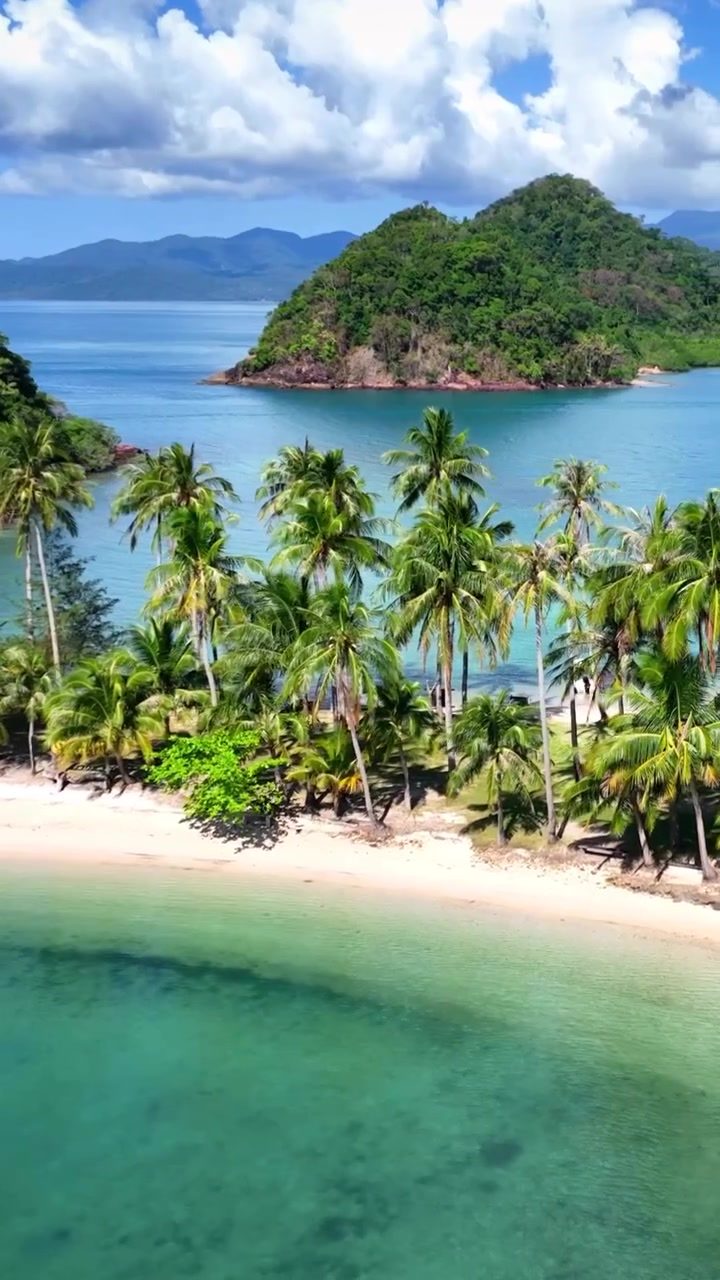
Tropical Beach Scenery: The Eternal Allure
Tropical beaches conjure images of paradise with their lush palm trees, crystal-clear waters, and tranquil ambiance. These coastal havens are more than just vacation destinations; they embody a lifestyle of relaxation and natural beauty. The allure of tropical beaches lies in their unique blend of serene landscapes and vibrant ecosystems, making them a magnet for travelers seeking respite from the daily grind.
Why Tropical Beaches Matter
Tropical beaches are not just pretty places to visit; they play a significant role in global tourism, local economies, and environmental conservation. From supporting wildlife to fostering cultural experiences, these coastal regions are vital for both ecological balance and human enjoyment. Let's delve into why these beaches hold such enduring appeal.
The Role of Tropical Beaches in Tourism
Tropical beaches are a cornerstone of the global tourism industry. Destinations like the Maldives, Hawaii, and the Caribbean attract millions of visitors each year, contributing significantly to their economies. Tourism in these regions generates jobs, supports local businesses, and funds conservation efforts. The economic boost from tourism can lead to infrastructure improvements, better healthcare, and enhanced educational opportunities for local communities.
The Environmental Significance
Beyond their economic value, tropical beaches are ecological powerhouses. They serve as habitats for a diverse array of marine life, including coral reefs, which are among the most biodiverse ecosystems on Earth. These reefs support a wide array of species, from tiny fish to large marine mammals, and contribute to the overall health of the ocean. Additionally, mangrove forests and seagrass beds along tropical coasts act as natural buffers, protecting the shoreline from erosion and storms while sequestering carbon from the atmosphere. These ecosystems are essential for maintaining the ecological balance and ensuring the sustainability of our planet.
Cultural and Recreational Value
Tropical beaches offer a rich tapestry of cultural experiences. From the vibrant festivals of the Caribbean to the ancient temples of Bali, these destinations are steeped in history and tradition. Visitors can immerse themselves in local customs, enjoy traditional cuisines, and participate in age-old rituals. The recreational opportunities are equally enticing, with activities like snorkeling, surfing, and scuba diving providing thrilling adventures. The blend of cultural immersion and outdoor fun makes tropical beaches a well-rounded holiday experience.
Exploring the Beauty of Tropical Beaches
The beauty of tropical beaches is multifaceted, encompassing both natural wonders and human-centric attractions. Let's explore some of the key elements that make these destinations so captivating.
The Aerial Perspective
From the sky, tropical beaches reveal a breathtaking panorama of lush landscapes and azure waters. The aerial view showcases the intricate composition of palm trees lining the shore, turquoise waters, and forested islands in the distance. This vantage point not only provides a stunning visual but also highlights the geographical features that make these beaches unique. The aerial perspective is a testament to the untouched beauty that awaits beneath the clouds.
The Coastal Line
The coastline of a tropical beach is a dynamic and diverse ecosystem. From rocky cliffs to sandy shorelines, each type offers a unique experience. Rocky coasts often feature scenic cliffs and hidden coves, perfect for exploration and photography. Sandy beaches, on the other hand, provide endless opportunities for recreation, from swimming and sunbathing to beach sports. The diversity of the coastal line ensures that there is something for everyone, whether you seek adventure or relaxation.
The Marine Life
One of the most exciting aspects of tropical beaches is the marine life that thrives in the surrounding waters. Coral reefs teem with vibrant fish, colorful corals, and other aquatic creatures. Snorkeling and scuba diving offer unparalleled opportunities to witness this underwater wonderland. From the graceful movements of sea turtles to the vibrant hues of tropical fish, the marine life in tropical regions is a spectacle worth experiencing.
The Cultural Landmarks
Tropical beach destinations are often rich in cultural landmarks and historical sites. Temples, ruins, and local markets provide a glimpse into the region's heritage. For example, the stone carvings and ancient temples of Bali offer a rich cultural experience, while the vibrant markets of the Caribbean showcase local crafts and traditions. These landmarks add depth to the vacation experience, offering a blend of leisure and cultural enlightenment.
Practical Tips for Visiting Tropical Beaches
Visiting a tropical beach can be a life-changing experience, but planning is key to ensuring a smooth and enjoyable trip. Here are some practical tips to help you make the most of your visit.
Research and Planning
Before embarking on your journey, conduct thorough research on the destination. Understand the local customs, climate, and any necessary travel documents. Planning your itinerary in advance will help you make the most of your time and ensure you don't miss out on any must-see attractions.
Packing Essentials
Packing the right gear is essential for an enjoyable tropical beach vacation. Essential items include:
- Sunscreen and after-sun lotion
- A wide-brimmed hat and sunglasses
- Comfortable and breathable clothing
- Waterproof bags for electronics and valuables
- Reef-safe sunscreen to protect marine life
Safety Precautions
Tropical beaches offer a variety of water activities, but it's crucial to prioritize safety. Swim in designated areas, be cautious of strong currents, and always follow local safety guidelines. Additionally, stay hydrated and protect yourself from the sun to avoid heat exhaustion and sunburn.
Cultural Sensitivity
Respecting local customs and traditions is paramount. Dress appropriately when visiting cultural sites, and be mindful of local etiquette. Engaging with locals can enrich your experience, providing insights into their way of life and fostering cultural exchange.
Environmental Conservation
As a responsible traveler, practice sustainable tourism. Avoid littering, use eco-friendly products, and support local conservation efforts. Many tropical destinations offer eco-tours and sustainable lodging, giving you the opportunity to enjoy the beauty while preserving it for future generations.
Important Takeaways
Visiting a tropical beach is more than just a vacation; it's an experience that combines natural beauty, cultural richness, and recreational opportunities. By understanding the significance of these beaches, planning effectively, and practicing responsible tourism, you can ensure a memorable and impactful trip. The allure of tropical beaches lies in their unique blend of serenity and vibrancy, making them a destination worth exploring.
Conclusion
Tropical beaches are a testament to nature's beauty and human ingenuity. From their economic and environmental significance to their cultural and recreational value, these destinations offer a rich tapestry of experiences. Whether you're seeking relaxation, adventure, or cultural immersion, tropical beaches have something for everyone. Embrace the allure of these paradise-like destinations and create memories that will last a lifetime.
Related deep dives
Similar reads based on topic and creator.




Recent articles
Fresh deep dives from the latest Reels we unpacked.




Comments
Be the first to comment.