Police Dog Adoption
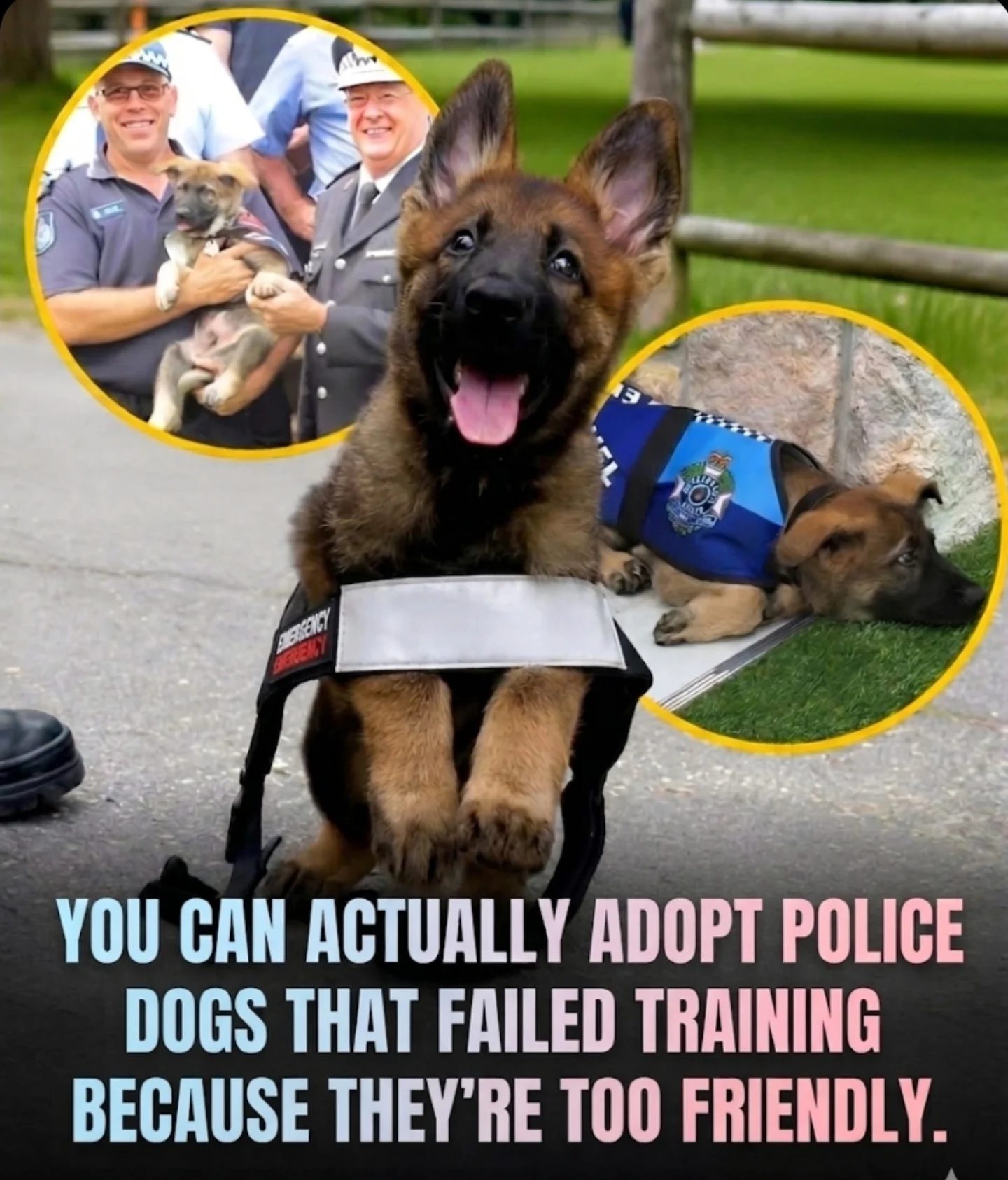
Police dogs, often trained for specialized roles in law enforcement, sometimes fail to meet the rigorous standards required. This doesn’t necessarily mean their careers are over, though. The good news is that many of these dogs can be adopted. Why does this matter? Police dogs are typically well-trained, socialized, and often have unique qualities that make them excellent companions.
Context / Why this Matters
Adopting a police dog can be a rewarding experience. These dogs have undergone rigorous training and socialization, making them well-behaved and adaptable to various environments. For many, the idea of adopting a police dog is intriguing, but it often comes with misconceptions about the process and the dogs themselves.
Main Discussion
The Training Process
Police dogs undergo extensive training to prepare them for various roles, including tracking suspects, detecting contraband, and even providing security. The training process is rigorous and not all dogs make the cut. Sometimes, dogs fail the training due to being too friendly, which might make them unsuitable for roles that require aggression or assertiveness. For example, Gavel, a puppy who entered the Queensland Police Service’s dog training program in Australia, was deemed "too friendly" for the force. Despite his affectionate nature, Gavel found a new role as the Vice-Regal Dog of Queensland, where he welcomed guests and attended formal ceremonies.
Reasons for Release
Dogs are "released" from training programs for various reasons, not just because they are too friendly. Medical issues, lack of toy drive, or being overly anxious or hyperactive can also lead to their release. These dogs are typically between 1 and 2 years old, which means they have had excellent early socialization and basic obedience training. This makes them great candidates for adoption, as they are already well-behaved and accustomed to structured environments.
The Adoption Process
Adopting a police dog is a competitive process. The waitlists for organizations that adopt out released dogs can be years long, and some agencies close their lists periodically due to high demand. This is because these dogs are incredibly popular. The process is highly competitive, and potential adopters should be prepared for a thorough evaluation process. This ensures that the dogs go to loving and suitable homes.
The Benefits of Adopting a Police Dog
Police dogs make excellent pets for several reasons. They are typically well-trained, obedient, and have undergone rigorous socialization. This means they are less likely to exhibit behavioral issues common in other dogs. Additionally, many police dogs have unique qualities that make them stand out. For example, they may be particularly good at following commands or have a strong bond with their handlers.
What to Expect
When adopting a police dog, it's important to have realistic expectations. These dogs have been trained for specific roles and may have unique needs. For instance, they might require more mental stimulation or physical activity than a typical pet. However, with the right care and training, police dogs can make wonderful companions.
Practical Tips
Preparing for Adoption
- Research: Understand the breed and training background of the dog you are interested in. Each breed has unique needs and traits.
- Evaluate Your Lifestyle: Ensure that your lifestyle and living situation are suitable for a police dog. These dogs often require more space and activity.
- Training: Be prepared to continue their training. Even after being released, these dogs may need additional reinforcement of their training to adapt to a home environment.
- Patience: The adoption process can be long and competitive. Be patient and persistent.
Caring for a Police Dog
- Socialization: Continue to socialize your dog with people and other animals. This helps them adapt to various environments and reduces the risk of behavioral issues.
- Exercise: Ensure your dog gets enough physical activity. Police dogs are often high-energy and need regular exercise to stay healthy and happy.
- Mental Stimulation: Provide mental stimulation through games, puzzles, and training sessions. This keeps their minds active and prevents boredom.
Important Takeaways
- Adoption is Possible: Police dogs that fail training can be adopted. This provides a second chance for these well-trained dogs to find loving homes.
- Competitive Process: The adoption process is highly competitive, with waitlists that can be years long. Be prepared for a thorough evaluation.
- Unique Qualities: Police dogs have unique qualities that make them excellent companions. They are well-trained, socialized, and often have a strong bond with their handlers.
- Adaptation: Be prepared to adapt to a police dog’s needs. They may require more mental stimulation and physical activity than a typical pet.
Conclusion
Adopting a police dog can be a rewarding experience, but it requires careful consideration and preparation. These dogs have unique qualities that make them excellent companions, but they also have specific needs that must be met. If you’re prepared to provide the right care and environment, adopting a police dog can be a wonderful addition to your life.
Questions readers ask
What makes retired police dogs good candidates for adoption?
Retired police dogs are often well-trained and socialized, making them excellent companions. Their unique backgrounds mean they are typically calm, obedient, and adaptable to various environments, which can make them a great fit for many families.
How can I adopt a former police dog in Queensland?
To adopt a former police dog in Queensland, you should contact local police departments or animal shelters that specialize in police dog adoptions. They can provide you with information on available dogs, the adoption process, and any specific requirements they may have.
What should I expect from the police dog adoption process?
The adoption process for former police dogs usually involves an application process, a home visit, and possibly an interview to ensure the dog will fit well with your lifestyle. Be prepared to provide references and possibly undergo a background check, as the well-being of the dog is a top priority.
Are retired police dogs healthy?
Retired police dogs may have health issues stemming from their time in service, so it's important to ask about their medical history. Many former police dogs are in good health, but some may have injuries or conditions that require ongoing care.
What kind of training do former police dogs have?
Former police dogs have undergone rigorous training in various specialized roles, such as detection, patrol, or tracking. While they may not use these skills in a home environment, they often retain a high level of obedience and discipline, which can make them well-behaved pets.
What are the benefits of adopting a former police dog?
Adopting a former police dog can be incredibly rewarding. These dogs are often very loyal, well-behaved, and adaptable. They can make excellent companions and provide unique insights into the world of law enforcement.
Can retired police dogs be adopted by anyone?
While retired police dogs can be adopted by the public, the process can be more selective than traditional dog adoptions. Prospective adopters should be prepared to demonstrate their ability to provide a stable, loving home and may need to meet specific criteria set by the adopting agency.
Related deep dives
Similar reads based on topic and creator.




Recent articles
Fresh deep dives from the latest Reels we unpacked.




Comments
Be the first to comment.