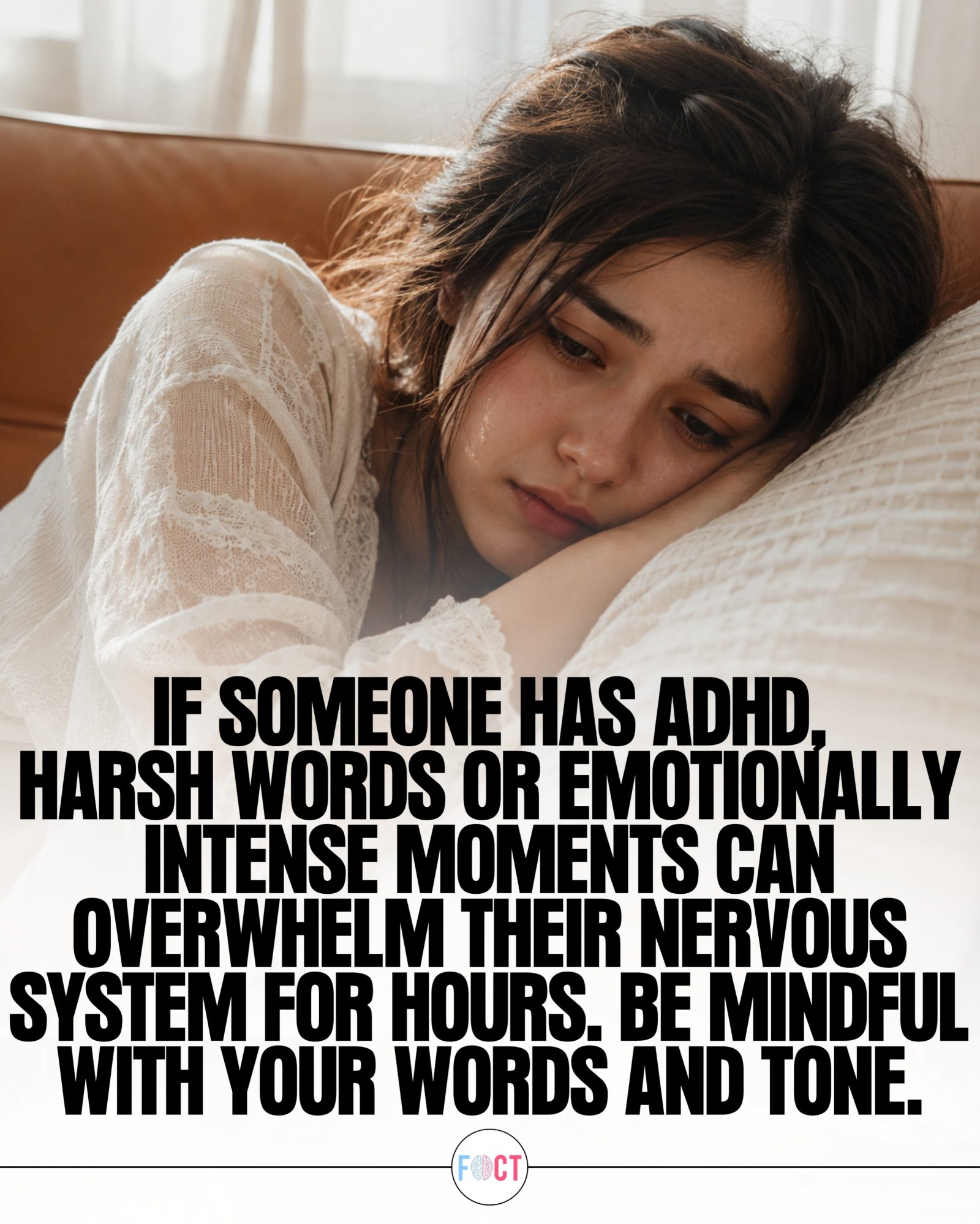
ADHD and Emotional Overwhelm
For individuals with ADHD, emotionally intense situations can be particularly challenging to navigate. These moments can feel much harder to switch off from, and harsh words, criticism, or conflict may keep their mind racing long after the moment has passed. This doesn't mean every person with ADHD experiences emotional overwhelm in the same way, but it is a common struggle for many. Understanding the impact of emotionally charged interactions on individuals with ADHD is crucial for fostering supportive and empathetic environments.
Context / Why This Matters
Emotional regulation is a significant challenge for many people with ADHD. Studies have shown that individuals with ADHD often experience heightened sensitivity to criticism and emotional stimuli, which can lead to prolonged periods of emotional overwhelm. This sensitivity can manifest in various ways, including increased anxiety, difficulty concentrating, and heightened emotional responses.
The emotional intensity of certain situations can be overwhelming for anyone, but for individuals with ADHD, the impact can be more profound and long-lasting. This is due to differences in how their brains process and regulate emotions. For example, when someone with ADHD experiences a harsh comment, their nervous system may stay in a heightened state of alertness for hours. Such prolonged emotional states can interfere with daily activities, relationships, and overall well-being.
Main Discussion
The Impact of Emotionally Intensive Situations
When someone with ADHD encounters emotionally intense situations, their nervous system may remain in a state of heightened arousal long after the event has passed. This prolonged emotional state can be exhausting and disruptive, affecting their ability to focus, sleep, and engage in daily activities. Understanding this aspect of ADHD is crucial for anyone interacting with someone who has the condition, as it highlights the importance of mindful communication and patience.
The Role of Harsh Words
Harsh words or criticism can have a particularly strong impact on individuals with ADHD. For many people, a critical comment might be forgotten quickly, but for someone with ADHD, those words can linger for hours, keeping their mind racing and causing significant emotional distress. This is why it's essential to be mindful of the words and tone used when communicating with someone who has ADHD.
The Importance of Mindful Communication
Mindful communication involves considering both the words and the tone used in a conversation. It means being aware of the emotional impact your words can have on someone and choosing your language carefully. For individuals with ADHD, this can make a significant difference in how they process and recover from emotionally intense situations.
Patience and Space
Giving individuals with ADHD the space and time to process their emotions is also crucial. It's not uncommon for a person with ADHD to need more time to calm down after an emotionally intense moment. Providing a calm and supportive environment can help them regain their composure and feel more in control.
The Need for Support
Individuals with ADHD often experience a significant amount of emotional overwhelm, which can be mitigated with the right support. Understanding their needs and being patient and empathetic can make a big difference in how they manage their emotions. Small changes in communication, such as using a calmer tone and being mindful of your words, can contribute to a more supportive environment.
Practical Tips
Communicating Effectively
When speaking with someone who has ADHD, it’s important to be aware of your tone and word choice. Here are some practical tips for effective communication:
- Choose Your Words Carefully: Avoid harsh or critical language, as this can have a lasting impact on someone with ADHD. Instead, opt for more supportive and encouraging language.
- Use a Calmer Tone: The way you say something can be just as important as what you say. A calm and soothing tone can help diffuse tension and make the conversation more manageable for someone with ADHD.
- Give Them Space: If someone with ADHD is feeling overwhelmed, give them the space and time to process their emotions. Pushing for immediate resolution can often make things worse.
Important Takeaways
- Emotional Regulation: Individuals with ADHD often struggle with emotional regulation, making emotionally intense situations more challenging to navigate.
- Prolonged Emotional States: Harsh words or criticism can keep their mind racing for hours, leading to prolonged periods of emotional overwhelm.
- Mindful Communication: Being mindful of your words and tone can make a significant difference in how someone with ADHD processes and recovers from emotionally intense situations.
Conclusion
Emotional overwhelm is a common experience for individuals with ADHD, and it can significantly impact their daily lives. By understanding the unique challenges they face and being mindful of our communication, we can create more supportive and empathetic environments. Whether it’s through choosing our words carefully, using a calmer tone, or providing the space needed to process emotions, small changes can make a big difference. With patience and understanding, we can help individuals with ADHD manage their emotional overwhelm more effectively.
Recent articles
Fresh deep dives from the latest Reels we unpacked.




Comments
Be the first to comment.