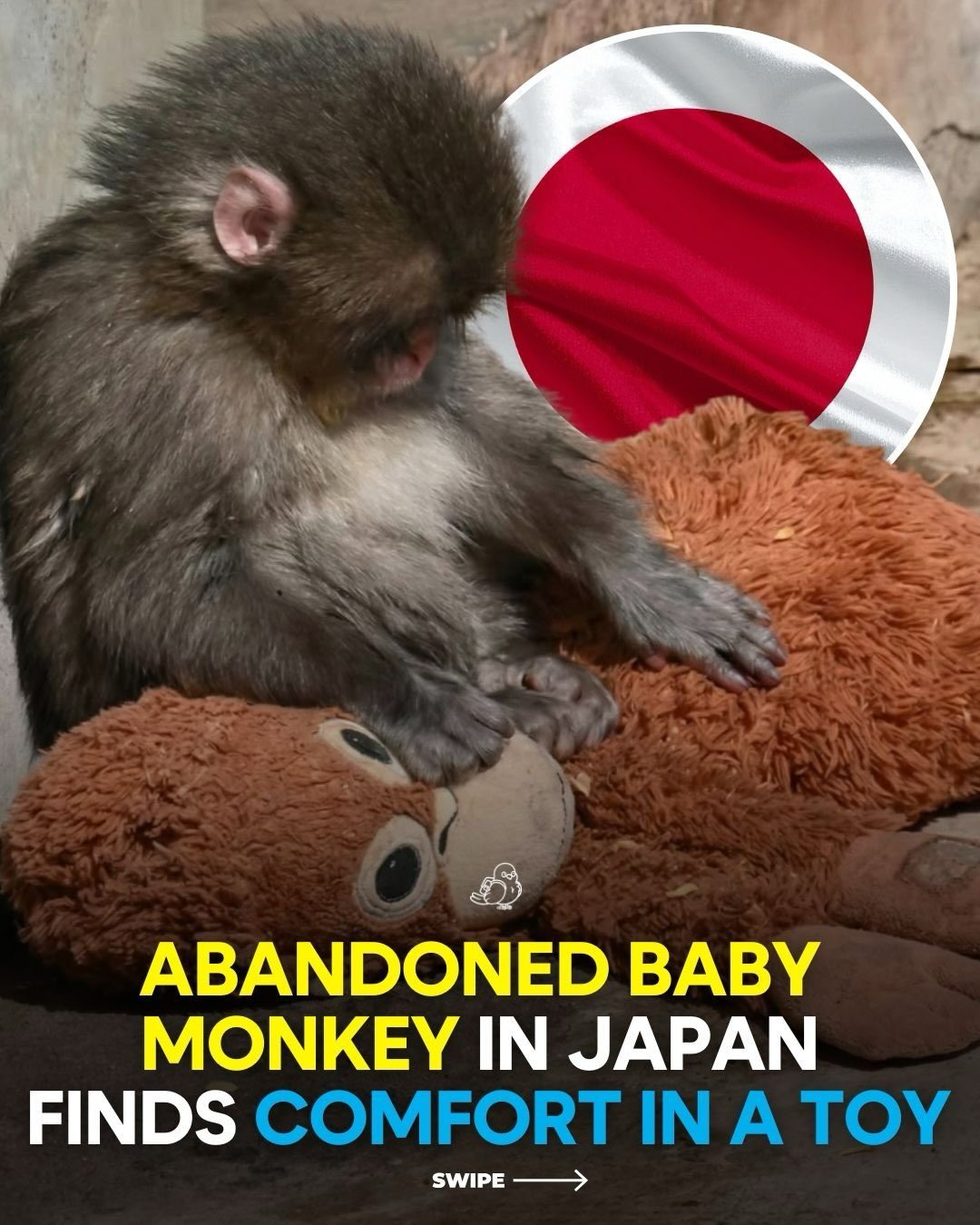
A Baby Macaque's Emotional Bond with a Plush Toy
In the heartwarming world of animal rescue, a baby macaque named Punch at the Ichikawa City Zoo in Japan has captured global attention. Born prematurely and abandoned by his mother, Punch found an unexpected source of comfort in a plush orangutan toy. This extraordinary bond highlights the emotional needs of vulnerable animals and the importance of providing them with comfort and companionship during critical moments of their lives.
Why This Matters
The story of Punch and his plush toy is more than just a heartwarming tale. It underscores the resilience of young animals and the profound impact of emotional support on their well-being. This narrative serves as a reminder that animals, like humans, have complex emotional needs that must be addressed for their healthy development and survival. Zoos and animal sanctuaries around the world are increasingly recognizing the importance of providing such emotional support, showcasing how stuffed toys and other comfort items can play a crucial role in the care of orphaned or abandoned animals.
The Story of Punch and His Plush Toy
A Fragile Beginning
Punch, a baby macaque, was born prematurely at the Ichikawa City Zoo in Japan. Tragically, his mother abandoned him shortly after birth, leaving him vulnerable and in need of immediate care. The zookeepers stepped in to provide the essential medical attention and nurturing he required. However, they soon realized that Punch needed more than just physical care—he needed emotional comfort as well.
The Role of the Plush Toy
In an effort to provide Punch with the comfort and companionship he desperately needed, the zookeepers introduced him to a plush orangutan toy. This small, soft object quickly became a source of solace for the baby macaque. Punch was often seen clinging to the toy while sleeping, carrying it with him as he began to interact with other macaques, and even showing signs of emotional attachment to it. The toy served as a surrogate mother, offering Punch the sense of security and comfort he needed to thrive.
Gradual Social Integration
As Punch grew, the zookeepers gradually introduced him to other macaques, ensuring a smooth transition into social life. The presence of the plush toy during this period was crucial, providing Punch with a familiar and comforting presence amidst the new environment and social interactions. This gradual integration helped Punch develop the social skills necessary to live harmoniously with other macaques, ultimately leading to his successful reintroduction into the group.
Practical Tips for Providing Emotional Support to Young Animals
The story of Punch offers valuable insights into the emotional needs of young animals in care. Here are some practical tips for providing emotional support to vulnerable animals:
Offer Comfort Items
Stuffed toys, blankets, and other comfort items can provide young animals with a sense of security and emotional relief. These items should be soft, clean, and easy to handle, mimicking the presence of a mother or caregiver.
Gradual Introduction to Social Groups
When introducing young animals to social groups, it’s essential to do so gradually. This approach allows the animal to adapt to the new environment at its own pace, reducing stress and anxiety. The presence of a comfort item can help the animal feel more secure during this transition.
Monitor Behavioral Changes
Closely monitor the animal’s behavior to ensure they are adapting well to their new environment and social interactions. Behavioral changes such as increased playfulness, curiosity, and social engagement are positive indicators of emotional well-being.
Provide Nutritional and Medical Care
Ensure that the animal receives the necessary nutritional and medical care to support their physical health and growth. Proper nutrition and medical attention are critical components of overall well-being and emotional resilience.
Important Takeaways
The emotional attachment that Punch formed with his plush toy demonstrates the profound impact of comfort and companionship on the well-being of young animals. Here are the key takeaways from this remarkable story:
- Emotional support is as important as physical care for the healthy development of young animals.
- Comfort items like stuffed toys can provide a sense of security and emotional relief, especially for abandoned or orphaned animals.
- Gradual social integration, coupled with the presence of a comfort item, can help young animals adapt to new environments and social interactions.
- The emotional needs of animals are complex and multifaceted, requiring a holistic approach to care.
Conclusion
Punch’s journey from a vulnerable baby macaque to a thriving member of his macaque group is a testament to the power of emotional support. The plush orangutan toy played a pivotal role in providing him with the comfort and companionship he needed to overcome the challenges of abandonment. This story serves as both a heartwarming reminder and a practical guide to the importance of addressing the emotional needs of young animals. Whether you’re a zookeeper, animal rescuer, or simply an animal lover, understanding and meeting these emotional needs is crucial for the well-being of all animals in our care.
Questions readers ask
Why was the baby macaque, Punch, abandoned by his mother?
Punch was abandoned by his mother because he was born prematurely, which often leads to complications and a lack of maternal care in the animal kingdom.
How did the plush toy help Punch?
The plush toy provided Punch with much-needed emotional support and comfort during his vulnerable time. It helped him feel secure and less stressed, mimicking the comforting presence of his mother.
What role do animal caretakers play in Punch’s life?
Animal caretakers at the Ichikawa City Zoo played a crucial role in ensuring Punch's survival. They provided him with the plush toy, monitored his health, and offered the necessary care and attention to help him thrive.
Have other animals shown similar emotional attachments to inanimate objects?
Yes, many animals, especially young ones, have shown attachments to inanimate objects. Much like Punch, these objects often provide a sense of security and comfort, helping the animals cope with stress and loneliness.
Are there similar instances of animal resilience in other zoos?
There are many examples of animal resilience in zoos. Animals often adapt and find unique ways to cope with adversity, whether it's through bonding with other animals, caretakers, or even inanimate objects like toys.
Related deep dives
Similar reads based on topic and creator.




Recent articles
Fresh deep dives from the latest Reels we unpacked.




Comments
Be the first to comment.