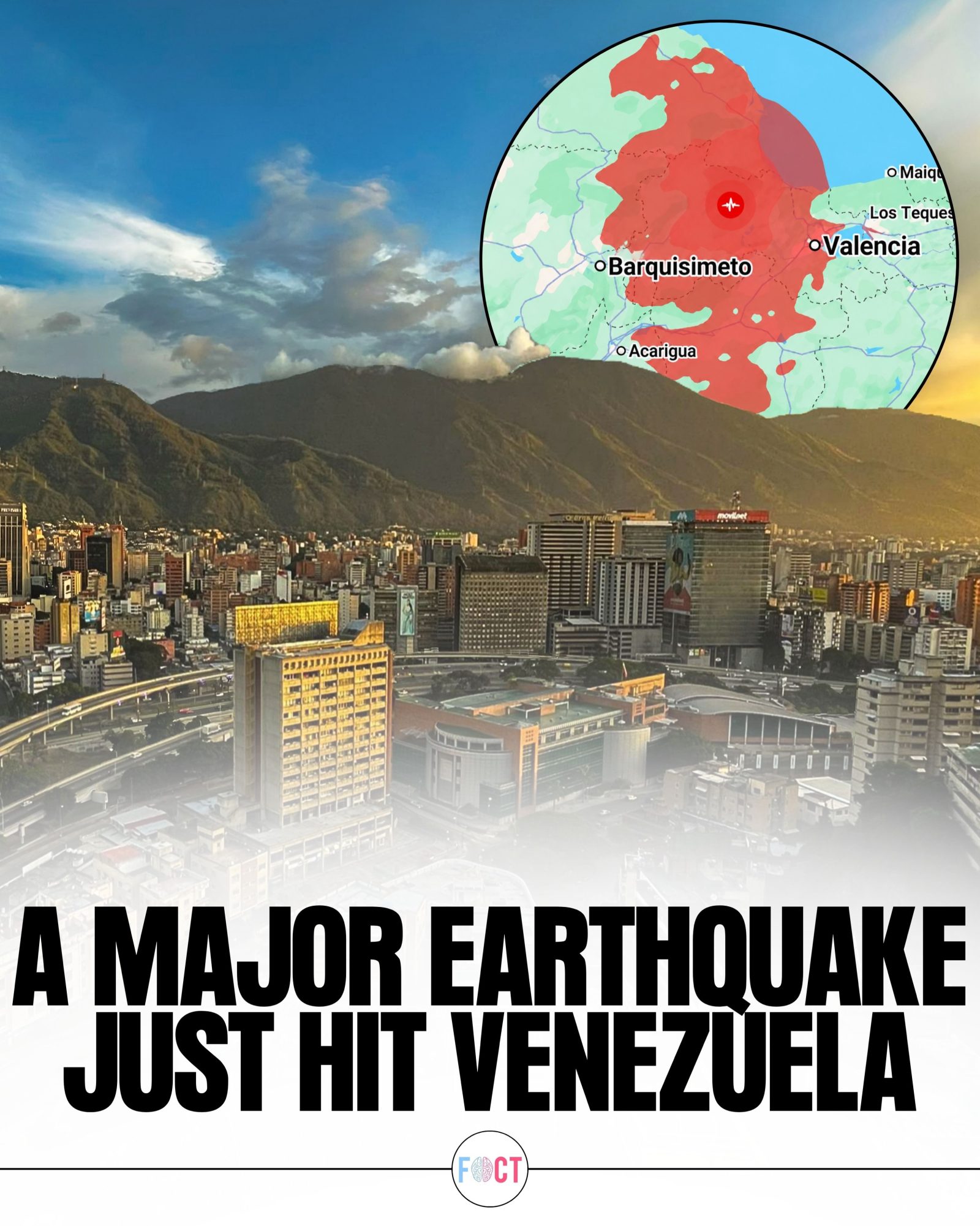
Earthquake in Venezuela
A 7.1-magnitude earthquake struck Venezuela on Wednesday, causing significant shaking in Caracas and prompting residents to evacuate their homes and offices. The quake, which hit near Morón at a shallow depth, was strongly felt across several regions, including Maigue, Los Teques, Barquisimeto, Valencia, and Acarigua. The U.S. Geological Survey confirmed the magnitude and location, highlighting the potential for extensive damage and injuries.
Context
Why This Matters
Earthquakes of this magnitude can have devastating consequences, particularly in densely populated areas like Caracas. The shallow depth of the quake made it even more strongly felt, increasing the risk of structural damage and injuries. Understanding the impact and the areas affected is crucial for both immediate response efforts and long-term planning to mitigate future risks.
Main Discussion
The Impact on Venezuelan Cities
The earthquake's epicenter near Morón meant that several major cities in Venezuela were significantly affected. Caracas, the capital, experienced considerable shaking, leading to widespread fear and confusion among residents. The cityscape of Caracas, with its bustling streets and high-rise buildings, was likely a focal point for the quake's impact. Other areas, including Maigue, Los Teques, Barquisimeto, Valencia, and Acarigua, also reported significant tremors, highlighting the broad reach of the earthquake's effects.
Tsunami Threat
Shortly after the earthquake, a tsunami threat was issued for Puerto Rico and the U.S. Virgin Islands. While the earthquake itself did not directly affect these regions, the potential for secondary hazards such as tsunamis underscores the far-reaching implications of such seismic events. Authorities in these areas were on high alert, assessing the risk and preparing for possible evacuations and other protective measures.
Response and Assessment
In the aftermath of the earthquake, authorities in Venezuela were assessing the extent of the damage and injuries. Emergency services were deployed to affected areas to provide medical assistance and support to those in need. The assessment process is critical for understanding the full impact of the earthquake and for coordinating relief efforts effectively. The public is advised to stay informed and follow the guidance provided by local authorities to ensure their safety and well-being.
Earthquake Preparedness
Earthquakes are unpredictable, but being prepared can significantly reduce their impact. In regions prone to seismic activity, it is essential to have emergency plans in place, including evacuation routes, emergency supplies, and communication strategies. Building codes and infrastructure should also be designed to withstand seismic activity, minimizing the risk of structural collapse and injury.
The Role of Technology
The FC8CT (name of the enterprise) map and other technological tools play a vital role in monitoring and responding to earthquakes. Real-time data and visualizations, such as those provided by FC8CT, help authorities and the public understand the earthquake's impact and take appropriate actions. These tools are essential for effective disaster management and can save lives by providing timely and accurate information.
Practical Tips
What to Do During an Earthquake
- Drop, Cover, and Hold On: If you are indoors, drop to the ground, take cover under a sturdy table or desk, and hold on until the shaking stops. This position helps protect you from falling debris and furniture.
- Stay Away from Windows and Exits: Windows and doors can shatter during an earthquake, causing injury from broken glass or falling debris. Stay away from exterior walls and glass windows to avoid injury.
- If You Are Outdoors: Move to an open area away from buildings, power lines, and other hazards.
- Do Not Use Elevators: If you are in a high-rise building, use the stairs to evacuate. Elevators can become trapped or malfunction during an earthquake.
Preparing for Earthquakes
- Emergency Kit: Assemble an emergency kit that includes essential supplies such as water, non-perishable food, a first-aid kit, a flashlight, and a portable radio. Keep this kit in an easily accessible location.
- Know Your Drills: Practice earthquake drills with your family, so everyone knows what to do in case of an earthquake. Regular drills can help ensure that everyone reacts appropriately during a real event.
- Secure Your Home: Secure heavy furniture and appliances to the walls to prevent them from falling during an earthquake. This can help minimize injuries and damage to your home.
Important Takeaways
Earthquakes are natural phenomena that can have catastrophic effects, especially in densely populated regions. Timely information, preparedness, and quick response are critical for mitigating the impact. By understanding the affected areas, the nature of the quake, and the potential for secondary hazards, authorities and the public can better prepare and respond to such events.
Conclusion
The 7.1-magnitude earthquake in Venezuela serves as a stark reminder of the need for preparedness and quick response in the face of natural disasters. By leveraging technology and implementing effective emergency plans, communities can better withstand the impact of such events and minimize the risk of injury and damage. Stay informed and be ready to act swiftly to ensure the safety of yourself and those around you.
Questions readers ask
Why did the earthquake cause significant shaking in Caracas?
The earthquake was shallow, meaning it occurred close to the Earth's surface, which intensified the shaking. The proximity to Caracas and the high magnitude of 7.1 caused the city to experience strong tremors, leading to evacuations and concerns about structural damage and injuries.
What areas were affected by the earthquake besides Caracas?
The earthquake's impact was felt in several regions, including Maigue, Los Teques, Barquisimeto, Valencia, and Acarigua. The widespread tremors led to evacuations and concerns across these areas.
What role does the U.S. Geological Survey play in the context of this earthquake?
The U.S. Geological Survey (USGS) is crucial for confirming the magnitude and location of the earthquake. They provide vital information about the potential for damage and injuries, making it easier for local authorities to respond to the crisis effectively.
What should residents do during an earthquake?
During an earthquake, residents should 'Drop, Cover, and Hold On' to protect themselves from falling debris and objects. If indoors, take cover under a sturdy table or desk and hold on until the shaking stops. If outdoors, move to an open area away from buildings and power lines to avoid potential hazards.
How does the depth of an earthquake affect its impact?
The depth of an earthquake significantly affects its impact. Shallow earthquakes, like the one in Venezuela, cause more intense shaking and are generally more damaging because the seismic waves have less distance to travel and can cause more significant damage to structures.
What should you do if you feel shaking during an earthquake?
If you feel shaking, quickly move to a safe location such as under a sturdy table or against an interior wall away from windows. If you are outdoors, move to an open area away from buildings and power lines, and stay there until the shaking stops. If you are in a vehicle, pull over to a safe location and stay inside the vehicle.
Recent articles
Fresh deep dives from the latest Reels we unpacked.




Comments
Be the first to comment.