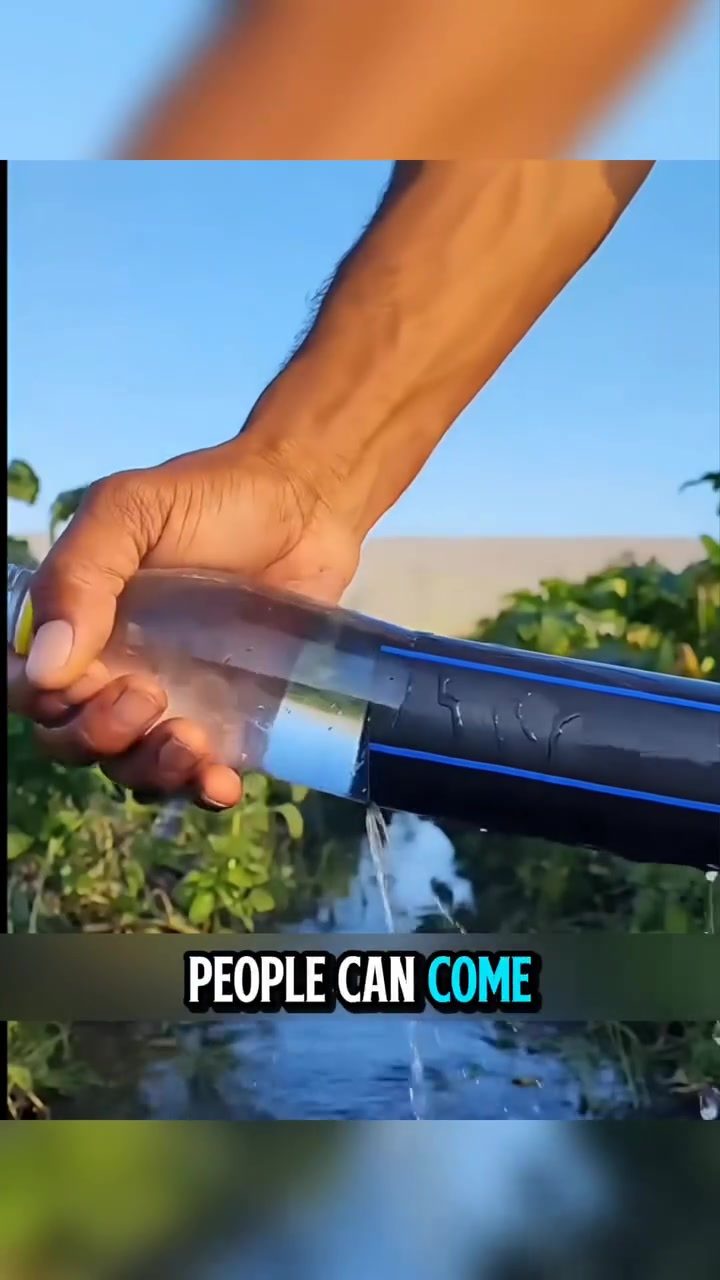
DIY Pipe Repair Hacks
From leaking fittings to broken valves, plumbing issues can be a headache. Fortunately, many common pipe problems can be fixed with simple do-it-yourself (DIY) techniques and household items. These clever hacks not only save money but also provide quick, effective solutions to everyday plumbing issues.
Why This Matters
Plumbing problems can disrupt daily life and cause significant damage if left unaddressed. Knowing how to perform basic pipe repairs can help you maintain your home's plumbing system, avoid costly repairs, and gain a sense of self-reliance. Whether you're dealing with a leaky pipe or a stuck fitting, these DIY hacks offer practical solutions that anyone can implement.
Main Discussion
Temporary Leak Repair
One of the most common plumbing issues is a leaky pipe. If a large water pipe has no valve, you can create a quick, temporary seal using items found around the house. Start by cutting half a plastic bottle and attaching it over the leak. Wrap it tightly with rubber bands and secure it with wire. This method provides a temporary fix until a more permanent repair can be made. This hack is particularly useful in situations where you need to stop the leak immediately to prevent water damage.
Repairing Small Leaks
For smaller pipes, a different approach is needed. A piece of soft hose can be cut and folded into a simple clamp that stops leaks completely. This technique is effective for smaller leaks and can be a lifesaver in tight spaces where larger tools may not fit. The hose clamp can be adjusted to fit the pipe snugly, ensuring a tight seal that prevents water from escaping.
Removing Stuck Fittings
A broken threaded rod stuck inside a pipe fitting can be a frustrating problem to solve. Instead of struggling with a single wrench, lock three wrenches together and use them to twist the broken piece out. This method provides more leverage and makes it easier to remove the stuck fitting. This hack is particularly useful when dealing with corroded or tightly fitted parts, making the removal process smoother and more efficient.
Creative Solutions for Everyday Problems
DIY tricks don't stop at plumbing. Many everyday problems can be solved with surprisingly clever solutions. For example, if you need a clothesline, drill a hole through a PVC pipe, thread a nylon rope through it, and mount it to a wooden board. This simple setup provides a sturdy, adjustable clothesline that can be used both indoors and outdoors.
Another example is using a rake, scissors, and a few rubber bands to create a long-reach pruning tool. This tool makes it easy to cut high branches without the need for a ladder, reducing the risk of falls and making yard work safer and more efficient.
Practical Tips
- Keep Essential Tools on Hand: Having a basic toolkit with items like rubber bands, wire, wrenches, and hoses can help you tackle a variety of plumbing issues quickly and efficiently.
- Use Household Items: Many DIY repairs can be accomplished with items you already have around the house. This not only saves money but also makes it easier to perform repairs on short notice.
- Safety First: Always prioritize safety when performing DIY repairs. Wear protective gear, turn off the water supply when necessary, and ensure your workspace is well-lit and free of hazards.
- Practice Makes Perfect: Like any skill, DIY repairs improve with practice. Don't be discouraged if your first attempts aren't perfect. With experience, you'll become more proficient and confident in your repair abilities.
Important Takeaways
DIY pipe repair hacks are not only practical but also empowering. By learning these techniques, you can handle many common plumbing issues on your own, saving time and money. However, it's important to know your limits. While these hacks can provide temporary fixes and solve minor issues, more complex problems may require the expertise of a professional plumber. Always assess the situation and decide whether a DIY approach is appropriate or if professional help is needed.
Conclusion
Plumbing problems don't have to be a source of stress. With these DIY pipe repair hacks, you can tackle common issues with confidence and efficiency. From creating temporary seals to removing stuck fittings, these tricks offer practical solutions for everyday problems. By keeping essential tools on hand and using household items creatively, you can maintain your home's plumbing system and enjoy the satisfaction of a job well done.
Questions readers ask
What are some common household items that can be used for DIY pipe repair?
Many common household items can be used for DIY pipe repairs. For example, duct tape, rubber sheets, and even silicone caulk can be used for temporary fixes. These items can help you stop leaks and prevent further damage until a more permanent repair can be made.
How can I fix a leaky pipe fitting without any special tools?
To fix a leaky pipe fitting without tools, you can use a penetrating oil, like WD-40. Apply a small amount of the oil to the fitting, and then tighten it gently with your hands. If the leak persists, you can use a piece of rubber sheet or a rubber gasket, cut to size, to create a seal.
What should I do if I have a broken pipe valve?
If you have a broken pipe valve, you can try to fix it by using a pair of pliers or an adjustable wrench to tighten the valve stem. If that doesn’t work, you can use a replacement valve that can be easily installed at a local hardware store. Ensure you turn off the water supply before starting any repairs.
How can I quickly fix a small leak in a pipe?
For a small leak, you can use a piece of electrical tape or duct tape to cover the leak temporarily. Another quick fix is to wrap the leaking area with a rubber sheet or a rubber gasket and secure it with tape. This can hold until you can perform a more permanent repair.
What are the benefits of learning DIY pipe repair techniques?
Learning DIY pipe repair techniques can save you money on professional plumbing services and help you maintain your home’s plumbing system. It also provides a sense of self-reliance and allows you to address issues promptly, preventing further damage and inconvenience.
Are there any preventive measures I can take to avoid common pipe problems?
To prevent common pipe problems, regularly inspect your plumbing system for any signs of leaks or corrosion. Avoid pouring grease or harsh chemicals down the drain, and be mindful of what you flush down the toilet. Regular maintenance can help prolong the life of your pipes and reduce the likelihood of issues.
How can I temporarily fix a pipe without turning off the water supply?
If you need to fix a pipe without turning off the water supply, you can use a pipe clamp or a hose clamp. Wrap the leak with a rubber sheet or a rubber gasket, place the clamp over the area, and tighten it until the leak stops. This method can provide a temporary solution until you can perform a more permanent repair.
Recent articles
Fresh deep dives from the latest Reels we unpacked.




Comments
Be the first to comment.