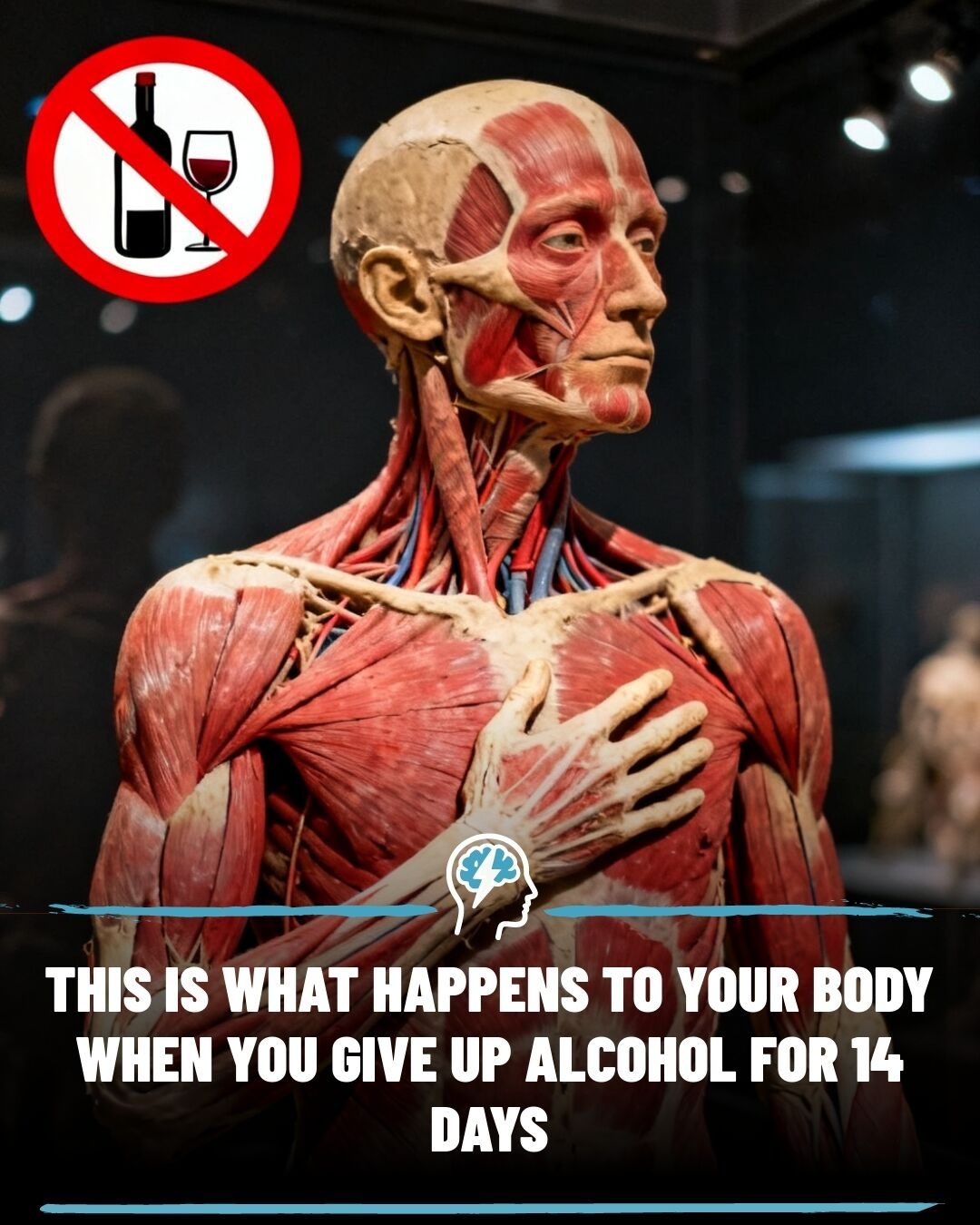
Alcohol Detox: What Happens to Your Body When You Stop Drinking
Alcohol is a staple in many social and cultural events, but it's no secret that excessive consumption can take a toll on your body. One of the most affected organs is the liver, which processes the majority of the alcohol you consume. When you decide to stop drinking, your body begins a natural healing process. This article delves into the potential effects of alcohol abstinence on the body, with a particular focus on the liver and overall health improvements.
Why This Matters
Abstaining from alcohol, even for a short period, can have significant benefits. Understanding these benefits can motivate individuals to take a break from drinking and give their bodies a chance to recover. Whether you're looking to improve your liver health, sleep better, or simply feel more energized, the positive effects of alcohol abstinence can be both immediate and long-lasting.
Potential Effects of Alcohol Abstinence on the Body
Liver Recovery
When you cut alcohol, the liver starts to repair itself within days to weeks. The liver processes about 90% of the alcohol you drink, which means it works overtime to detoxify your system. By removing this workload, liver cells can focus on repair instead of nonstop detox. This can lead to:
- Reduced liver fat: Studies show that liver fat can shrink significantly within a few weeks of abstinence.
- Lower inflammation: Alcohol-related inflammation often drops within about four weeks of breaking from alcohol, supporting the liver's recovery.
Timelines and Individual Variations
It’s important to note that the timelines for recovery can vary based on your drinking history and current liver health. If you have scarring (cirrhosis) from long-term alcohol use, that damage is permanent. However, stopping alcohol consumption can still prevent further harm and help healthy tissue function better.
Additional Health Benefits
Beyond liver health, giving up alcohol for a period can lead to other positive changes in your body:
- Better sleep: Alcohol can disrupt sleep patterns, so abstaining can improve the quality of your sleep.
- Improved hydration: Alcohol is a diuretic, meaning it increases urine production and can lead to dehydration. Cutting out alcohol can help you stay better hydrated.
- Fewer “empty” calories: Alcohol provides calories without nutritional value. Reducing or eliminating alcohol can lead to potential weight changes and overall better nutrition.
- Lower blood pressure: Excessive alcohol consumption can raise blood pressure. Abstaining can help lower it, although individual results may vary.
Practical Tips for Alcohol Abstinence
Setting Realistic Goals
Before you start, set realistic expectations. Giving your liver a break supports its natural healing, but it’s not a magic reset. Abstaining from alcohol for 14 days is a good starting point, but the benefits can continue if you maintain the break for a longer period.
Planning Ahead
Plan your social and recreational activities to avoid situations that might tempt you to drink. Here are a few tips:
- Find alternatives: Switch to non-alcoholic beverages that can mimic the experience of drinking alcohol.
- Stay active: Engage in physical activities that can distract you from cravings.
- Seek support: Share your goals with friends and family who can provide encouragement and hold you accountable.
Monitoring Progress
Keep track of how you feel and any changes you notice in your body. This can motivate you to continue your alcohol-free journey. Some people find it helpful to:
- Journal their experiences: Write down how you feel physically and emotionally.
- Track sleep and energy levels: Notice improvements in sleep quality and energy levels.
- Monitor hydration and weight: Pay attention to how your body feels and looks as you become better hydrated and potentially lose weight.
Important Takeaways
Abstaining from alcohol for a period can have profound effects on your body, particularly your liver. The benefits include reduced liver fat, lower inflammation, better sleep, improved hydration, fewer empty calories, and lower blood pressure. It’s essential to set realistic expectations and plan ahead to make the transition smoother. If you have concerns about your liver health or alcohol use, consult a healthcare professional for personalized guidance.
Conclusion
Taking a break from alcohol can lead to significant physical and mental improvements. While the benefits can vary from person to person, the overall impact on your liver and general health is undeniable. By understanding these potential effects and setting realistic goals, you can support your body’s natural healing process and enhance your overall well-being.
Questions readers ask
What are the immediate benefits of abstaining from alcohol for 14 days?
Within just two weeks of abstaining from alcohol, you may experience improved sleep, enhanced hydration, and increased energy levels. Your skin may also improve, and you might notice better digestion and fewer gastrointestinal issues. Additionally, your body will start to repair some of the damage caused by alcohol and reduce inflammation.
How does alcohol abstinence affect liver health?
When you stop drinking alcohol, your liver begins to heal almost immediately. Within days, the liver starts to reduce inflammation and decrease fat buildup. Over a 14-day period, you may see significant improvements in liver function as it works to repair itself and regain its natural ability to process toxins and manage other bodily functions.
Can a 14-day alcohol-free challenge improve mental health?
Yes, abstaining from alcohol for 14 days can have positive effects on mental health. Many people report improved mood, reduced anxiety, and better cognitive function. Without the depressant effects of alcohol, your mind may feel clearer, and you might experience better emotional stability.
What are some ways to support liver health during alcohol abstinence?
To support your liver during a 14-day alcohol-free challenge, focus on a balanced diet rich in fruits, vegetables, and lean proteins. Staying hydrated by drinking plenty of water is also crucial. Regular exercise can further aid in liver repair and overall health improvement, as it helps reduce inflammation and promote better liver function.
What should I expect during the first few days of alcohol abstinence?
During the first few days of alcohol abstinence, you might experience withdrawal symptoms such as headaches, nausea, and irritability. These symptoms are usually temporary and should subside within a few days. Staying hydrated, eating well, and getting plenty of rest can help alleviate these discomforts. After the initial withdrawal period, you may start to feel more energized and experience other health benefits.
Recent articles
Fresh deep dives from the latest Reels we unpacked.




Comments
Be the first to comment.