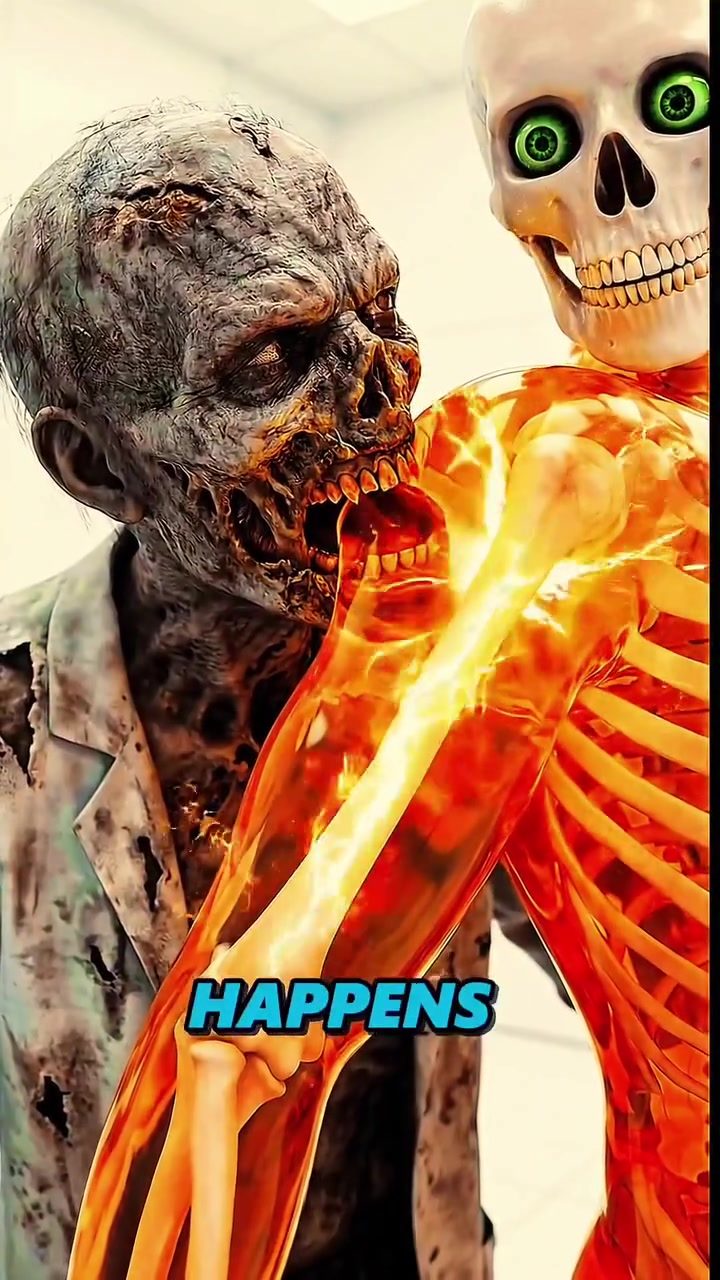
Zombie Transformation
Zombies are a staple of horror and fantasy genres, but what actually happens when a zombie bites you? The transformation process is both gruesome and fascinating, involving a series of physiological and psychological changes. Understanding this process can provide insights into the lore and mechanics of zombie narratives.
Why This Matters
The transformation from human to zombie is a central theme in many stories and games. Whether you're a fan of zombie movies, books, or video games, knowing the details of this process can enhance your appreciation and understanding of the genre. It also provides a unique perspective on what could happen in a hypothetical zombie apocalypse.
What Happens When a Zombie Bites You
Initial Contact
Within the first 10 seconds, the teeth of a zombie break the skin, injecting a mysterious virus into your bloodstream. Adrenaline rushes through your system, temporarily numbing the pain and masking the initial effects of the bite. This adrenaline surge is your body's natural response to injury, preparing you for a fight-or-flight reaction.
The First Hour
One hour after the bite, the virus begins to incubate. A burning sensation radiates from the wound, indicating that the virus has started to take hold. You feel a thick, strange heat moving up your veins toward your heart. This sensation is your body's attempt to combat the invading pathogen, but unfortunately, it's not enough to stop the virus's progress.
Six Hours In
At the six-hour mark, a high fever sets in, causing your body temperature to spike to 105 degrees fahrenheit. This extreme heat is your body's desperate attempt to cook out the invader, but it only serves to accelerate the transformation. Your body shakes violently, further weakening your immune system and making you more susceptible to the virus.
The Final Stages
Twelve Hours
By the 12-hour mark, your immune system has failed, and the virus breaches the final barrier. This is when you start to lose motor skills and cognitive function. A primal hunger takes root, marking the beginning of the end for your human self. This hunger is not for food, but for flesh—the hallmark of a zombie's insatiable craving.
The 24-Hour Mark
The transformation is complete 24 hours after the initial bite. The person you were is gone, replaced by a host—a new entity controlled by the zombie virus. Your heart stops, then restarts with a new, unnatural rhythm, signaling the end of your human life and the beginning of your undead existence.
Practical Tips
While the idea of a zombie apocalypse is purely fictional, understanding the transformation process can be a fun way to engage with the genre. If you ever find yourself in a zombie narrative, here are some practical tips:
- Avoid Bites: The best way to prevent the transformation is to avoid getting bitten in the first place. Stay alert and be cautious in areas with potential zombie activity.
- Seek Medical Attention: If you are bitten, seek immediate medical attention. In a zombie world, this could mean finding a makeshift clinic or a survivor with medical training. Early intervention might help slow the virus's progress.
- Stay Prepared: Always have a first-aid kit and any necessary supplies on hand. This could include antiseptic wipes, bandages, and any over-the-counter pain relievers or fever reducers that could help manage symptoms.
Important Takeaways
The zombie transformation process is a gradual descent into primal hunger and loss of self. From the initial bite to the final stages, the body goes through a series of drastic changes, ultimately leading to the death of the human self and the birth of a new, undead entity. While this process is purely fictional, it provides a fascinating lens through which to view the undead genre.
Conclusion
The zombie transformation is a complex and intricate process. From the initial adrenaline surge to the primal hunger and eventual death, each stage reveals the gruesome and captivating nature of this transformation. Whether you're a fan of zombie lore or simply curious about the mechanics, understanding this process can enhance your appreciation for the genre.
Questions readers ask
What are the immediate effects of a zombie bite?
The immediate effects of a zombie bite include an intense adrenaline surge and a rapid increase in body temperature, often spiking to 105 degrees Fahrenheit. This initial response is part of the body's fight-or-flight mechanism, triggered by the trauma of the bite.
How does the zombie virus progress through the body?
After the initial bite, the zombie virus quickly travels through the bloodstream, targeting and altering the body's vital systems. This includes the nervous system, respiratory system, and cardiovascular system, gradually shutting down normal bodily functions.
What are the symptoms of a zombie virus infection?
Symptoms of a zombie virus infection can include severe fever, confusion, and changes in behavior. As the virus progresses, victims may experience loss of coordination, increased aggression, and a lack of response to pain, leading to a complete transformation.
How long does it take for a zombie transformation to occur?
The transformation from human to zombie typically occurs within 24 hours, although this can vary depending on the specific zombie lore. The process begins with the initial bite and progresses through various stages of physiological and psychological deterioration.
Can a zombie bite be survived?
In most narratives, a zombie bite is fatal and leads to transformation. However, some stories explore the idea of survivors or individuals who are immune to the virus, adding layers of complexity to the plot and character development.
What happens during the incubation period of a zombie virus?
During the incubation period, which can last from minutes to hours, the virus begins to replicate and spread. Victims may experience flu-like symptoms, such as chills, fever, and nausea, as well as increasing agitation and disorientation.
How does the virus alter the body's systems during the transformation?
The virus systematically shuts down the body's systems, starting with the nervous system to alter behavior and coordination. It then targets the respiratory and cardiovascular systems, leading to eventual organ failure and the complete transformation of the victim into a zombie.
Related deep dives
Similar reads based on topic and creator.


Recent articles
Fresh deep dives from the latest Reels we unpacked.




Comments
Be the first to comment.