"Valley of the Fallen Angels" — How Waterfall Spectacles Make Yosemite
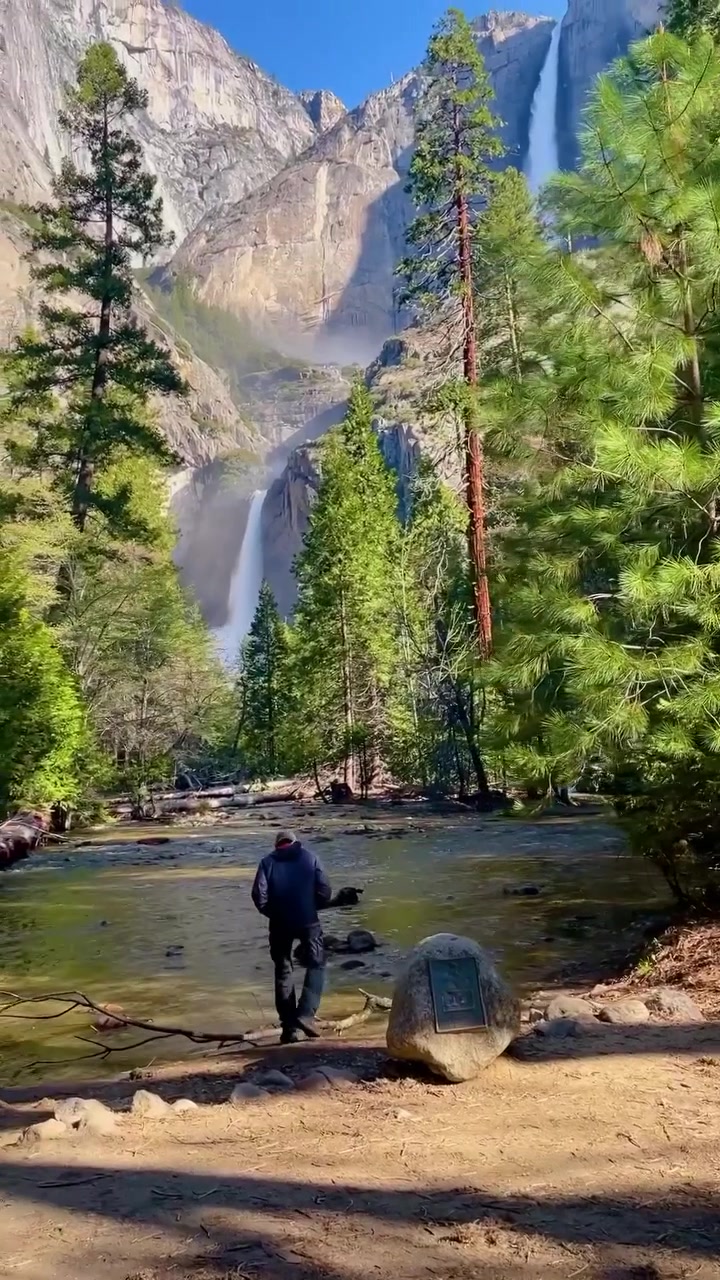
Yosemite Valley's beauty is renowned. In the 9 seconds that comprise this video, a clue to its allure. A person stands captivated at the water's edge. A river flows gently, surrounded by green trees, rocky terrain, and a waterfall.
"A Symphony of Nature": what Yosemite is in all its parts
Yosemite Valley is a place where nature's finest sculptures are rendered visible. The valley's distinctive grandeur has been attracting visitors since the 19th century. But the waterfalls form the main attraction — among these, the Yosemite Falls, a 2,425-foot cascade unique to the world. Yosemite Valley is a 13.4-mile-long canyon. Its walls are a sequence of breathtaking formations. These have been created over time by flowing water and ancient glaciers. The valley is part of Yosemite National Park. It was originally home to Ahwahneechee Native Americans, but is now a popular tourist destination. The Valley is lined by the Merced River, which flows through on its journey from the Sierra Nevada mountains. The green trees and rocky terrain give it an ethereal appearance. It has a visual beauty that is difficult to take in at once. The waterfalls add to its charm, as well as the mist that they create. Adding the perfect amount of gentle mystery to the location.
"More Than a Pretty Face": Yosemite's Power and Presence
Yosemite includes several waterfalls. It also has other lesser-known attractions. There are various hiking trails and camping areas. The valley’s waterfalls are among the purest expressions of nature's force, which is what makes them so mesmerising. When compared to the scenic beauty of other parts of the world, Yosemite stands out because of its unique balance of wild nature and accessibility. It keeps drawing visitors for these reasons. The Valley center has some of the most iconic natural features in the U.S. The unparalleled beauty and scale of Yosemite Falls, El Capitan, and Half Dome are what distinguish it. Because of its abundance of granite, Yosemite is a goldmine for climbers. The lakes and rivers are a pleasure to hikers. Moreover, because of the variety of plant and animal life, Yosemite and its surrounding areas offer many options for wildlife watching. One of the most well-known locations in the world. The valley forms part of the Sierra Nevada. Despite its beauty, large parts of it remain wild.
The Waterfall Spectacle
"The Valley of Waterfalls"
Yosemite's unique topography means that there's a waterfall for both tourists and the locals. The best-known waterfall in the park is the Yosemite Falls, which has a vertical drop of 2,425 feet and is subdivided into three portions. There is a 1,750-foot-long drop from the top of the Lower Yosemite Fall to the base. The waterfall's power slowly increases as it flows over the cliff. It's the largest in North America. Moreover, it is the 6th highest in any nation.
"'Splendid spectacle'"
The waterfall's thunderous roar is amplified by its height. It amplifies the force of the falling water. The mist generated by the falls adds to the landscape's ethereal quality. It creates a rainbow-like atmosphere. The mineral contents of the water are also the source of this mist. It plays a role in the formation of the valley's plant life.
"The Yosemite Falls' Many Modes"
The Yosemite Rapids waterfall changes in volume and velocity. The quantity of the waterfall fluctuates. It depends upon the time of year, climate, and season. The water level is the greatest in early summer, when snowmelt and rainfall combine to create an enormous cascade. However, flows decline in the fall and remain sluggish all year. Rain and snowmelt increase water as the winter approaches. The Yosemite Falls' shrinking size at the end of summer is a key characteristic. But it doesn't take away from the beauty of the valley. It provides a unique waterfall experience throughout the year.
Why Visit Yosemite? "The Valley of Waterfall Moments"
Visiting Yosemite National Park is a unique experience. The Valley is in the heart of the park. It easily attracts attention. * Plan and supplies: Research weather conditions and pack appropriately. Temperatures range widely on Yosemite Falls, which is representative of mountain weather in general.
- Best time to visit: The spring and early summer (March through June) are the ideal months to visit Yosemite, when water flows are at their greatest. A trip in the autumn, when the waterfalls are smaller, can nevertheless provide breathtaking vistas.
- Hike the Trail: Visit Yosemite Valley to see the Yosemite Falls. The Mist Trail is a well-liked route. Yosemite Valley can be explored, and the trail usually starts in the Happy Isles. * Rise Early: The crowds are less at Yosemite in the early morning and late afternoon, especially in the summertime. Early bird ticket holders are granted special access to beat the crowd and get their pictures.
"The Valley is Waiting" — Our Final Thoughts
Window to the wilderness, Yosemite. It showcases nature's raw power and beauty. The waterfall's sheer size and the valley's allure is what distinguishes this location. Yosemite Valley should be on the bucket list of every nature enthusiast. Whether you’re craving a challenging hike or simply want to stand in awe of a waterfall. The Valley is waiting.
Questions readers ask
What makes Yosemite Valley's waterfalls so special compared to other waterfalls around the world?
Yosemite Valley's waterfalls, particularly Yosemite Falls, are unique due to their sheer size and the dramatic landscape they inhabit. Yosemite Falls, for instance, has a vertical drop of 2,425 feet, making it the highest in North America and the 6th highest in the world. The combination of the falls' power, the mist, and the surrounding natural beauty creates a spectacle unlike any other.
How do the waterfalls contribute to the overall beauty of Yosemite Valley?
The waterfalls in Yosemite Valley add a dynamic element to the landscape. The mist created by the falls enhances the valley's ethereal appearance, and the thunderous roar of the falling water amplifies the sense of awe and wonder. The visual and auditory experience of the waterfalls makes Yosemite Valley a truly captivating destination.
What other attractions besides the waterfalls are there in Yosemite Valley?
Yosemite Valley offers a variety of attractions beyond its waterfalls. The valley is home to iconic natural features like El Capitan and Half Dome, as well as numerous hiking trails and camping areas. The Merced River flows through the valley, and the abundant plant and animal life make it a prime spot for wildlife watching. The valley's granite formations are a paradise for climbers, and the lakes and rivers offer scenic beauty and recreational activities.
How accessible is Yosemite Valley for tourists?
Yosemite Valley is known for its unique balance of wild nature and accessibility. It is part of Yosemite National Park, which is a popular tourist destination, making it relatively easy to access. There are various hiking trails, camping areas, and other amenities that cater to visitors. Despite its popularity, large parts of the valley remain untouched, preserving its natural beauty and wildness.
Is it possible to see all the waterfalls in Yosemite Valley in a single visit?
While it's possible to see many of the waterfalls in Yosemite Valley in a single visit, the sheer number and variety of waterfalls mean that you might need more than one visit to fully appreciate them. Yosemite Falls, for example, is a must-see, but there are other notable waterfalls like Bridalveil Fall and Vernal Fall that are also worth visiting. The best way to experience the waterfalls is to plan your trip with a mix of easy walks and more strenuous hikes.
Related deep dives
Similar reads based on topic and creator.




Recent articles
Fresh deep dives from the latest Reels we unpacked.


Comments
Be the first to comment.