The Art of the Soft Launch
For many founders, the dream is to disappear and build the perfect product. But Y Combinator (YC), the famed startup accelerator, discourages this approach. Instead, the founders advise launching quickly: In week 1, not a polished v1.0, but a rough prototype to test with real people. This method reveals what users actually need, not what founders imagine.
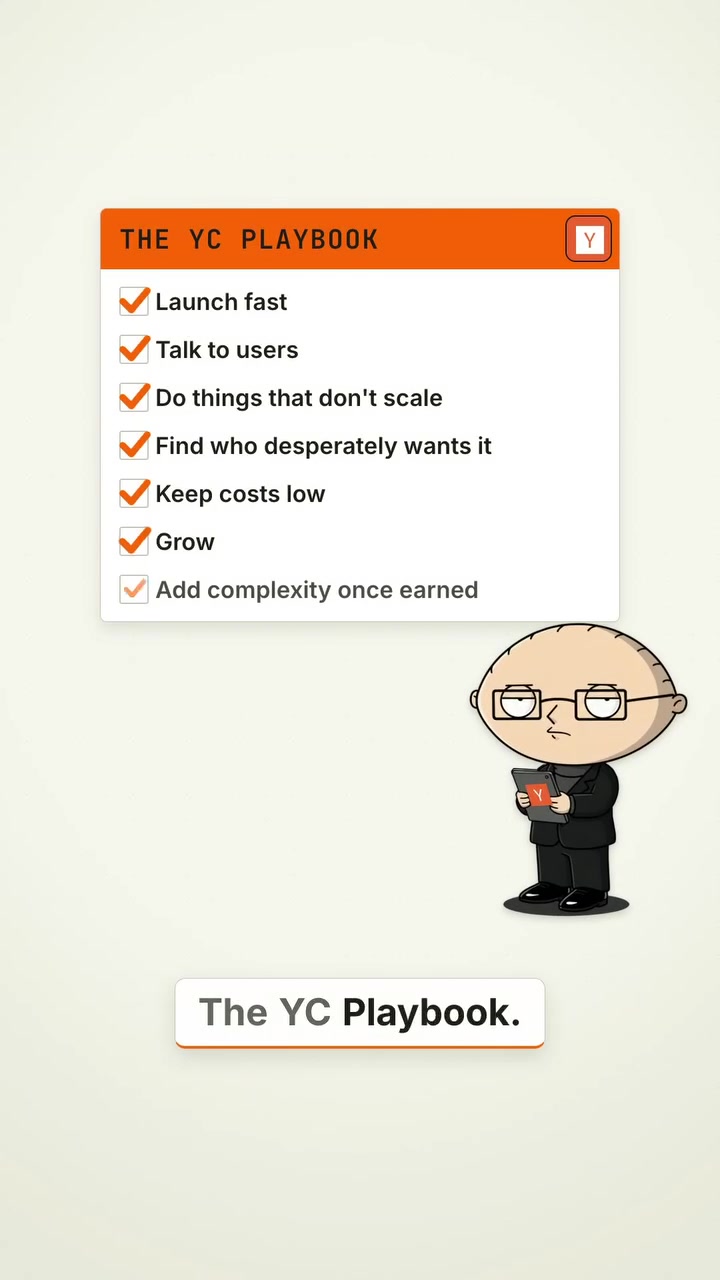
The YC Playbook: Simplicity is Key
The YC Playbook condenses the advice into seven lines. The first step is to launch fast, putting a basic version of the product in front of real users. This means no disappearing for six months to build a perfect product. Instead, founders should get feedback early, while the product is still rough. Then, founders should “Do things that don’t scale.” This means onboarding the first 10 customers by hand, making personal calls, setting up accounts manually, and responding to every support message personally. If a customer desperately needs a feature, build it for them. Don’t automate too early—right now, the focus is on learning and iteration. The next step is to find who desperately wants the product. This might sound counterintuitive, but it’s more valuable to have 100 obsessed users than 10,000 who tried it once. These early users provide invaluable feedback and help shape the product. They stay, complain when things go wrong, and tell their friends. This is the beginning of product-market fit.
Focus on Consistent, Compounding Growth
For some founders, the temptation is to chase viral spikes or product hunt spikes. But the YC Playbook advises focusing on consistent, compounding growth—10% a week, for example. This means steady, sustainable growth rather than short bursts of popularity. A year later, the company should be unrecognizable from its early days, but the focus should remain on product and users—and keeping costs low.
Onboarding Obsessed Users
Evaluate Early Adopters' Initial Experiences
The playbook emphasizes the importance of personal onboarding. Most entrepreneurs want to automate this process, but YC advises against it. The first 10 customers need help setting everything up, and personally handling this process reveals where users get confused and what they need most. Automating this early on means losing out on direct user feedback and a deeper understanding of user needs.
Lean Into the Complaints
When users complain, it may feel frustrating, but this is a good sign. It means they care about the product enough to voice their concerns. If a user says, “It’s DOWN!!” or “Where’s my order??”, it’s an opportunity to fix issues and improve the product. Personal responses to these complaints help build loyalty and trust. One user noted, “They complain when…and then they tell their friends.”
Learn From Your Small, Early Users — Until You Find Product-Market Fit
What Users Want
Most founders see growth in terms of big numbers, viral spikes, and rapid user acquisition. But the YC Playbook suggests that at the beginning, the focus should be on a small number of users who truly need and want the product. Once they’re on board, they’ll stay, they’ll complain when things go wrong, and they’ll tell their friends. This kind of early user engagement is invaluable for product development.
Steps to Find Product Market-Fit
To find product market fit, founders need to understand why users buy the product, why they say no, and what words they use to describe it. This detailed understanding comes from personal interaction and direct feedback. Initially, it’s not about scale or automation—it’s about building a product that solves a real problem for a real audience.
Other Founders Mistake #1: Scaling Before You've Earned It
Most founders fall into the same trap: they start acting like a big company before they’ve built a successful small one. They focus on scaling, on hiring more people, on renting a fancy office. But the YC Playbook advises against this. Before product market fit, everything else is secondary. Keep the burn low, keep the focus on the product and the users. Only then, when the company has earned it, can complexity be added. Staying small and focused allows for better product development and a more intimate understanding of user needs.
Don’t Automate Customer Interactions
The Value of Personal Onboarding
One of YC’s most distinctive principles is to onboarding individual customers by hand. This might sound strange, but it has a clear value. Every moment spent setting up an account or providing help is an opportunity to learn from the user. YC advises against automation at this stage. Automating too early locks you out of significant learning opportunities, rather focusing on personal interactions that give a better sense of users’ needs and habits.
Personal Interactions Should Not Scale
One of the founders noted, "I should automate onboarding. Qotus Boise says, don't." Onboarding users manually means setting up their accounts by hand, calling them, responding to any support message personally. If one important customer desperately needs a feature, build it for them, even if it doesn't scale. This goes against conventional startup wisdom, but it’s a key part of the playbook. Doing things that don’t scale is a way to ensure that the product development process is guided by real user needs.
Ready to Launch? The First 100 Users Are All That Matters
What to Expect from Your Early Users
Don’t labor under the illusion that your product can achieve scale immediately. The first 100 users are the ones that will make or break the product. Build for them, learn from them, and don’t get discouraged if the user count is low. When they complain, they do so because they care. When they stay, it’s because they need your product. Those who casually try the product and don’t stick around can be chalked up as a cost of doing business. Of course, always seek to eliminate friction and give users what they want. But stay focused on the process of learning what they truly want, and iterate based on that.
How to Talk to Users
There are steps to laying the foundations of a successful product. Don’t wait to talk to users. Don’t wait to get feedback. Talk to users every single day, rebuild the product based on what you hear. It’s an intimidating idea, to be so attuned to the needs of users that you throw out the rule book, but it’s the only way the early going. Don’t think in terms of building an MVP, think in terms of building a minimum lovable product. Iterate, make small changes, give it back to your users, and keep learning. Eventually, you’ll see a shift: what was once a small, unprofitable company turns into a thriving, money-making enterprise.
Questions readers ask
What is the YC Playbook and why is it important for startups?
The YC Playbook is a guide from the Y Combinator accelerator that outlines seven key steps for startup success. It's important because it emphasizes practical, user-centered strategies that help startups find their footing and grow sustainably. Instead of aiming for a perfect product from the start, the playbook advises launching quickly and iterating based on real user feedback.
How does the YC Playbook define a 'soft launch' and why is it recommended?
The YC Playbook defines a soft launch as releasing a rough prototype to real users, rather than a polished, final product. This approach is recommended because it allows founders to gather genuine feedback and understand what users truly need, rather than relying on assumptions. This helps in shaping the product more accurately and identifying the early adopters who will be crucial for product-market fit.
What does 'do things that don’t scale' mean in the context of the YC Playbook?
Doing things that don’t scale means handling the initial stages of the business in a very hands-on and personal way. This includes onboarding the first few customers manually, responding to every support message personally, and building features specifically for early users. The goal is to learn from these interactions and iterate on the product before focusing on scalability.
How does the YC Playbook approach customer complaints in the early stages of a startup?
The YC Playbook encourages founders to lean into customer complaints. When users complain, it shows they are invested in the product. Personal responses to these complaints help build loyalty and trust. The playbook suggests that complaints are opportunities to fix issues and improve the product, turning frustrated users into loyal advocates.
What is the significance of 'compounding, consistent growth' as per the YC Playbook?
The YC Playbook advises focusing on steady, sustainable growth rather than chasing viral spikes. Consistent, compounding growth means the company grows steadily over time, becoming unrecognizable from its early days. This approach ensures that the focus remains on the product, users, and keeping costs low, which is crucial for long-term success.
Related deep dives
Similar reads based on topic and creator.




Recent articles
Fresh deep dives from the latest Reels we unpacked.



Comments
Be the first to comment.