The Phantasmal Poison Frog: Nature's Tiny Powerhouse
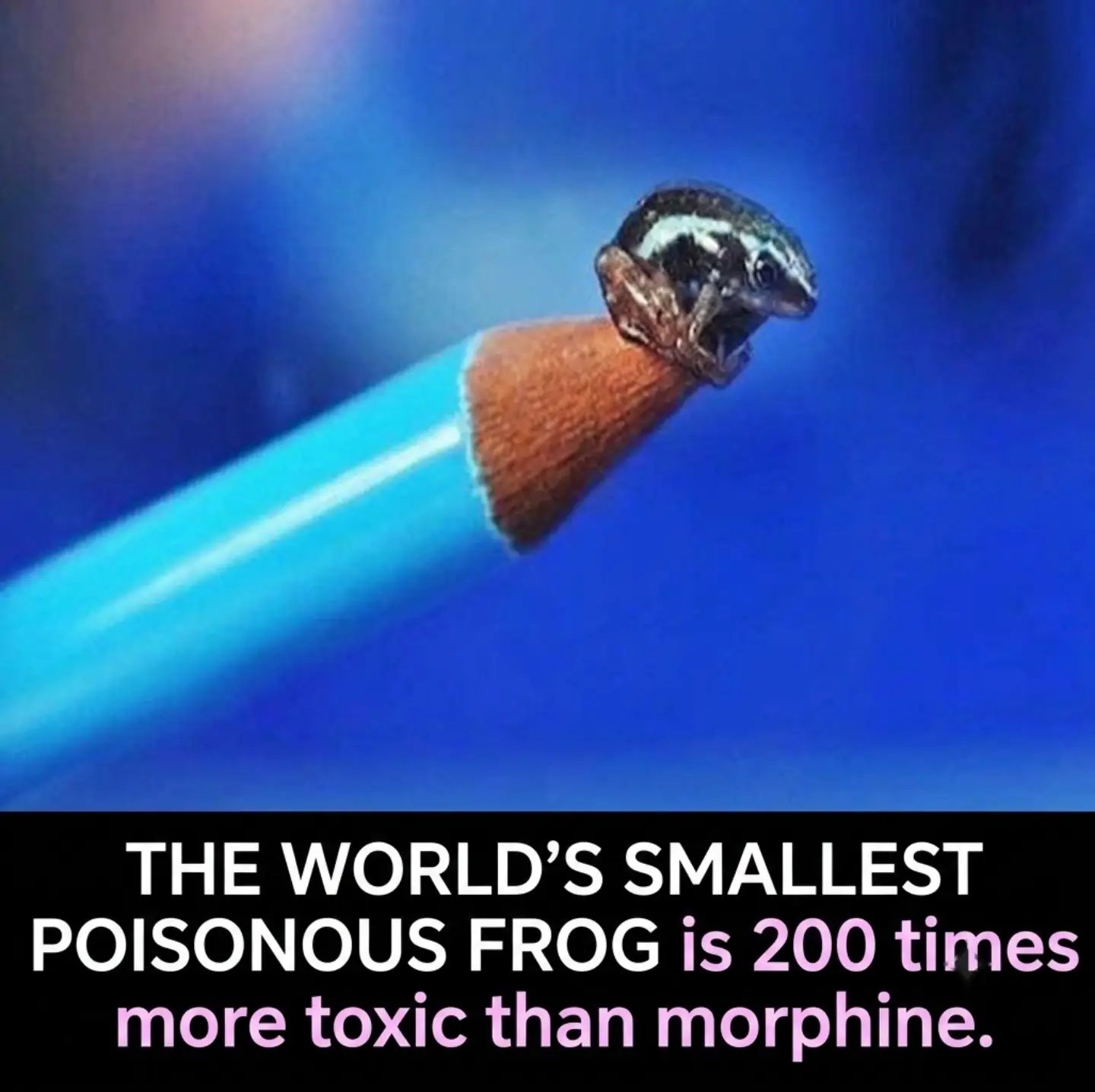
The Phantasmal Poison Frog is a remarkable example of nature's ability to pack immense power into a minuscule package. This tiny amphibian, barely measuring a single centimeter, is one of the most potent toxins in the animal kingdom. Its skin secretes epibatidine, a natural toxin that is roughly 200 times more toxic than morphine.
Why This Matters
The Phantasmal Poison Frog, or Oophaga sylvatica, is a testament to the incredible diversity and complexity of the natural world. This frog's tiny size belies its incredible potency, making it a subject of intense scientific interest. Understanding the mechanisms behind its toxicity could lead to groundbreaking developments in medicine and pharmacology.
The Power of Epibatidine
The Toxin
Epibatidine is the primary toxin secreted by the Phantasmal Poison Frog. This compound is a potent analgesic, meaning it has pain-relieving properties. Its toxicity is roughly 200 times greater than morphine, making it one of the most powerful natural painkillers known to science.
Pain Relief Revolution
Scientists have long been fascinated by epibatidine's potential, studying the compound for years to design revolutionary painkillers. The unique chemical structure of epibatidine has led to the development of synthetic analogs that may offer powerful pain relief without the addictive properties of traditional opioids. This research holds promise for creating more effective and safer pain management solutions, potentially transforming the field of medicine.
The Phantasmal Poison Frog's Unique Adaptations
Tiny Size, Big Impact
The Phantasmal Poison Frog's small size is a critical adaptation that helps it survive in its natural habitat. This tiny amphibian can hide in the smallest of crevices, avoiding predators and conserving resources. Its small size also allows it to navigate dense foliage with ease, making it an efficient hunter of small insects.
Colorful Warning
One of the most striking features of the Phantasmal Poison Frog is its vibrant coloration. The frog's bright hues serve as a warning to potential predators, signaling that it is toxic and should not be consumed. This aposematic coloration is a common defense mechanism among poisonous animals, helping them avoid predation by advertising their toxicity.
Habitat and Behavior
The Phantasmal Poison Frog is native to the rainforests of Central and South America. These frogs are typically found in humid, tropical environments where they can thrive. Their diet primarily consists of small insects and other invertebrates, which they hunt using their sticky tongues. The frogs are also known for their territorial behavior, often defending their small territories from other males.
Practical Tips for Observing the Phantasmal Poison Frog
While the Phantasmal Poison Frog is a fascinating subject of study, it is important to approach these creatures with caution. Here are some practical tips for observing them safely:
Safety First
The Phantasmal Poison Frog is highly toxic, and its venom can cause severe harm if mishandled. Always wear protective gloves and handle the frog with care. Avoid touching your face or eyes after handling the frog to prevent accidental exposure to its toxins.
Ethical Observation
When observing these frogs in the wild, it is essential to minimize disturbance to their natural habitat. Avoid capturing or handling the frogs unnecessarily, and always release them back into their environment if you must handle them.
Conservation Awareness
The Phantasmal Poison Frog, like many other amphibian species, faces threats from habitat loss and other environmental factors. Supporting conservation efforts and promoting awareness about the importance of protecting these species can help ensure their survival for future generations.
Important Takeaways
The Phantasmal Poison Frog is a remarkable example of how nature can combine extreme potency with a tiny size. Its unique adaptations, such as its vibrant coloration and potent toxin, make it a subject of intense scientific interest. The study of epibatidine holds promise for developing new pain management solutions, potentially revolutionizing the field of medicine.
Conclusion
The Phantasmal Poison Frog serves as a reminder of the incredible diversity and complexity of the natural world. Its tiny size belies its immense power and significance, making it a subject of great interest to researchers and nature enthusiasts alike. By appreciating and protecting these remarkable creatures, we can unlock the secrets of nature and pave the way for groundbreaking advancements in science and medicine.
Questions readers ask
What is the Phantasmal Poison Frog, and why is it significant?
The Phantasmal Poison Frog is the world's smallest poisonous frog, barely measuring a single centimeter. Its significance lies in the potent toxin it secretes, epibatidine, which is 200 times more toxic than morphine. This makes it a subject of intense scientific interest, particularly in medical research.
How does the Phantasmal Poison Frog's size compare to other frogs?
The Phantasmal Poison Frog is notably small, making it one of the smallest frogs in the world. Its tiny size is surprising given its immense toxic power.
What is epibatidine and why is it important?
Epibatidine is a powerful toxin secreted by the Phantasmal Poison Frog. It is approximately 200 times more toxic than morphine, making it one of the most potent toxins in the animal kingdom. Its potential use in medicine is a key area of research, as understanding its mechanisms could lead to new medical developments.
Why is the Phantasmal Poison Frog a subject of scientific interest?
The Phantasmal Poison Frog's unique adaptations and powerful toxin make it an intriguing subject for scientists. Its tiny size combined with its potent toxicity offers a fascinating study in nature's design and potential applications in medical research.
What are some unique adaptations of the Phantasmal Poison Frog?
One of the most remarkable adaptations is the production of epibatidine, its potent toxin. This toxin is not only a defense mechanism but also a subject of intense medical research. The frog's small size and high toxicity make it a unique specimen in the natural world.
How can the Phantasmal Poison Frog's toxin benefit medical research?
The toxin, epibatidine, has a high potential in medical research due to its potency. Researchers are exploring its mechanisms to develop new treatments and medications. Understanding how this toxin works could lead to innovative solutions in pain management and other medical fields.
What sets the Phantasmal Poison Frog apart from other poisonous frogs?
The Phantasmal Poison Frog is distinguished by its extremely small size and the potency of its toxin, epibatidine. While other poisonous frogs may also secrete toxins, the epibatidine's exceptional toxicity and the frog's minuscule size make it a standout species in the animal kingdom.
Related deep dives
Similar reads based on topic and creator.



Recent articles
Fresh deep dives from the latest Reels we unpacked.




Comments
Be the first to comment.