Crab Clusters
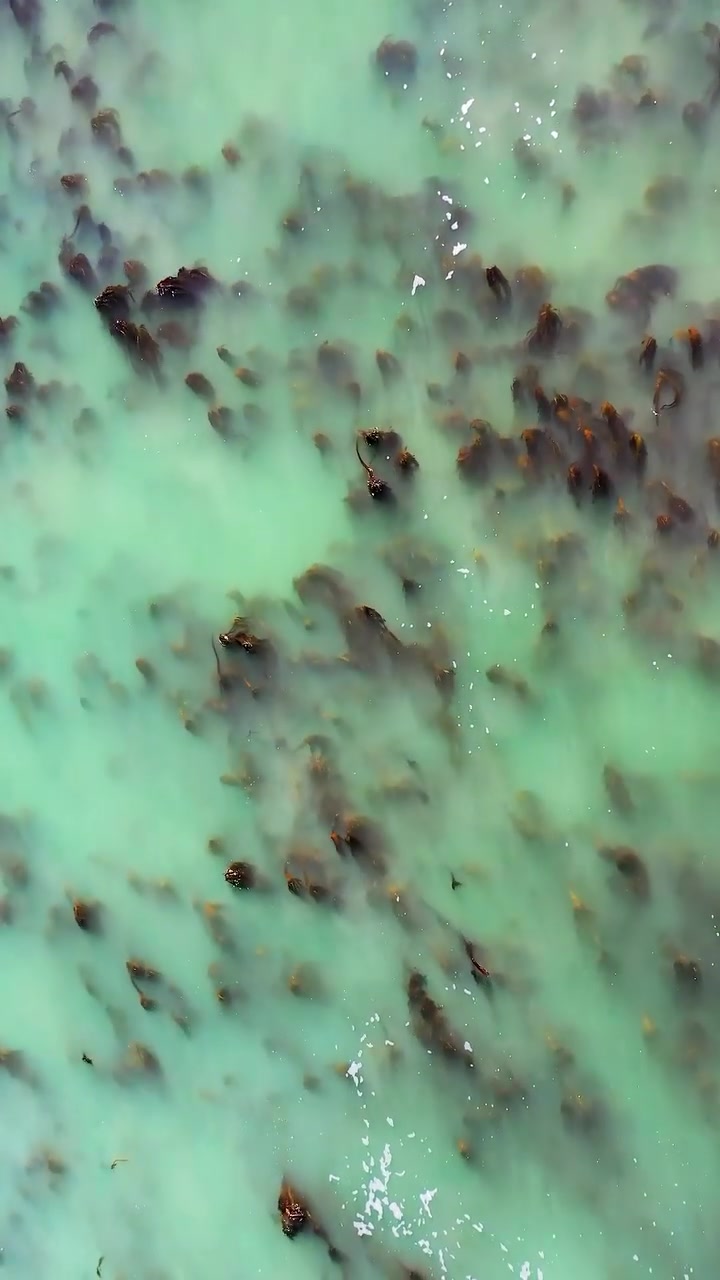
The 15-second video is a bird’s-eye glimpse of a dense, living carpet of small crabs swarming in shallow, turquoise water. The scene was filmed from above, capturing a vibrant life beneath the water’s surface. The nearly opaque mass of crabs is interrupted by scattered debris, hinting at the complex dynamics of this aquatic ecosystem. This isn’t just a nature nugget; it hints deeper into how crabs use water to survive. The visual summary notes a shallow body of water populated by a multitude of small crabs. From a top-down perspective, they form a dense mass which suggests some interaction or instinct. The crabs appear to be in shallow water, adding a distinctive feature to how they move around.
Crabs
Crabs are crustaceans, decapod animals with a short body and small eyes. They come in varied sizes, ranging from tiny species smaller than a fingernail to larger ones like the Japanese spider crab, which can have a leg span exceeding 12 feet. Crabs are known for their distinctive sideways walking, due to their body structure. They have a hard shell or exoskeleton, which provides protection and support. The exoskeleton also contains tiny appendages they use for food and sensory perception. Critically, crabs breathe through gills, which means they often stay near oxygenated water for breathing. Theirs is a world of adaptability, allowing them to survive in diverse environments including the bottom of oceans, freshwater, and even on land.
The Role of Water in a Crab's Life
Water is the essence of a crab’s life. It is important for temperature regulation and respiration. Crabs breathe through gills, and thus, they need to keep their gills moist to carry out oxygen exchange efficiently. It also helps them in movement, reproduction, and prey. For this reason, crabs are usually found near bodies of water. The shallow depth of the water where the crabs are seen in the video, allows the crabs to navigate and hunt easily.
A Densely Populated Crab Entity
The video captures a mass of these crustaceans, indicating a high population density. This means they are likely sharing a resource or space, and this indicates a certain level of social structure. There are multiple factors that drive crabs into groups, such as mating, reproduction, or simply sharing a common resource. The density of the crab cluster could be due to the plentiful food in the water or the shallow depth of the water, allowing the crabs to move easily with ease and reach food and prey.
The Turquoise Water
The turquoise color of the shallow water suggests it could be a freshwater body. This hints at the presence of a freshwater crab. Freshwater crabs are not as commonly seen as marine crabs. They require freshwater ecosystems, which include lakes, rivers and ponds. The water’s murkiness is likely due to natural sediments or perhaps the crabs’ constant motion.
Scattered Debris
In water, crabs are crucial cleaners. The debris visible in the water may include algae, detritus, and microorganisms. Crabs play a vital role in maintaining the cleanliness of freshwater ecosystems. They voraciously consume decaying plant and animal matter, helping to recycle nutrients in the water. The presence of debris in the water shows it is a natural environment chock-full of nutrients. A note on a clean ecosystem. Crabs are scavengers and predators. They keep the ecosystem clean by consuming dead and decaying matter. They feed on microorganisms, algae, and other organic matter. Freshwater crabs, in particular, will eat dead plant matter, algae, and aquatic invertebrates.
Spotting Crabs Like a Pro
Viewing crabs in their natural habitat will take care and respect. Observe them from a distance, minimizing direct interaction. Research the type of crab you would like to observe. Freshwater crabs, for example, might be easier to find in local ponds or lakes. Be prepared for solitude and quiet in order to avoid disturbing them.
Questions readers ask
What kind of crabs are typically found in freshwater environments like the one shown in the video?
The video likely features freshwater crabs, which are adapted to live in bodies of water like lakes, rivers, and ponds. These crabs are not as commonly seen as marine crabs, but they play a crucial role in maintaining the cleanliness of their ecosystems by consuming decaying plant and animal matter.
Why do crabs move sideways?
Crabs move sideways due to their unique body structure. Their legs are positioned in a way that allows them to pivot and scuttle sideways, which is an efficient way for them to navigate their environments and find food.
How do crabs breathe?
Crabs breathe through gills, which means they need to keep their gills moist to exchange oxygen efficiently. This is why they are often found near bodies of water, as the water helps them regulate temperature and respiration.
What might be the reason for the high population density of crabs in the video?
The high population density could be due to several factors, including the availability of food, the shallow depth of the water which allows for easy movement, or even social behaviors like mating or reproduction. The crabs might be congregating to share resources or engage in communal activities.
What role do crabs play in maintaining the cleanliness of freshwater ecosystems?
Crabs act as natural cleaners in freshwater ecosystems. They consume decaying plant and animal matter, helping to recycle nutrients and keep the environment clean. The debris visible in the water, such as algae and detritus, is likely being processed by the crabs.
How do crabs adapt to different environments?
Crabs are highly adaptable and can survive in a variety of environments, including the bottom of oceans, freshwater bodies, and even on land. Their hard exoskeleton provides protection, and their gills allow them to breathe efficiently in water, making them well-suited to diverse aquatic conditions.
What does the presence of debris in the water indicate about the crab population?
The presence of debris in the water suggests that the crabs are actively feeding and processing organic matter. This debris could include algae, detritus, and microorganisms, which the crabs consume to maintain the ecosystem's balance. The crabs' activity helps in recycling nutrients and keeping the water clean.
Related deep dives
Similar reads based on topic and creator.




Recent articles
Fresh deep dives from the latest Reels we unpacked.




Comments
Be the first to comment.