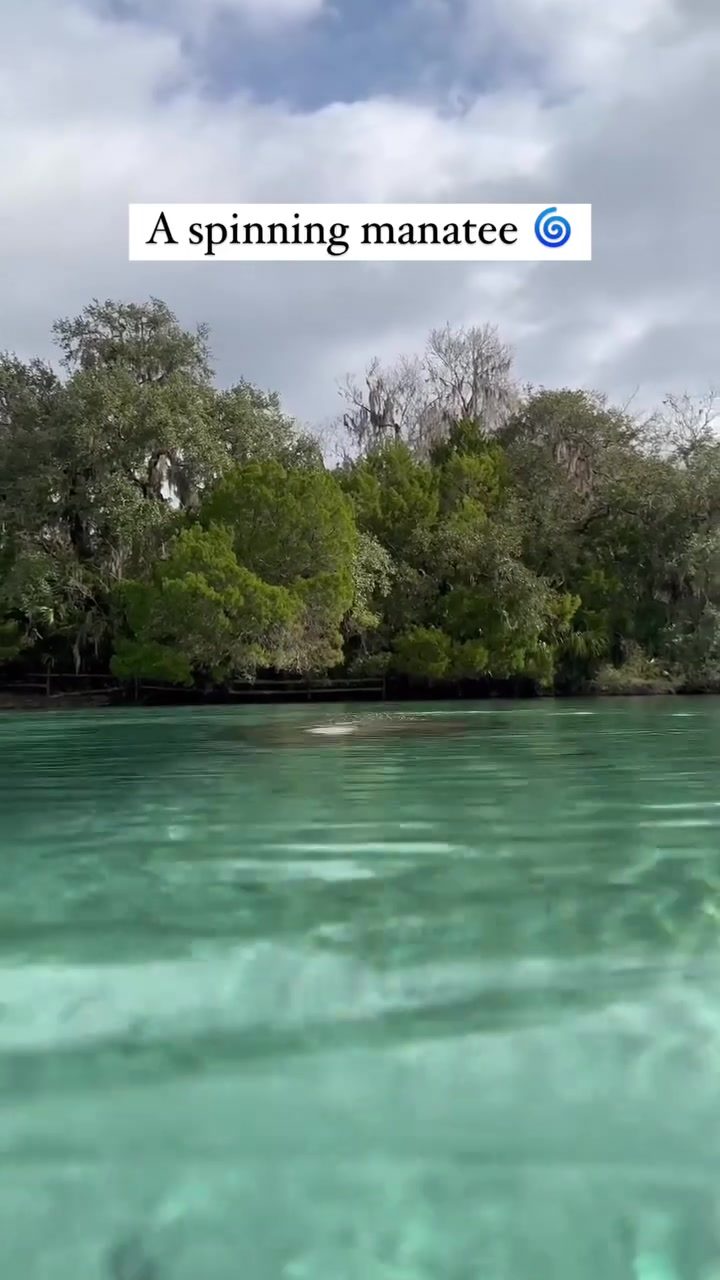
Manatees, often referred to as "sea cows," are fascinating marine mammals known for their large size, gentle demeanor, and slow, graceful movements. These unique creatures inhabit both freshwater and saltwater environments, primarily along the coasts and rivers of tropical and subtropical regions.
Why Manatees Matter
Manatees play a significant role in their ecosystems, particularly by maintaining healthy seagrass beds and other aquatic vegetation. Their grazing habits help control plant growth, which in turn supports a diverse range of marine life. Additionally, manatees hold a special place in the hearts of many who appreciate their gentle and peaceful nature. However, they face threats like habitat loss, boat collisions, and entanglement in fishing gear, making conservation efforts crucial for their survival.
Understanding Manatees
Physical Characteristics
Manatees are large, herbivorous marine mammals with a few defining physical characteristics. They have a round, streamlined body and a flat, paddle-like tail, which they use for swimming. Their forelimbs are adapted into flippers, and they have small eyes and a distinctive whiskered snout. Manatees are typically gray in color, which helps them blend into their aquatic surroundings. Their size can vary, with adults usually measuring between 8 to 13 feet (2.4 to 4 meters) in length and weighing between 400 to 1,300 pounds (180 to 590 kilograms).
Habitat and Distribution
Manatees are found in both freshwater and saltwater environments. They prefer warm, shallow waters where they can easily access seagrass and other aquatic plants, which make up the majority of their diet. In the United States, manatees are commonly found in the Gulf of Mexico and along the Atlantic coast, particularly in Florida. They are also found in the Caribbean, West Africa, and parts of South America.
Behavior and Diet
Manatees are known for their slow, gentle movements, both in and out of the water. They spend a significant portion of their day grazing on aquatic vegetation, consuming up to 10-15% of their body weight in plants daily. Their diet consists mainly of seagrass, but they also eat other aquatic plants and, occasionally, small fish or invertebrates. Manatees are social animals and are often seen in small groups, although they can also be found alone or in larger herds.
Conservation Status
The conservation status of manatees varies by region. In the United States, the West Indian manatee is listed as endangered under the Endangered Species Act, while the Florida manatee population has shown signs of recovery due to conservation efforts. However, threats such as habitat loss, boat collisions, and entanglement in fishing gear continue to pose challenges to their survival. In other parts of the world, manatees face similar threats, and conservation efforts are ongoing to protect these gentle giants.
Practical Tips for Manatee Conservation
Support Local Conservation Efforts
One of the best ways to support manatee conservation is by getting involved with local organizations that focus on marine life protection. Many nonprofits and government agencies work tirelessly to monitor manatee populations, rehabilitate injured animals, and advocate for stronger protections.
Practice Responsible Boating
Boaters can significantly reduce the risk of manatee injuries by following speed limits in designated manatee zones, avoiding shallow waters during peak manatee activity times, and being vigilant for manatees at the surface. Collisions with boats are a leading cause of manatee injuries and deaths, so responsible boating practices are crucial.
Reduce Pollution
Pollution in marine environments can harm manatees and their habitats. Reducing plastic use, properly disposing of waste, and supporting initiatives to clean up waterways can help maintain healthy ecosystems for manatees and other marine life. Additionally, using eco-friendly products and minimizing chemical runoff can contribute to cleaner waters.
Promote Awareness
Raising awareness about manatees and their conservation needs is essential. Sharing information with friends, family, and your community can help build support for these gentle marine mammals. Encouraging others to appreciate and protect manatees can lead to a more significant impact on their conservation.
Important Takeaways
Manatees are remarkable creatures that play a vital role in their ecosystems. Their gentle nature and slow movements make them a beloved symbol of marine life, but they face significant threats that require ongoing conservation efforts. By understanding their habits, supporting conservation initiatives, and practicing responsible behaviors, individuals can contribute to the protection of these magnificent animals. Promoting awareness and encouraging others to appreciate and protect manatees is key to ensuring their survival for future generations.
Conclusion
Manatees, with their large, graceful bodies and peaceful demeanor, are a crucial part of marine ecosystems. Their conservation is vital to maintaining the health of aquatic environments and protecting these gentle giants from various threats. By taking practical steps to support conservation efforts, practicing responsible behaviors, and raising awareness, we can all contribute to the preservation of manatees and their habitats.
Questions readers ask
Why do manatees spin in the water?
Manatees often spin in the water as a natural behavior to communicate, play or perhaps to dislodge parasites. It's a fascinating sight that showcases their agility despite their large size. These gentle giants also spin for the sheer joy of it; it's a delightful display of their playful nature—especially when observed in clear waters.
What role do manatees play in their ecosystems?
Manatees are crucial for maintaining healthy aquatic environments. Their grazing habits help control the growth of seagrass and other underwater plants, which in turn supports a diverse range of marine life. Their presence indicates a balanced ecosystem, making them vital for the overall health of their habitats.
Where can you find manatees in the wild?
Manatees primarily inhabit the coastal areas and rivers of tropical and subtropical regions. They are known to thrive in both freshwater and saltwater environments, making them a unique and adaptable species. Popular spots to observe manatees include the waters of Florida, the Amazon River, and the West African coast.
What are some of the main threats to manatee populations?
Manatees face several threats, including habitat loss due to human activities, boat collisions, and entanglement in fishing gear. These challenges can disrupt their natural behavior and lead to injuries or even fatalities. Ongoing conservation efforts aim to mitigate these threats and protect these gentle marine mammals.
Why are manatees often referred to as ‘sea cows’?
Manatees are called 'sea cows' because of their large size, gentle nature, and herbivorous diet, which primarily consists of underwater plants. This nickname highlights their peaceful demeanor and their important role in maintaining aquatic vegetation, much like cows graze on land.
Can manatees swim gracefully and quickly?
Manatees are often seen swimming gracefully, yet they are not particularly fast swimmers. Their slow, steady pace is more about conserving energy. However, they are quite maneuverable and can perform elegant spins and movements, especially in clear waters, showing a surprising level of agility.
How can I support manatee conservation efforts?
You can support manatee conservation by following guidelines for boating safely in manatee habitats, participating in local cleanup efforts, and supporting organizations dedicated to protecting these gentle giants. Additionally, spreading awareness about the importance of manatees and their habitats can inspire others to take action.
Related deep dives
Similar reads based on topic and creator.

Recent articles
Fresh deep dives from the latest Reels we unpacked.




Comments
Be the first to comment.