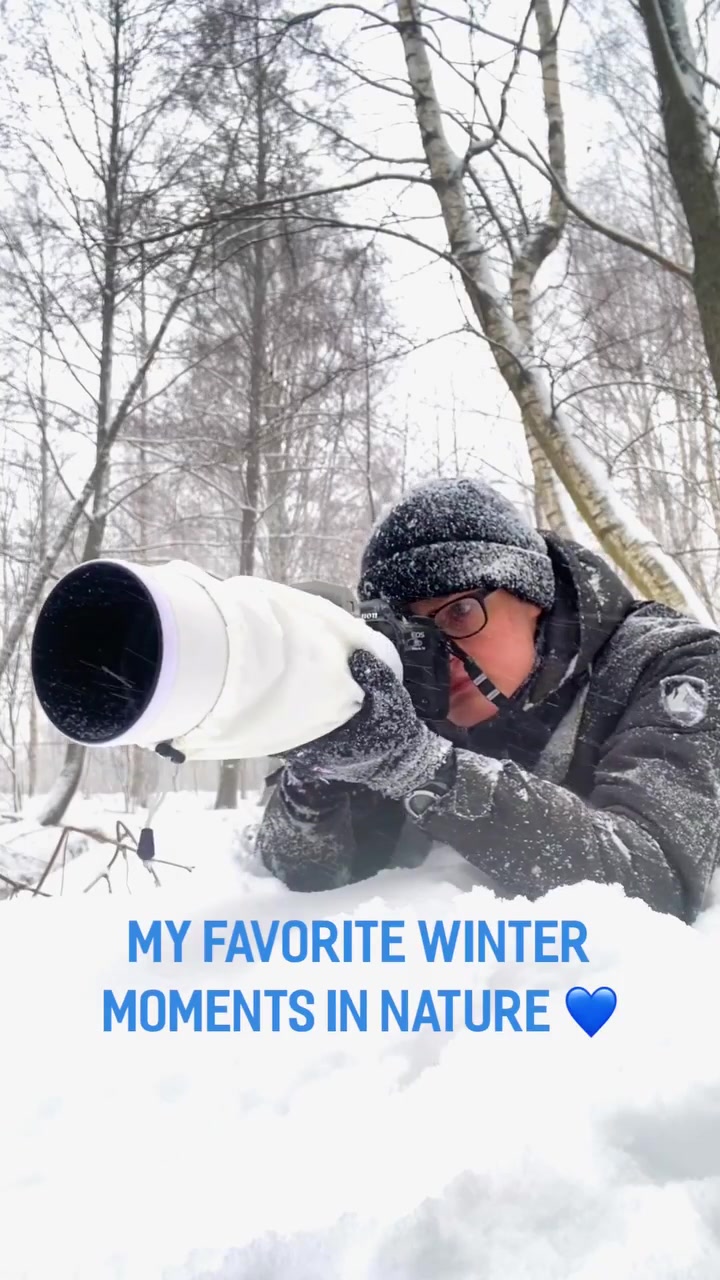
A photographer stands amidst a snow-swept forest, telephoto lens poised, capturing a white ermine scampering through the underbrush. This isn't just a winter walk. It’s a pursuit of the season's most elusive and captivating moments. These moments aren't just for the photo album — they are part of a growing trend that embraces capturing the stark beauty of winter landscapes and wildlife. Winter nature photography demands technical skill, specialized gear, and patience in the face of harsh conditions. The most challenging part is the unpredictability of wildlife in snowy landscapes. The reward is capturing moments like the ermine in the wilds of Maine’s forests.
Chasing Winter's Ephemeral Moments
Winter nature photography is what people turn to when the cold months arrive and they want to connect with the natural world without shying away from the biting winds and snow. Winter landscapes offer an array of unique opportunities. The frozen waters sparkle against the backdrop of snow-laden trees. The equipment can be bulky, but that telephoto lens is the most important investment for someone looking to tackle this genre. This type of lens can isolate subjects in an unpredictable environment where light is every bit as unforgiving as the temperatures. The season brings unique challenges. It’s the season where light is low and soft, presenting challenges in exposure balancing.
The Art of Winter Wildlife
A white ermine in the wild is what every winter photographer hopes to capture. The furtive animal moves swiftly and is prone to disappear into the snow. This is where the telephoto lens becomes invaluable. This lens allows the photographer to capture the creature at a distance without disturbing its natural behavior. The ermine is elusive. The ergonomic, weather-resistant cameras and lenses are indispensable in the field. Meticulous layering of clothing, snowshoes, and thermal equipment all factor in the equation to capture an unmuted but delicate moment in the wild.
Capturing the Subtleties
The robin perched on a frozen branch several feet away showcases the photographer’s dedication to capturing the subtle beauty of winter nature. Robins are often seen in warmer months, so seeing one in winter means the chance to capture something unexpected. Patience and precision are key. The camera must be still, and the shutter speeds must be adjusted meticulously to capture every darting movement and contrast of light and shadow. The duck swimming alone is a rare sight. Once the shutter clicks and the image is captured, the photographer must then transform raw data into an image. This involves much more than just tweaking brightness and contrast. The process of post-processing can be extensive, as photographers seek to retain the true essence of the scene while enhancing its visual appeal.
Frames vs. Moments
The choice of gear, like the telephoto lens, is a critical concern. It not only provides the zooming capability needed for close-ups of wildlife but also facilitates high-quality images under harsh winter conditions, where the lens and the photographer are tested to their limits. The experience involves much more than just the gear. It's about knowing where to go. Catching a glimpse of the white ermine in a frozen lake, the eyes of a robin as it daydreams across the snowy expanse, and the details on the wings of a duck are the products of laborious effort.
The Future of Winter Nature Photos
In recent years, winter nature photography has become a highly sought-after genre. Behind the rise in popularity is the growing interest in environmental conservation and a year-round curiosity about the natural world. Platforms like Instagram have democratized the medium and made it accessible to a wider audience. The genre’s visual appeal is unmatched. The challenge is balancing sentimentality and reality for those who see these images. A deeper dive into this trend reveals that it’s not just about the equipment. It’s about respecting the environment. Environmental photos have a deeper meaning. People are becoming more aware of the need to protect natural habitats. The coldest season, where survival is a constant struggle and the landscape is a frozen masterpiece, holds a unique call for images to be shared with a wider audience. The photographs inspire appreciation for the world around us.
The Right Tools for a Winter Chase
To take the next step, it makes sense to invest in the right equipment. Here are some recommendations:
- Camera: Rugged, weather-sealed cameras are essential. Examples might include the Canon EOS 5D Mark IV or Nikon D850. Waterproof, it must be able to operate in extremely low temperatures.
- Lens: A telephoto lens with at least 200mm focal length is critical. The 70-200mm f/2.8 zoom lens is a reliable choice.
- Accessories: Tripods, thermal clothing, and protective cases are indispensable.
- Skills: Planning, research, and a deep understanding of the animal’s behavior are essential. If the landscape and animal interest, start by getting in touch with local wildlife photographers. Do not shy away from online courses or local workshops. The journey into winter nature photography is a symphony of patience, precision, and passion. If the silence of winter draws you in, embrace it.
A Secluded Sanctuary in Every Shot
Every frame is a test of patience and resilience. It’s about the heart that beats in the photographer, against the starkness of the winter landscape and wildlife. It’s extraordinary because of its fleeting nature — like the briefest glimpse of an ermine, the serene presence of a robin’s song, or the calm of a duck as it glides through icy waters. It is a pursuit born out of reverence, a constant reminder of the beauty that unfolds in the silent beauty of an unforgiving world. These images might remain unseen by the world, but they are treasured.
Questions readers ask
What makes a telephoto lens so important for winter nature photography?
A telephoto lens is crucial for winter nature photography because it allows you to capture subjects from a distance without disturbing them. This is especially important in winter when wildlife is more elusive and the environment is harsh. The lens helps isolate subjects in an unpredictable environment where light can be challenging.
How do you balance exposure in low winter light?
Balancing exposure in low winter light can be tricky. You need to adjust your camera settings to compensate for the lack of light. This often involves using a higher ISO, slower shutter speeds, and sometimes even additional lighting techniques to ensure your subjects are well-lit and the details are captured clearly.
Can you use a telephoto lens for capturing winter landscapes as well as wildlife?
While a telephoto lens is primarily used for capturing wildlife, it can also be used for landscapes, especially if you want to isolate specific elements or compress the perspective to create a unique effect. However, for wide, sweeping landscapes, a wide-angle lens might be more suitable.
What kind of clothing and gear do you need for winter nature photography?
For winter nature photography, you need to be well-prepared with the right clothing and gear. This includes layering your clothing for warmth, wearing snowshoes for better mobility, and using thermal equipment to keep your camera and hands warm. A weather-resistant camera and lens are also essential to protect your gear from the elements.
What are some post-processing techniques specific to winter nature photography?
Post-processing for winter nature photography involves more than just tweaking brightness and contrast. You might need to enhance the colors to bring out the blues and whites of the snow, adjust shadows to retain detail in darker areas, and sharpen images to highlight the crispness of the winter landscape. The goal is to retain the true essence of the scene while enhancing its visual appeal.
What are some unique winter wildlife photography opportunities?
Winter offers unique opportunities to capture elusive wildlife like the ermine or unexpected sights like a robin in the snow. These moments require patience, precision, and the right equipment to capture without disturbing the animals. The stark beauty of winter landscapes, with frozen waters and snow-laden trees, also provides a unique backdrop for wildlife photography.
Related deep dives
Similar reads based on topic and creator.
Recent articles
Fresh deep dives from the latest Reels we unpacked.
Comments
Be the first to comment.