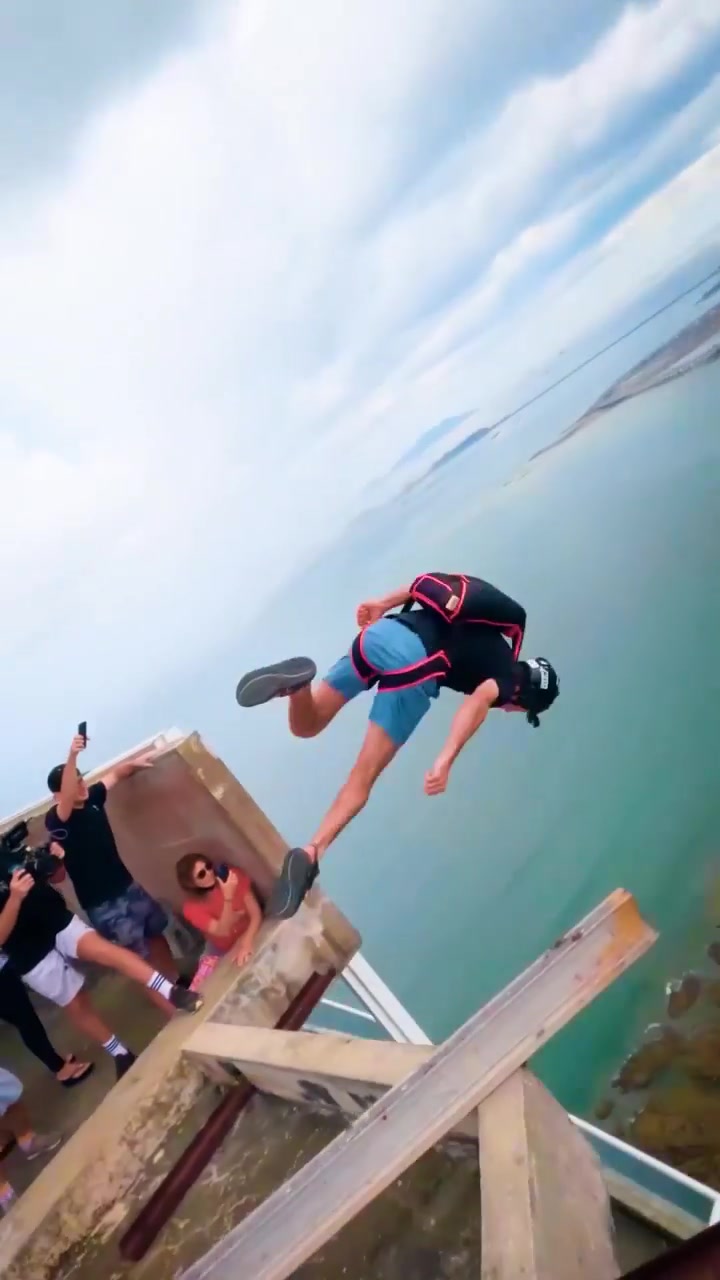
In a coastal metropolis, where skyscrapers pierce the sky, a wingsuit pilot weaves through urban canyons. He whips across narrow gaps between buildings, gliding mere meters from their surfaces. The cityscape serves as an extreme challenge where millimetres matter and every second counts. Imagine the scene: you're the pilot, navigating this dynamic, close-quartered arena of modern glass and steel.
Navigating the Concrete Jungle
Wingsuit flying is an elite form of skydiving performed in a specialized suit equipped with fabric panels. These panels increase lift, enabling horizontal glides and dramatic aerial maneuvering. The thrill of urban wingsuiting exploits this lift to skim through gaps between buildings, often at breathtaking speeds and altitudes. Urban wingsuiting stands apart from traditional skydiving and wingsuiting in open, unimpeded air. The built environment transforms into a high-stakes obstacle course. Navigating through narrow apertures and tight turns demands swift decision-making and precise control. The pilot must keep the city from getting too close, maintain speed, and plot a safe landing. This discipline harnesses physics, engineering, and athletic prowess. Crafting the suit design to maximize lift while minimizing drag involves aeronautical engineering. Soaring through city gaps tests the extremes of human reflexes and endurance, the skyscraper dna of a city becomes his playground.
Urban Flying in an Age of Vertical Living
Wingsuit’s growth is tied to the evolution of urban spaces. Vertical living and urbanisation have worldwide reach. Vertical density is the central urban challenge of the 21st century. Reach for the sky is also the motto of wingsuiters who actually fly between these vertical points. Cityscape allows the wingsuit to intersect with society, and it serves as a reminder of our technological power. The wingsuit defies the force of gravity. People fly through cities because doing so embodies exactly the freedom that cities were designed to quash. Sociologists now widely agree that an almost endless supply of rapid transit and high density can’t deliver the utopia modern cities used to promise. Instead, urban living promotes fear, and wingsuiting combats fear. But urban wingsuiting risks more than open-air wingsuiting.
The Key Ingredients for Gliding Through Concrete
The Wingsuit’s Engineering
The wingsuit is a complex piece of engineering. The suit's construction includes fabric panels, which capture air and generate lift. This lift must remain stable under the duress of high speeds and tight turns. Material technology is paramount to ensure durability and performance. Every suit is custom-tailored to an individual pilot's body, ensuring optimal control and comfort. Topographical maps and air currents factor into flight planning. These aids provide the raw data to execute a gliding flight. Yet, navigating through urban areas also demands split-second decisions, relying on muscle memory to handle high-risk maneuvers.
Safety First
Execution requires flying at exacting heights—too high risks hitting a building top. Too low risks the wingsuiter not clearing the gap. Any miscalculation could result in a lurching motion inside the suit. Safety measures are paramount. During a flight, the pilot wears protective gear, including a helmet and high-impact gloves and boots. Sparring on building height and analysing the best point to jump from is crucial. A proper wingsuiting team include base jumpers, ground crew, and a manual operation to watch for collapse points.
The Landing
After an adrenaline-charged flight, landing safely signals success. The pilot must quickly raise the arms and ease speed. Pulling up the body to land is a crucial skill to mitigate the impact from a high altitude. A controlled descent ensures the pilot lands safely on the designated spot and living to fly another day.
Facing Off Against the Cityscape
Urban Obstacles
Urban areas are notoriously treacherous for wingsuit flying. Buildings obscure the pilot's view, forcing split-second adjustments. Crosswinds add a layer of unpredictability, increasing the risk of colliding with structures. Temperature changes and humidity also affect atmospheric density, altering glide performance.
The Right Timing, The Right Training
Mastering urban wingsuit flying requires specific training and essential skills. The pilot must be highly proficient in traditional skydiving and wingsuiting to handle the complexities of urban flying. The pilot should have robust training in free-fall jumps, with fingers knowing how to operate the suit. The right body position not only allows the wingsuit to serve its purpose, but also reduces the risk of injury. The right timing entails navigating to the intended location, waiting until an opportune moment, and coordinating with navigational systems, weather conditions, and building placement. This makes an urban wingsuit flight more than a thrilling leap of faith.
Urban Wingsuiting: Soar Safely and Stupendously
For those ready to tackle this thrilling discipline, urban wingsuiting is one of the most challenging and rewarding endeavors. It is a high intensity, high risk, and high reward sport. In order to maximise your chances of success, you need to be properly equipped with the right gear and safety accessories. The pilot should regularly conduct flights with a low risk associated with them.
- Get Proper Equipment. Invest in a high-quality, properly fitted wingsuit, a reliable parachute, and protective gear.
- Gain Sufficient Training. Master basic skydiving and wingsuiting before progressing to urban flying. Urban wingsuiting requires more advanced skills, since the cityscape completely changes the dynamics of the flight.
- Choose Your Location Wisely. Ensure you have proper landing gear available. Never attempt an urban flight in unfamiliar cities, as every city's infrastructure differs from the other. If the urban flight isn't successful, the easiest thing to do is to find the next available urban center and try again. This technique of repeated attempts, especially in the urban environment is what makes wingsuiting a sport to die trying. With the right steps, urban wingsuiting conquers your fears, and the city becomes your ally.
Questions readers ask
What exactly is a wingsuit and how does it enable flying between skyscrapers?
A wingsuit is a specialized jumpsuit with fabric panels that create lift, allowing the wearer to glide horizontally. It's an advanced form of skydiving gear that lets pilots navigate through narrow gaps between buildings in urban environments. The suit's design maximizes lift and minimizes drag, enabling precise control and high-speed maneuvers.
How does urban wingsuit flying differ from traditional skydiving or wingsuit flying in open areas?
Urban wingsuit flying is more challenging than traditional skydiving because of the close proximity of buildings. The built environment creates a high-stakes obstacle course, requiring swift decision-making and precise control to navigate through narrow gaps and tight turns. The risk of collision is much higher in urban settings, making it a more dangerous and thrilling experience.
What role does engineering play in the design and functionality of a wingsuit?
A wingsuit is a complex piece of engineering that involves fabric panels to create lift and aerodynamic shapes to minimize drag. The suit must be durable and stable under high speeds and tight turns. Material technology and custom tailoring to the pilot's body are crucial for optimal performance and safety. Aeronautical engineering principles are applied to ensure the suit can withstand the extreme conditions of urban wingsuiting.
What are the key factors that determine a successful wingsuit flight through a cityscape?
The key factors include precise flight planning using topographical maps and air currents, maintaining exact heights to avoid collisions, and relying on muscle memory for split-second decisions. The pilot must also consider the city's layout and the specific challenges of navigating through urban canyons. The wingsuit's design and the pilot's skill and reflexes are also crucial for a successful flight.
How does urban wingsuit flying reflect societal and technological advancements?
Urban wingsuit flying reflects the growth of vertical living and urbanization, showcasing the technological power and human capability to navigate and conquer these environments. It embodies the freedom and defiance against the constraints of urban living, serving as a reminder of our technological prowess and the thrill of pushing human limits in an urban setting.
Related deep dives
Similar reads based on topic and creator.


Recent articles
Fresh deep dives from the latest Reels we unpacked.


Comments
Be the first to comment.