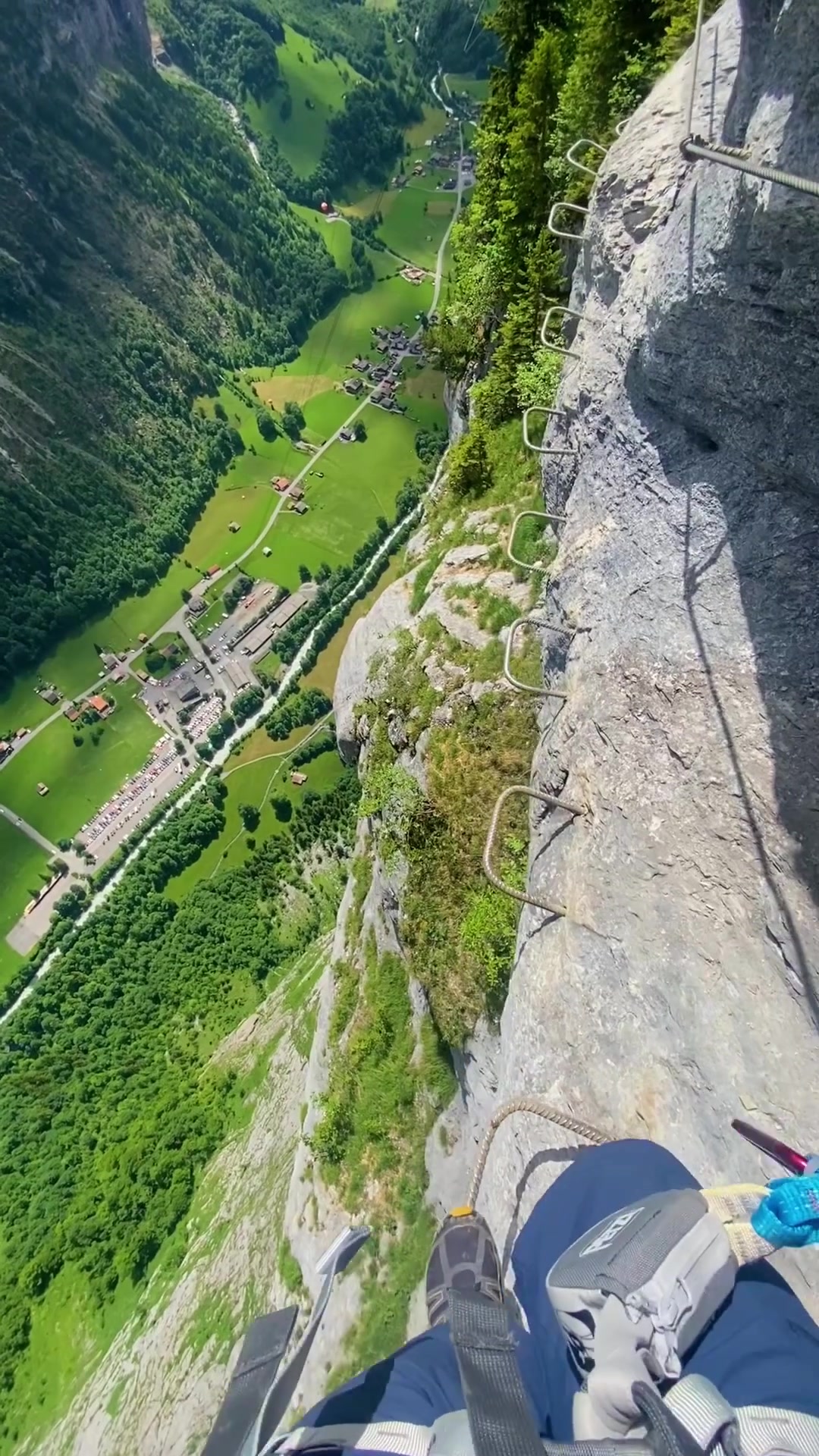
Scaling Heights on Steel
Via Ferrata climbing is a thrilling hybrid of hiking and mountaineering. Climbers ascend steep rocky faces using permanent steel cables, ladders, and bridges. Unlike free rock climbing, Via Ferrata routes are equipped with these features for a safer ascent. However, it’s no walk in the park. You’ll need a harness, lanyards, and a helmet. It’s unique in combining the elements of mountaineering and hiking, allowing you to experience the grandeur of steep, dramatic landscapes. Via Ferrata ("Iron Way") is the romantic language — you climb through stunning mountain scenery.
A Bridge to Alpine Adventure
The appeal of Via Ferrata lies in its accessibility, offering mountaineering adventures to those with moderate fitness and climbing experience. This form of climbing has gained popularity in recent years, offering a middle ground between hiking and traditional mountaineering. It provides an exciting, adrenaline-pumping experience for both casual hikers and seasoned climbers. Along with the rise of wellness and nature retreats, Via Ferrata taps into the broader trend of outdoor recreation.
Via Ferrata Essentials
The Concrete Steps
When you embark on a Via Ferrata adventure, you'll begin with the steel cable as your primary anchor point. As you ascend, the steel cables are always in reach for added safety. "Post on-mounted clips offer additional security." In addition to steel cables, Via Ferrata routes often incorporate suspended ladders and bridges. These elements help climbers navigate challenging sections and traverse gaps in the rock.
Gear Checklist
The two essential pieces of Via Ferrata equipment are a harness and a lanyard. The harness secures you to the cable, while the lanyard connects to the steel cable and allows for some movement. This system ensures that if you slip, you won’t fall far. A helmet is also crucial for protecting your head from falling debris. A helmet might cost 50% of the entry-level harness/gear kit. Climbing boots with good grip and ankle support are also essential, as are sturdy gloves to protect your hands from the rough cables and rope.
The Dos, Don'ts, and the Physics
Your chest harness should be secure and snug, allowing for full range of motion. You should also test the lanyards on the cable to ensure a smooth connection. The climbing technique involves using the legs as much as possible; climb in such a way that your hands are not the primary support. Engage your core muscles and keep your body close to the rock face. You should also be aware of the weight of your gear and pack light.
Conquering the Heights
Experiencing the Iron Way
Via Ferrata routes are rated similarly to ski runs, with difficulty levels ranging from easy to extremely challenging. They offer diverse experiences: some routes traverse suspension bridges and pass through caves. With careful planning, climbers of all skill levels can enjoy the thrill of Via Ferrata. Always double-check the weather forecast, as conditions can change rapidly in the mountains. Plan your route and know your limits.
Get Lost in the Scenery
One of the most striking aspects of Via Ferrata climbing is the breathtaking scenery. As you ascend, you'll often come across sweeping vistas of valleys, villages, and cable car stations. In addition, the routes often pass through lush greenery, making the journey as scenic as the destination. Envision a cable car station in the distance.
Practical Advice Before Ascending
- Pick the Right Route: Choose a route that matches your experience level. There are routes suitable for beginners, intermediates, and experts. The difficulty of climbing can be gauged from the number of riser steps, cable cars needed and the gradient.
- Be Prepared: Make sure you have the appropriate gear, including a helmet, harness, lanyards, and gloves. Bring food, water, and a first-aid kit in case of emergencies.
- Check the Weather: Mountain weather can be unpredictable. Dress in layers and bring rain gear.
- Know Your Limits: Don’t push yourself too hard. Knowing when to turn back is as important as pushing forward. It's important to keep your head up and stay calm.
Questions readers ask
What does the name Via Ferrata translate to in English?
Via Ferrata translates to "Iron Way" in English. This name reflects the use of steel cables, ladders, and bridges that are integral to the climbing experience, providing a sense of adventure and security as you traverse dramatic mountain landscapes.
Can beginners try Via Ferrata climbing?
Yes, beginners can try Via Ferrata climbing. The routes are rated by difficulty, similar to ski runs, so there are options for those with moderate fitness and climbing experience. It’s a great way to get a taste of mountaineering without needing advanced skills.
What kind of gear do I need for Via Ferrata?
For Via Ferrata, you'll need a harness, lanyards, and a helmet. Climbing boots with good grip and ankle support, as well as sturdy gloves, are also essential. These items ensure your safety and comfort during the climb.
How does Via Ferrata differ from traditional rock climbing?
Via Ferrata differs from traditional rock climbing in that it uses permanent steel cables, ladders, and bridges for ascent, making it safer and more accessible. It combines elements of hiking and mountaineering, allowing climbers to experience dramatic landscapes with added security.
What should I do if I encounter bad weather during a Via Ferrata climb?
If you encounter bad weather during a Via Ferrata climb, it’s crucial to prioritize safety. Always check the weather forecast before starting your climb and be prepared to turn back if conditions worsen. Rapidly changing mountain weather can pose significant risks, so planning your route and knowing your limits is essential.
Are there any specific techniques for climbing Via Ferrata?
Yes, there are specific techniques for climbing Via Ferrata. It’s important to use your legs as much as possible and keep your body close to the rock face. Engage your core muscles and ensure your chest harness is secure and snug, allowing for a full range of motion.
Related deep dives
Similar reads based on topic and creator.


Recent articles
Fresh deep dives from the latest Reels we unpacked.


Comments
Be the first to comment.