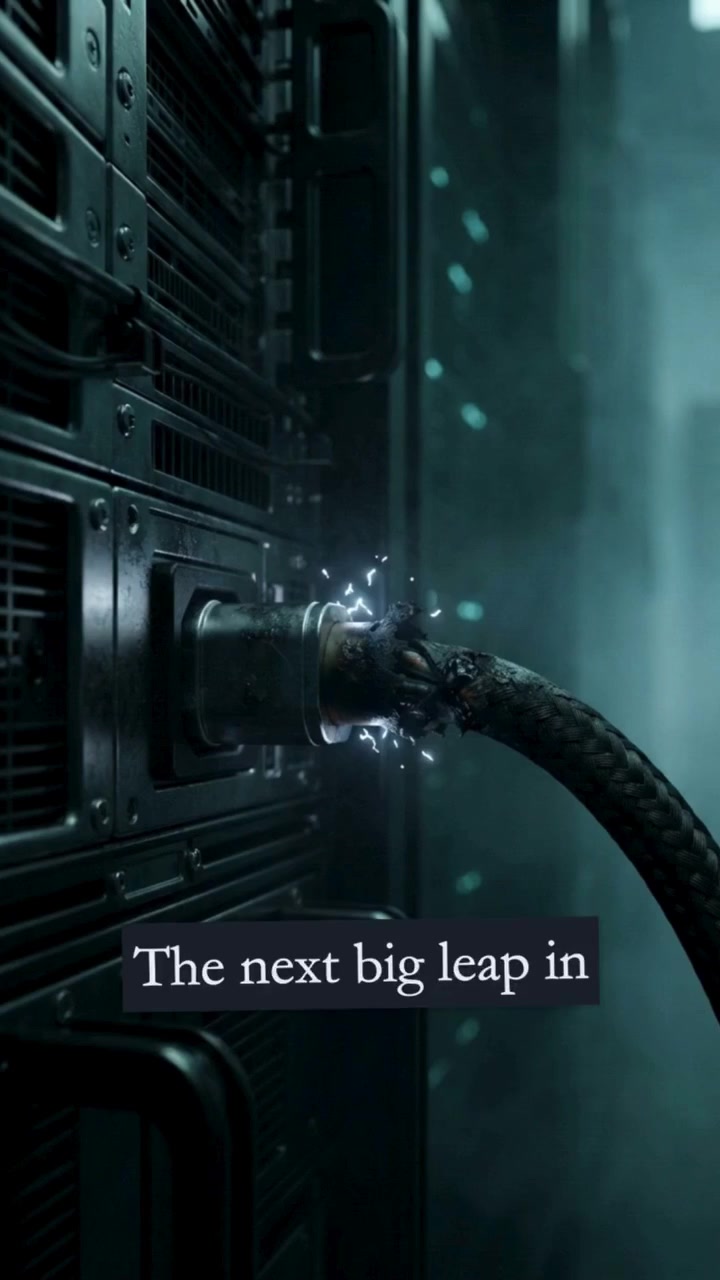
El Segundo-based startup Velar Atomics has spent the last several years operating deep in the shadows of the AI boom, innovating in nuclear energy to eliminate AI's hidden bottleneck: electricity. In a single sentence, the problem Velar tackles is thorny. Hyperscale data centers — those server farms running AI algorithms — consume enormous amounts of electricity. And renewable energy sources like wind and solar can't keep the power flowing continuously. AI's next leap will depend on a steady supply of energy. That's where Velar's nuclear reactors come in.
The nuclear bet on AI's future
Small modular reactors (SMRs) are the next generation of nuclear power. Unlike traditional nuclear plants, which are custom-built on-site over a decade at a cost of tens of billions of dollars, SMRs are designed for mass production. They're compact, can be prefabricated in factories, and swap out the massive burden of on-site construction with the nimble logistics of commercial airplanes. That's where the true innovation lies: SMRs cost less and can be built much faster than traditional nuclear reactors. Velar Atomics is leading the charge with SMRs. The startup is already building zero-emission nuclear engines designed to plug directly into hyperscale data centers and keep them powered 24 hours a day. Further, the SMRs bypass the construction bottlenecks of traditional nuclear plants, making their nuclear reactors viable for widespread deployment.
Small is the new big
The fleets of tomorrow
The nuclear reactors Velar Atomics is building are a break from tradition. They're small, and many will work together in fleets — those small modular reactors (SMRs) that can power a data center for 24 hours. Velar's strategy for mass production involves building their reactors in factories, moving beyond the site-specific construction that makes traditional nuclear plants so expensive and time-consuming.
The nuclear crossroads
Yet narrowing down to SMRs from traditional nuclear energy isn't without risks. To make the transition to SMRs for AI's data centers, Velar must meet regulatory standards and public acceptance. This is because nuclear energy has been deemed risky, and public debates on nuclear effluents’ safety plague the industry.
The future of AI's energy grid
The power of controlled chains
They are closer to the goal of mass-producing a sustained, controlled nuclear chain reaction. Though challenging, the goal is feasible. Velar has successfully proven a sustained controlled nuclear chain reaction in their test systems through a Department of Energy program. This is a milestone, negating the historical difficulty of transferring nuclear energy inside the power grid.
The role of nuclear reactors in AI's future
AI's future is electric, but the next leap in AI will more likely depend on controlled nuclear fission and mass production of SMRs than renewable energy sources.
How to invest in the next energy frontier
- AI technology investments are still exciting, but focusing on infrastructure, particularly zero-emission nuclear engines, promises a more secure supply of energy for AI.
- The investment in AI infrastructure:
- AI's future might not depend on better algorithms — it may depend on who generates enough electricity for AI to run 24 hours.
- AI's power requirements need an immediate solution. Velar Atomics' success in this area implies an investment in nuclear energy rather than AI technology itself.
- Evaluate nuclear reactor technology: Investors should look out for the safety, efficiency, and cost-effectiveness of Velar's SMRs. Evaluate the startup's strategy and commitment to mass-producing zero-emission nuclear engines.
- Ask the right questions: "Who will build the future?" Velar Atomics dare to change the future of nuclear energy, potentially powering AI's future with controlled nuclear reactions and factory-built nuclear reactors.
Powering the AI boom
Valar Atomics is basing its core goal on mass-producing zero-emission nuclear reactors, thereby, solving the energy issues of AI's future, but also challenges traditional renewable energy sources. AI's success and efficiency depend on efficient energy supply, but how long the benefits of clean power will last is tricky. At this point, the only way forward is to turn towards nuclear energy.
Questions readers ask
What are small modular reactors (SMRs) and how do they differ from traditional nuclear plants?
Small modular reactors (SMRs) are a new generation of nuclear power plants that are smaller, more compact, and designed for mass production in factories. Unlike traditional nuclear plants, which are custom-built on-site and take years to construct, SMRs can be prefabricated and deployed quickly, reducing costs and construction time. They are also designed to be more flexible and can be used in various settings, including powering hyperscale data centers.
How does Velar Atomics plan to use SMRs to power AI data centers?
Velar Atomics is developing SMRs that can be directly connected to hyperscale data centers to provide a continuous supply of electricity. These reactors are designed to be zero-emission and can operate 24 hours a day, ensuring that AI algorithms have the steady power supply they need to function effectively. By using SMRs, Velar aims to eliminate the reliance on intermittent renewable energy sources like wind and solar.
What are the main challenges Velar Atomics faces in deploying SMRs for AI data centers?
One of the main challenges is meeting regulatory standards and gaining public acceptance. Nuclear energy has historically been viewed as risky, and there are ongoing debates about the safety of nuclear effluents. Additionally, Velar must ensure that their SMRs can operate safely and efficiently within the existing power grid infrastructure.
How does Velar Atomics' approach to nuclear energy differ from traditional nuclear power plants?
Velar Atomics is focusing on small modular reactors (SMRs) rather than traditional nuclear plants. SMRs are designed to be smaller, more efficient, and easier to deploy. They can be prefabricated in factories and transported to their destination, which reduces construction costs and time. Traditional nuclear plants, on the other hand, are custom-built on-site and require extensive construction and regulatory processes, making them more expensive and time-consuming.
How does Velar Atomics' work in nuclear energy tie in with the future of AI?
AI's future is heavily dependent on a steady and reliable supply of electricity. Traditional renewable energy sources like wind and solar are intermittent, which can disrupt the continuous operation of hyperscale data centers. Velar Atomics' SMRs provide a steady, zero-emission power source that can keep data centers running 24/7, ensuring that AI algorithms have the energy they need to function without interruption.
What milestones has Velar Atomics achieved in developing SMRs for AI data centers?
Velar Atomics has successfully demonstrated a sustained controlled nuclear chain reaction in their test systems through a Department of Energy program. This is a significant milestone as it shows that their SMRs can achieve the necessary nuclear reaction to generate power. This achievement brings them closer to the goal of mass-producing SMRs for widespread deployment in AI data centers.
How does Velar Atomics' plan for mass production of SMRs impact the energy grid for AI data centers?
By mass-producing SMRs, Velar Atomics aims to provide a consistent and reliable energy source for AI data centers. This approach bypasses the construction bottlenecks of traditional nuclear plants, making it more viable for widespread deployment. The mass production of SMRs ensures that AI data centers have a steady supply of electricity, which is crucial for the continuous operation of AI algorithms.
Related deep dives
Similar reads based on topic and creator.



Recent articles
Fresh deep dives from the latest Reels we unpacked.



Comments
Be the first to comment.