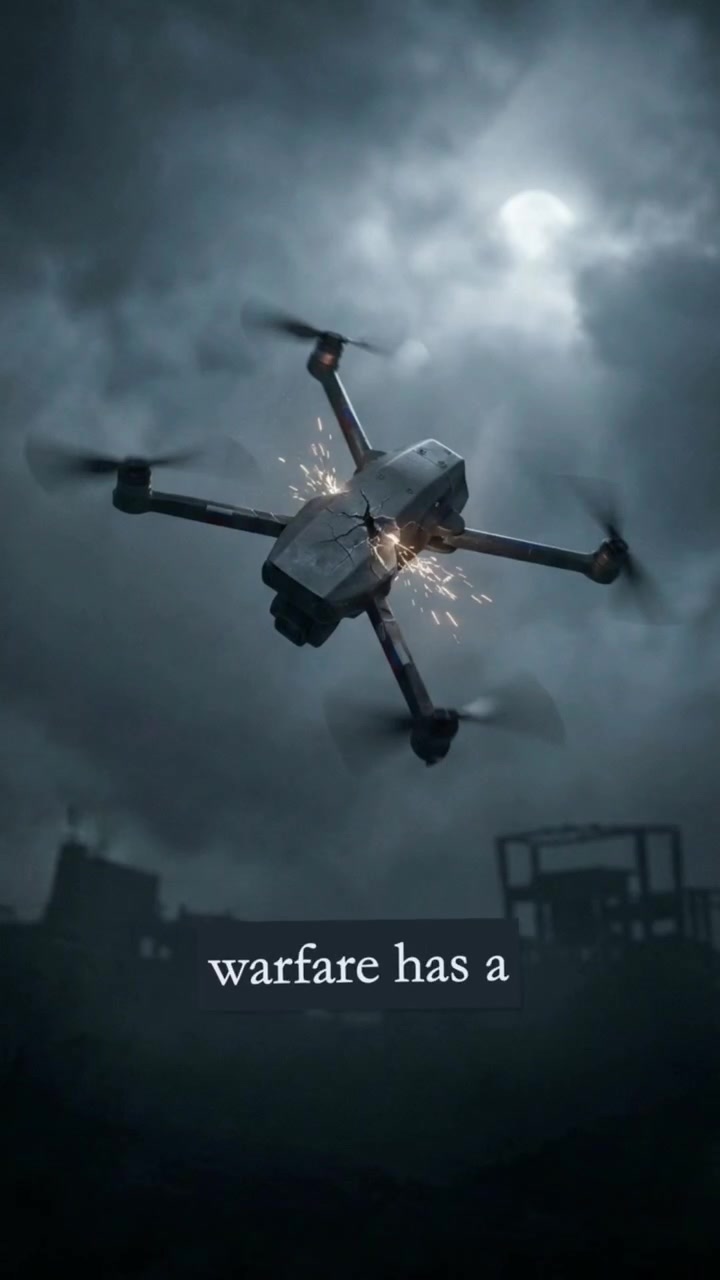
Ushkunik's Unjammable Drone — The Fiber-Optic Solution to Electronic Warfare
Russia's drone warfare is evolving, and at its heart is Ushkunik. This Russian military-industrial ecosystem is revolutionizing drone technology with its fiber-optic strike drone, the Knyaz Vandal Novgorodskiy. Just as the sun can't blind a snake, drones that rely on fragile radio links struggle against electronic jamming, which is the norm in electronic warfare. Yet, Ushkunik's drone, or KVN, bypasses this problem by using a physical connection.
Its Drone's Fiber-Optic Cable — How KVN Defies Electronic Warfare
Physically unrolling a spool of fiber-optic cable as it flies, Ushkunik has developed a drone that is immune to conventional electronic warfare and jamming. The beauty of the KVN's design is that it maintains a secure connection through its fiber-optic tether, allowing it to transmit video and control data without interference from electronic jamming. When other drones fall victim to signal interference, this drone enjoys a seamless connection. This direct connection makes the KVN’s communication channels completely unjammable. The video feed and control signals travel through the fiber-optic cable rather than through the air, bypassing the vulnerabilities of radio communications to electronic countermeasures. Operators can maintain a constant, reliable connection with the drone, making it resilient to military environments where electronic jamming is prevalent. But resistance to jamming comes at a price. A highly vulnerable cable makes the KVN's movement heavily restricted. From snapping or snagging on vegetation to needing highly specialized pilot training, this tethered way of operation brings in new challenges to drone deployment.
The Russian Drone Ecosystem: Moving Beyond Single Solutions
The KVN is far from a solo act in Ushkunik's larger ecosystem. The company is scaling up its operations to deploy a broader range of unmanned systems. Fixed-wing reconnaissance drones, maritime drone launchers, and counter-drone systems are all part of this rapidly growing network. The future darkening of the skies with drones looks much more a fearsome one than it was before. Fiber-optic cables are not just Ushkunik's domain. The newly formed partnership between Ushkyunik and Kalashnikov Manufacturing clearly showcases how the Russian defense industry is pivoting towards a heady fusion of adaptability and production scale. This doesn't mean that Ushkunik is reverting to a cold war-era manufacturing system. The merit is in striking a balance between agile startup methods and the sheer muscle of government-backed industrial capabilities. Partnerships like this enable Ushkunik to merge the agility of startups with the massive production capacity of established defense manufacturers, aligning the two approaches to create a valuable, powerful hybrid in both the bustling world of drone technology and the battlefield.
By the Numbers — What Makes the KVN Dangerous
In a top-tier environment like modern conflict, this drone combination might topple the balance of power, especially when it is noted that the most dangerous defense tech isn't always expensive. This isn’t about eye-watering budgets. It’s about a stealthy, adaptable system. The KVN drone is not only cheap but also incredibly adaptable, proving that cost-effectiveness and adaptability go hand-in-hand in the realm of defense technology. The KVN's design also highlights the growing trend of unmanned systems in military operations. By providing a reliable, secure, and adaptable system, Ushkunik has positioned itself at the forefront of modern warfare. As countries around the world look for solutions to combat electronic warfare, Ushkunik's design could be a game-changer.
Drone Wars: The Fiber-Optic Future
As seen in the recent military conflicts, jamming is not an unpredictable cellphone interference but a strategy firmly entrenched in modern warfare. The adaptive capability to bypass electronic jamming is, therefore, a delicate balance between vulnerability and adaptability. The fiber-optic guidance of drones is not a simple upgrade, but it also brings in a set of challenges in real-time operations. Drone technology's course is shifting towards fiber-optic-based solutions to navigate around the battlefield's constantly changing terrain. In the future, it’s not just unmanned aerial vehicles (UAVs) or strikes. The fiber-optic connection in drones signifies a milestone in drone warfare that is far beyond electronic signals. As drone technology advances, fiber-optic connections could become the new standard for secure communication. The adaptability and resilience of this connection make it a key player in the future of drone warfare.
Developing a Drone Fast: The Future Awaits Ushkunik
For a novice, considering a role in Ushkunik or Ushkyunik is not as simple as it looks. It’s complex, and the knowledge is vast in scale. The field is not just about understanding the deployment of drones in surveillance but also about the intricacies of fiber-optic communication technology and the unmanned maritime platforms. The future unmanned solitary journey of drones and fiber-optic guided warfare is thrilling in a career-fizz. The Ushkunik community is an open invitation to dive deep and conquer the skies. This fiber-optic connection for drone communication signals a transformational change in defense technology's future. With Ushkunik's innovative designs, the integration of fiber-optic connections in drones could redefine the landscape of warfare, bringing a new level of resilience and effectiveness to military operations.
Questions readers ask
How does the KVN drone's fiber-optic cable help it resist electronic jamming?
The KVN drone maintains a secure connection through a physical fiber-optic cable, which transmits video and control data without interference. This direct connection bypasses the vulnerabilities of radio communications, making it unjammable.
What are the limitations of using a fiber-optic cable for drone communication?
While the fiber-optic cable makes the KVN resistant to jamming, it also restricts the drone's movement. The cable can snap or get snagged on obstacles, and operating the drone requires specialized pilot training. Additionally, the cable's presence limits the drone's range and maneuverability.
What other types of drones are part of Ushkunik's ecosystem?
Ushkunik's ecosystem includes a variety of unmanned systems beyond the KVN, such as fixed-wing reconnaissance drones, maritime drone launchers, and counter-drone systems. These systems work together to create a comprehensive drone network for various military applications.
How does Ushkunik's partnership with Kalashnikov Manufacturing benefit the company?
The partnership allows Ushkunik to combine the agility of a startup with the massive production capacity of an established defense manufacturer. This hybrid approach enables Ushkunik to scale up its operations and deploy a broader range of unmanned systems more efficiently.
What makes the KVN drone particularly dangerous in modern conflict?
The KVN drone's resistance to electronic jamming and its ability to maintain a constant, reliable connection make it a formidable opponent in modern conflict. This technology is dangerous because it can operate effectively in environments where other drones would be easily disrupted by electronic warfare.
Related deep dives
Similar reads based on topic and creator.




Recent articles
Fresh deep dives from the latest Reels we unpacked.




Comments
Be the first to comment.