Seeing Science in Action
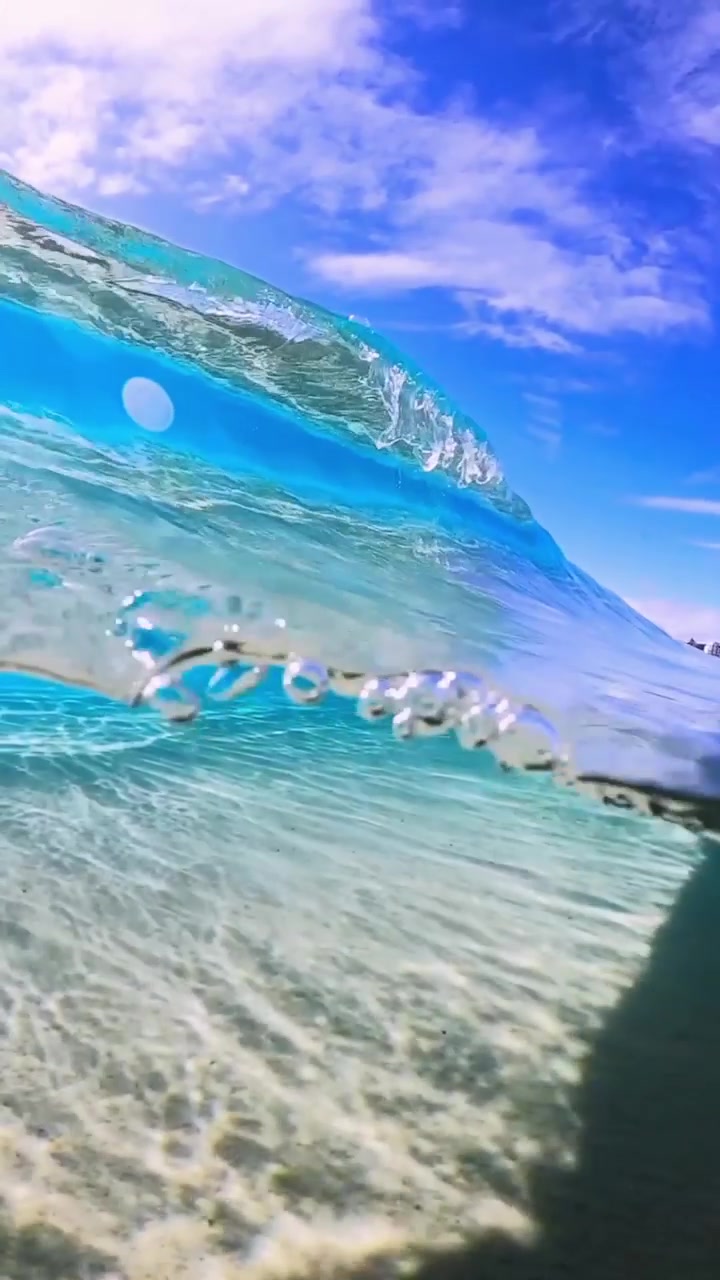
Ocean waves are a universal sight, but have you ever seen one from beneath the surface? Viewed from underwater, a wave is a mesmerizing display of water physics. The sheer power of the ocean reveals itself in the movement and the interaction of water with the seabed.
What Is an Underwater Wave?
The focus under the surface captures the dynamic of a wave's movement and its interaction with the sand, providing insight into the forces driving ocean dynamics, the importance of seafloor shape, and the rise and fall of water. An underwater wave is not a quiet, slow-buildup experience like looking at waves from shore. This is a close-up of physics in action, where the water’s motion propels the wave forward, creating complex patterns as it crests and breaks. The primary difference between seeing a wave from the surface and seeing one underwater is the angle of view. Even though the shots are short, they show how below the wave, you can see the water bubble up towards the surface. There are flow patterns beneath the surface that are not visible from above, including the turbulent backwash created by the wave cresting. This turbulence as it recedes can create sand movement and sediment suspension that influences seafloor structures and can be seen in the creation of smaller eddies and disturbances on the seabed. The underwater view of the waves gives us a glimpse into the energy and interaction between different parts of the ocean.
The Science of Ocean Waves
Waves are the primary mover for coastal processes, influencing the entire beach ecosystem. Understanding the dynamics of water movement is essential to coastal conservation efforts, which involves understanding how waves shape the seabed. Waves are also the most critical source of energy for driving algal and seagrass growth, while also being a critical source of mixing that distributes nutrients and oxygen. Positioning a camera beneath the wave offers a more dynamic understanding of what's happening to the ocean and the movement of the wave. Understanding elements like the sediment suspension has implications for water clarity, processes such as sediment transport, and the habitats of benthic organisms. Even though waves can cause problems for beaches and coastal communities, understanding more about their behaviour is a key to preserving the coast.
How the Wave Falls Back
From the underwater perspective, the wave creates a significant force of backwash, making it difficult to swim against the force, even if a person is caught much closer to the seafloor. Even an underwash can be seen from below, as the wave crests and begins to break, creating a turbulence ahead of the wave forming a backwash that works against water movement. This movement clearly shows the amount of energy involved in the wave’s motion. To the average person, the energy of turbulence is a fascinating observation of the wave dynamics interacting with the water and the seabed. As the wave rolls back after reaching its height, it shows that water movement is not a simple linear movement back to sea. Instead, it creates a swirling of resulting back and forward motion that leaves behind a series of wave-shaped density changes.
The Interplay Between the Wave and the Seafloor
When the wave hits the seafloor it interacts with the sand as the wave moves through the water, creating ridges that show the push and pull of the sediment that reinforces the movement of the seafloor. This process can be a good indicator of what’s happening to the sea floor. One reason the interaction is so pronounced is that the sediment here is relatively coarse. The finer sediment might have a muted pattern because the sediment does not break apart and recirculate as easily. The shape of the seabed and the position of the wave will influence the interaction being captured. The crest and the fall are different at different erosive zones. The rapid change in movement is clearly visible, creating a swirling and changing of the underwater currents.
How to Observe Underwater Waves
Underwater waves can be seen in slow motion and fast motion, and it depends on the wave intensity. It depends on how close to the beach you are at the time of viewing and the particular seafloor geomorphology. The shallow water creates a clearer view of the wave dynamics. For those looking to explore this unique perspective:
- Beach Location: Choose a beach with a stable seafloor that doesn’t narrow too quickly. Beaches with a broad, shallow area before a drop-off in depth are excellent sites for observing underwater wave dynamics.
- Tide Timing: Avoid high tide to have a better perspective.
- Wear snorkeling gear: If you don’t have snorkeling gear, check rental options at local shops. Ask if you can rent, wear, and practice your gear a little before you go.
In A Contemplative Moment
Underwater waves are more than just a visual spectacle; they are a window into the complex and dynamic nature of ocean currents, sediment interaction, and coastal processes. With new equipment and a curiosity to explore deeper, the underwater wave provides a sometimes-overlooked window into how the ocean moves and transports sediment. Take the time to gaze into this dynamic, and a new appreciation for the complexity of the waves will result.
Questions readers ask
What exactly is the turbulent backwash mentioned in the article, and why is it important?
The turbulent backwash is the turbulent flow of water that moves back towards the shore after a wave breaks. It's important because it can cause significant changes to the seafloor, such as sand movement and sediment suspension, which in turn can influence the habitats of benthic organisms.
How does the underwater view of a wave differ from the surface view?
Underwater, you get a close-up view of the wave's motion and its interaction with the seabed, revealing complex flow patterns and turbulence that are not visible from the surface. You can see the water bubble up towards the surface and the creation of smaller eddies and disturbances on the seabed.
How does understanding underwater wave dynamics help in coastal conservation?
Understanding underwater wave dynamics is crucial for coastal conservation because it helps explain how waves shape the seabed and influence coastal ecosystems. This knowledge can inform efforts to protect and preserve beaches and coastal communities by understanding the forces driving ocean dynamics.
What role do waves play in the growth of marine vegetation?
Waves are a primary source of energy for driving algal and seagrass growth. They also facilitate the mixing of nutrients and oxygen in the water, which are essential for the health of marine vegetation and overall ocean health.
Can the underwater wave dynamics be observed by swimmers or divers, or is specialized equipment required?
While swimmers or divers might observe some underwater wave dynamics, specialized equipment like underwater cameras can provide a more detailed and dynamic understanding of what's happening beneath the surface. This equipment can capture the complex patterns and turbulence that are crucial for scientific study.
How does the wave's backwash affect the movement of water and sediment?
The wave's backwash creates a significant force that moves water and sediment back towards the shore. This movement is not linear but involves a swirling of resulting back and forward motion, which can create disturbances on the seabed and influence the habitats of benthic organisms.
What are the implications of sediment suspension caused by wave dynamics?
Sediment suspension caused by wave dynamics can have several implications, including changes to water clarity, processes such as sediment transport, and the habitats of benthic organisms. Understanding these dynamics is crucial for maintaining the health of coastal ecosystems and the overall marine environment.
Related deep dives
Similar reads based on topic and creator.



Recent articles
Fresh deep dives from the latest Reels we unpacked.



Comments
Be the first to comment.