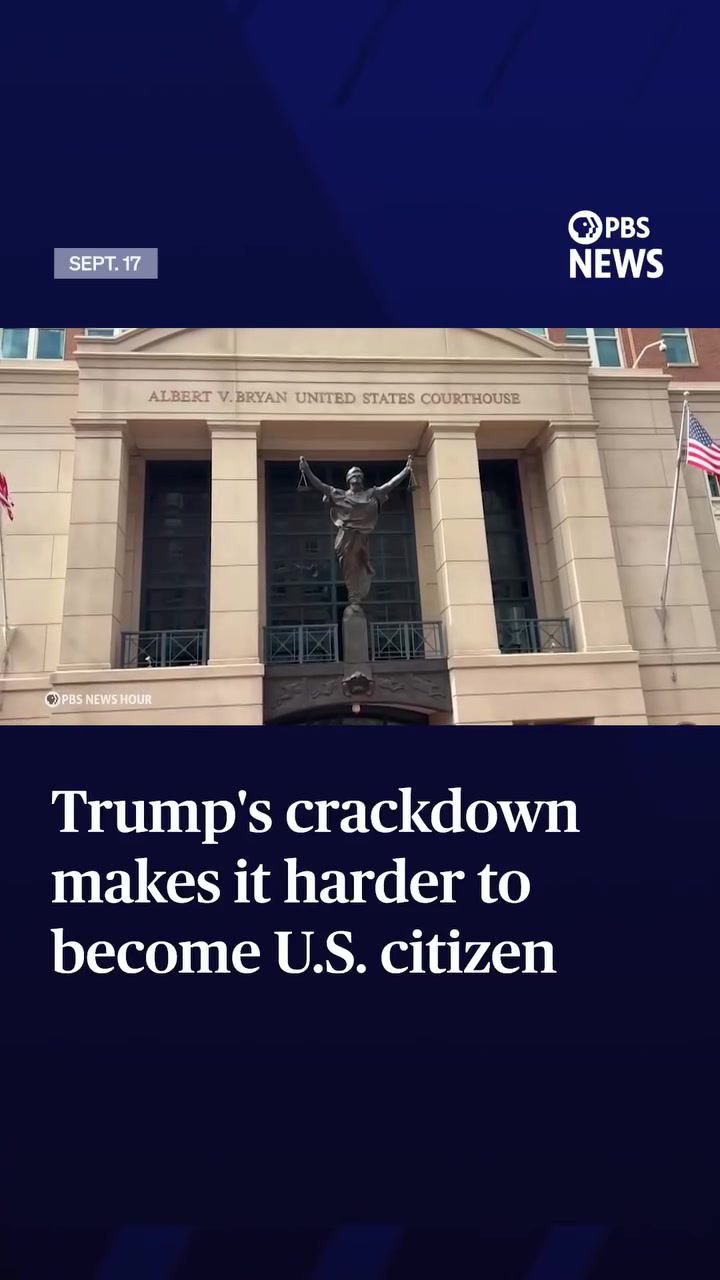
The Citizenship Climber
In a stuffy federal courthouse in Alexandria, Virginia, 60 people stood. They had traversed years, dollars, and bureaucracies and arrived before a judge, ready to complete the final leg of their journey to U.S. citizenship. That journey involves navigating a long and rigorous process, and recent changes have made it even more challenging. The path to naturalization starts with obtaining a green card, which can take years. Then comes the application process, complete with fees, interviews, English and civics tests, and ongoing nervous anticipation.
U.S. Citizenship: A Test of Persistence
The citizenship journey begins with a green card and culminates with a swearing-in ceremony, but the steps in between are grueling. For most applicants, the process kicks off with years of waiting for a green card. Then there are the fees, applications, interviews, and tests. The civics test, in particular, can be daunting. It requires applicants to study hundreds of potential questions, and the stakes are high. A mistake could mean starting the entire process over again. This process was already rigorous, but recently it has become even more so. The Trump administration introduced a harder civics test, with more questions and a higher passing threshold. They also implemented stricter social media vetting and proposed raising the application fee by 75 percent to nearly $1,300. Additionally, the government is processing fewer naturalization applications today than during the Biden administration, a 75 percent drop off compared to two years ago. And the rejection rate for naturalization has more than doubled since September 2024, from 9.2 percent to more than 18 percent.
Courthouse Hurdles
The obstacles to citizenship don't end with the application process. Since President Trump returned to office, U.S. Citizenship and Immigration Services has been abruptly canceling naturalization ceremonies, often at the last minute. Recently, for example, a scheduled ceremony in Alexandria had to be abruptly canceled just the night before. Immigration officials claim these changes are necessary to tighten a system that has become too lax. In a statement to PBS News, U.S. Citizenship and Immigration Services said: "We have implemented reforms to ensure U.S. citizenship is reserved for those who qualify, adding that USCIS will not take shortcuts in the naturalization process. Naturalization is a privilege, not a right."
The Human Toll
The bureaucratic hurdles take a toll on applicants. Lucio Arrivalo, a green card holder since 1998, has been through the ringer. He's currently awaiting his interview date and trying to prepare for the civics test, with help from an online volunteer. "It's been a really fun process to not only go through the test," said Dana Van Ostrand, Arrivalo's volunteer tutor, "but also just hear of Lucio's life and what he's been about." But the stress and uncertainty are real. Arrivalo hopes that obtaining citizenship will relieve his fear of deportation under Trump's administration. "It would be such a big relief," he said.
The Welcome initiative
One bright spot in the process is Welcome.us. A national initiative that emerged after the U.S. withdrawal from Afghanistan, Welcome.us aims to help newcomers navigate the complex immigration system. The organization pairs volunteers with applicants to help them prepare for the civics test and offers other forms of support. Nazanine Nash, the CEO and co-founder of Welcome.us, emphasized the importance of welcoming newcomers to the U.S. "It's a process that's rigorous and has always been rigorous, and it's appropriately rigorous," she said. "That no one takes lightly, least of all the aspiring Americans who are pursuing their dreams."
Finding Community
A final parting message by Judge William Fitzpatrick to aspiring American Citizens "What I ask of you is to keep working hard... to give life, to give meaning to the oath that you took today by making your voice heard. By making sure that government, your government, reflects your values and your vision, from what America can be."
The Path Forward
The citizenship process is challenging, but for those who make it through, the reward is immense. As the gavel falls in the courthouse, a new American life begins. Unfortunately, the path to citizenship has become even more difficult in recent years. The Trump administration's policies have made the process more rigorous, and the human toll is real. But initiatives like Welcome.us offer hope, and for those who make it through, the reward is immense.
Questions readers ask
What are the key steps involved in the U.S. naturalization process?
The process begins with obtaining a green card, which can take years. After that, applicants must navigate a series of steps including submitting applications, paying fees, and undergoing interviews and tests in English and civics. The final step is a swearing-in ceremony.
Why has the U.S. naturalization process become more challenging recently?
Recent changes, such as stricter vetting, longer wait times, and increased fees, have made the process more difficult. The Trump administration also introduced a more challenging civics test, and the rejection rate for naturalization has more than doubled since September 2024.
What is the civics test like, and why is it so important?
The civics test requires applicants to study hundreds of potential questions. It's crucial because a mistake can mean starting the entire naturalization process over again. The test was made even more difficult by the Trump administration, with more questions and a higher passing threshold.
What happens if a naturalization ceremony is canceled at the last minute?
Cancelations can be very disruptive, as applicants have to reschedule and continue waiting. The Trump administration has implemented reforms that have led to more frequent cancellations, citing the need to tighten the system and ensure that citizenship is reserved for qualified applicants.
How does the Welcome.us initiative help immigrants?
Welcome.us is a national initiative that provides support to immigrants navigating the naturalization process. Although the article does not provide details, it is mentioned as a bright spot in the otherwise challenging journey to citizenship.
What is the current rejection rate for naturalization applications?
The rejection rate for naturalization applications has more than doubled since September 2024, from 9.2 percent to over 18 percent. This increase reflects the stricter vetting and higher standards implemented in recent years.
How do the recent changes in the naturalization process affect immigrants like Lucio Arrivalo?
Immigrants like Lucio Arrivalo face significant stress and uncertainty due to the increased challenges in the naturalization process. The fear of deportation and the daunting task of preparing for the civics test add to the emotional toll, making the journey to citizenship even more arduous.
Recent articles
Fresh deep dives from the latest Reels we unpacked.


Comments
Be the first to comment.