How the Press’s Limits are Tested by Trump
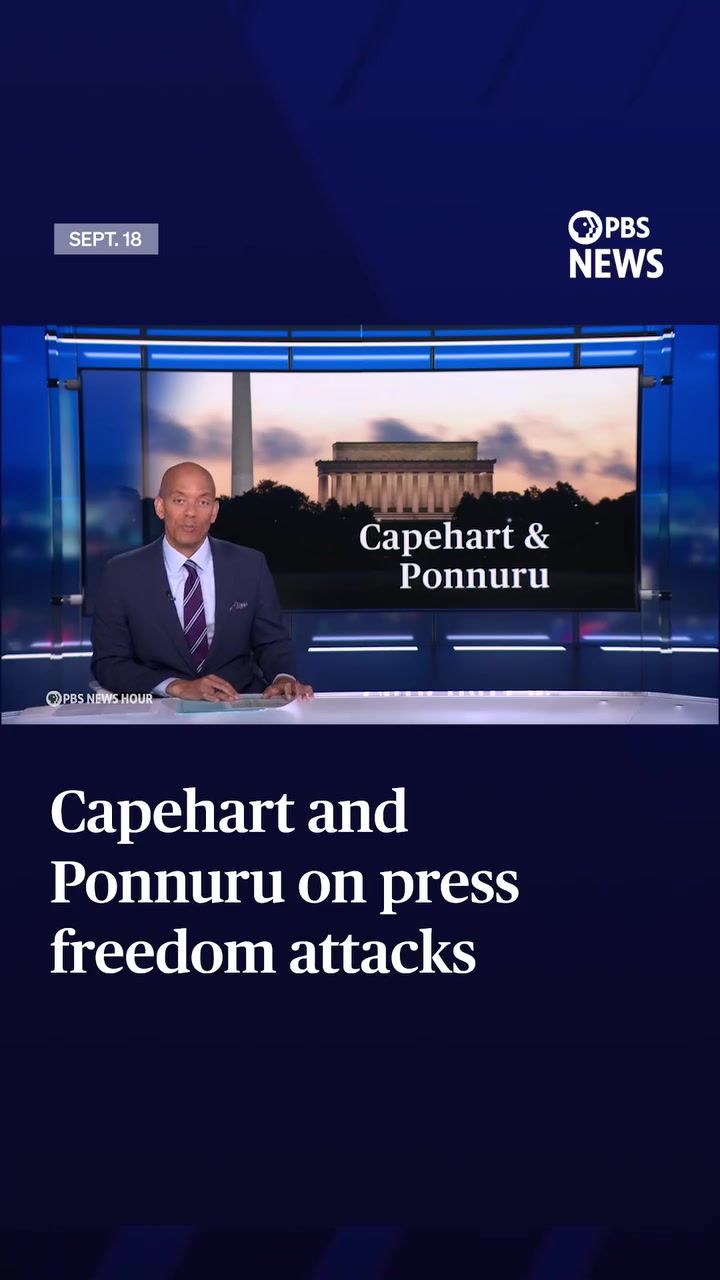
The GOP finds itself in a bit of a pickle, and Trump is right in the middle of it, according to a recent PBS NewsHour segment featuring Jonathan Capehart and Ramesh Panuru. This is not a simple story about Republicans—but about Trump's sustained attempts to push the boundaries of press freedom. Trump announced that he was banning MS Now, CNN, and Politico from the White House, only to find these outlets and their journalists standing their ground.
Targeting the Messengers
Jonathan Capehart, of MS Now, said, “This is not a story about us at MS Now. It's not a story about CNN. It's not a story about Politico.” Instead, he argues, the real issue at hand is Trump's ongoing effort to suppress the freedom of the press. Capehart emphasized the importance of the media’s role, stating that it must “report the news, report it in real time, and to hold power accountable” regardless of who's in the Oval Office. Critics and press advocates alike worry about the precedent of the government deciding who gets to cover it and from where.
Historic Context
The issue of press freedom and government censorship is not new. Yet, Trump is a stark change from his predecessors. Previous presidents have certainly disliked parts of what the press had to say—but they haven’t pushed the limits of the First Amendment to the extent Trump has. Trump has a history of criticizing the press and even suggested revoking broadcast licenses, which raises concerns about the government’s influence over media outlets. It's not just Trump's words that worry press advocates. Trump has also targeted individual outlets, banning them from covering his administration. This sort of ban could stifle the free flow of information by limiting press access to the sources that the public needs to stay informed.
The Trump Playbook
Trump’s tactics aren’t subtle. He has openly called for the revocation of broadcast licenses, with the intention of targeting outlets that report information he disagrees with. “The whole point of a First Amendment is the government does not get to officially decide what's true and what's false,” Capehart declared, highlighting the dangerous road Trump is paving with his actions. There is a growing concern that Trump’s actions could set a dangerous precedent, where future presidents might use similar tactics to limit press freedom. This sort of restriction on the press could also create a culture of self-censorship, where journalists are afraid to report critically on the administration for fear of being targeted.
A Republican Rebellion
Trump’s actions have had an unexpected ripple effect within his own party. Republicans who once supported Trump’s hardline policies are now speaking out, such as Maria Salazar, a Republican congresswoman from Florida who publicly condemned Trump's immigration policies. Salazar’s ad, released just weeks before the midterm elections, is a clear signal of Republican discontent with Trump. Salazar’s ad, recorded in front of the White House, is a bold move that underscores the growing divide within the GOP. She argues that Trump’s immigration enforcement efforts have gone too far, citing that 50% of the 50,000 people detained in July had no criminal records. Salazar’s criticism highlights the frustration among some Republicans who feel that Trump’s policies have betrayed the very voters who helped him win the White House.
Channeling the Public’s Sentiments
Marija Salazar of Florida did not hold back when she put it simply: “Mr. President, some of your immigration enforcement efforts have gone too far.” Her ad, recorded in front of the White House, is a clear signal of Republican discontent and a warning that the party’s base is unsatisfied. Salazar’s ad, which aired just weeks before the midterms, is a direct and public challenge to Trump and highlights the frustration of a voting bloc that once supported him. The public’s sentiment says it all. This election, some Republican voters feel betrayed by the president. Immigrant communities, especially Hispanics, have grown disillusioned as they watch Trump’s administration implement policies that they believe have gone too far. Salazar’s ad is a stark reminder that the public is closely watching and is not afraid to hold their representatives accountable. Salazar's brave stance speaks to the growing unrest within the party, highlighting the fact that Trump’s policies are losing support, even among his most loyal base.
Deep Dive into the GOP’s Troubles
Trump’s actions have not only alienated some of his own base but have also created internal divisions within his party. This is evident in the recent comments made by Republican Senator Ted Cruz, who publicly criticized Trump’s immigration policies. Cruz’s comments are a clear sign that even some of Trump’s most loyal supporters are beginning to question his leadership. The growing unrest within the GOP highlights the challenges Trump faces as he navigates the complex political landscape leading up to the midterm elections.
Risk of Losing Latino Voters
Trump’s unyielding stance on immigration has had a profound impact on Latino voters. As Trump campaigned in 2016, Latino voters presented a critical base of support. His hardline policies on immigration, however, have cost him that base. This sentiment echoes the concerns of Republicans that the GOP is losing its footing with Latino voters, a demographic that has traditionally supported the party.
The Party Loyalty Debate
The Republican Party faces an identity crisis, and the actions of its members, both within and outside of elected office, reveal a split that could have lasting consequences. With the midterm elections approaching, there is a growing sense of unease within the GOP. This unease is evident in the ad aired by Florida Representative Maria Salazar. Salazar’s ad, recorded in front of the White House, is a clear signal of Republican discontent and a warning that the party’s base is unsatisfied. The fact that Salazar, who represents a district that Trump won by a comfortable margin, is publicly criticizing the president is a stark indicator of the shifting political landscape.
Solidarity in the Future
The Republican Party has long been known for its conservative values, but recent events have led to questions about how those values will be upheld in the future. It all comes down to how the party handles the challenges it faces in the current political climate. Republicans have a chance to push back against Trump’s divisive rhetoric. Ramesh Panuru, editor of The National Review, laid it out, “The Republican Party has a history of welcoming diverse voters, and it is crucial that it continues to do so.” As Trump continues to push the limits of the First Amendment, the Republican Party must decide whether it will stand with him or fight for the principles that have traditionally defined it. This pivotal moment offers the opportunity for Republicans to reclaim what has long been a core part of their identity.
Questions readers ask
What specific actions did Trump take to try to limit press freedom during his time in office?
Trump attempted to ban CNN, MSNBC, and Politico from the White House, which would have limited their access to the administration and its events. He also openly called for the revocation of broadcast licenses for outlets that reported information he disagreed with, raising concerns about government influence over media outlets.
How did the press respond to Trump's attempts to restrict their access?
The press stood their ground. Outlets like MSNBC, CNN, and Politico continued to report the news and hold power accountable, emphasizing the importance of a free press in a democracy. Their refusal to back down highlighted the significance of press freedom and the role of the media in informing the public.
What are the potential long-term effects of Trump's actions on press freedom?
The long-term effects could be significant. Trump’s actions could set a dangerous precedent for future administrations, potentially leading to a culture of self-censorship among journalists who fear being targeted for critical reporting. This could ultimately limit the flow of information to the public, compromising the role of the media in a democratic society.
How did Trump's approach to the press compare to that of his predecessors?
Unlike previous presidents who might have disliked certain press coverage but didn’t push the limits of the First Amendment, Trump actively sought to revoke broadcast licenses and ban outlets from covering his administration. This aggressive approach raised serious concerns about the extent to which a president could influence and restrict press freedom.
What role do Republicans play in the ongoing debate over Trump's press freedom attacks?
Some Republicans, such as Congresswoman Maria Salazar, have publicly condemned Trump’s policies, including his immigration enforcement efforts. This growing divide within the GOP suggests that some Republicans are increasingly uncomfortable with Trump’s hardline tactics, which could influence the broader debate on press freedom and government overreach.
What is the significance of the historic context in understanding Trump's attacks on the press?
The issue of press freedom and government censorship has been a recurring theme in American history. Trump’s actions stand out because of their unprecedented nature and the direct threat they pose to the First Amendment. Understanding this historic context helps to highlight the gravity of Trump’s efforts to restrict press freedom and the potential long-term implications for the media and democracy.
How did the press advocate for their role in a democracy during Trump's presidency?
The press, including outlets like MSNBC, CNN, and Politico, emphasized their role in reporting news in real time and holding power accountable, regardless of who is in the Oval Office. By standing firm against Trump’s attempts to ban them, the press reaffirmed the importance of a free and independent media in a democratic society.
Related deep dives
Similar reads based on topic and creator.
Recent articles
Fresh deep dives from the latest Reels we unpacked.

Comments
Be the first to comment.